
1. Empty Nose Syndrome: What is it and how does it affect breathing
It should be easy to breathe. We shouldn’t even have to worry about breathing from one moment to the next. When it comes to empty nose syndrome surgery however, even something as basic as breathing can be a challenge. Most ENS cases develop following nasal surgery, usually when too much turbinate tissue is removed.
Your nasal turbinates warm, moisten and direct airflow. Removing excessive tissue can result in an excessively open nose, but you can still be congested or suffocated. It may sound confusing, but that’s the reason. You may have dryness, burning, crusting, headaches, and the sensation of airflow. Some sufferers have reported anxiety and an inability to sleep. We’re here to help you identify these symptoms so you can receive proper treatment.
2. What are the Causes of Empty Nose Syndrome after Nasal Surgery?
Empty Nose Syndrome is often linked with turbinate reduction or removal. Such procedures are conducted in an attempt to increase airflow for those suffering from chronic nasal blockage. Removal of too much tissue, though, can alter the shape and function of the nasal cavity.
Beyond taking up space, the turbinates serve as guides for airflow and moisture retention within the nose. Expansion or shrinkage in the turbinates alters airflow and sensations in the nose. This can make some patients feel as though they are not breathing if the openings in the nose seem broad.
Symptoms can begin as early as shortly after the operation or months or even years afterward. Not all patients who have a turbinate operation will develop ENS. ENS is infrequent, but it can significantly affect a patient’s daily comfort.
3. How Is ENS Diagnosed?
Because a variety of conditions can cause nasal symptoms, it’s critical to get the right diagnosis. Conditions that affect the nose or sinuses (sinus disease) that aren’t other than the common cold can include: – Nasal dryness – Allergies – Structural abnormalities – Sinusitis
Your ENT doctor will review your medical history and may order a CT Scan and look for anything significant in your past nasal surgeries and present problems. Nasal endoscopy can also be performed to take a look through your nasal cavity and note any structural deviations in your turbinate tissue.
Doctors will be able to measure symptoms with the Empty Nose Syndrome 6-Item Questionnaire (ENS6Q). Another test that may help is the cotton test. A specialist will insert cotton temporarily into a specific part of your nose – if doing so alleviates any symptoms, it can support a doctor trying to decide whether volume in that area could improve your health.
One test is never enough. Don’t treat based on a single test result. The whole clinical picture matters.
4. When Should You Consider Empty Nose Syndrome Surgery?
Some ENS patients will not require a second operation. In fact, conservative treatments are usually recommended before undergoing a second operation. Nasal moisturizers, saline sprays and ointments, and humidification may help make breathing easier and relieve irritation and dryness.
Though many have found relief using these approaches, there are some that continue to suffer with severe symptoms. This is the point at which empty nose syndrome surgery begins to be talked about.
Operations are usually performed to re-establish some volume to restore more natural airflow distribution. The specialist may also explore augmentation procedures with implants, or tissue implant surgery using cartilage, or other foreign synthetic materials.
The decision to operate must be tailored to the individual based on his or her individual anatomy, symptoms, previous treatments and test results. Surgery is never a “sure fix” and patients need to have a frank discussion of what might be gained, potential complications and the likelihood of persisting symptoms.
5. What Happens During Surgical Treatment?
The typical approaches to surgery for ENS include augmentation of tissue volume in certain parts of the nasal cavity and are known as inferior meatus augmentation or turbinate augmentation.
An implant may be inserted below the lining of the nose to decrease large open space and alter the breathing pattern. The implant type and location are determined on a case-by-case basis. Autologous cartilage harvested from the patient is used in some operations, and other implants are used in other operations.
Recovery may be different for each procedure. Swelling, pain, congestion, and nasal drainage may be temporarily experienced. Follow-up visits are recommended since the surgeon will need to monitor your healing process and to assess whether your symptoms are improving.
There are published positive results with some of the reconstructive techniques. However, the studies have limitations, including small numbers of patients or different surgical techniques. It is best to specifically ask about the surgeon’s experience with ENS rather than assuming that all nasal surgeons deal with this condition.
6. Can Sleep Problems Require Separate Treatment?
Sleeping becomes uncomfortable when breathing is compromised through the nose. Others may have a restless night, develop dry mouth and worse find it hard to get comfortable at night. But there is a big difference between a restless night’s sleep and a sleep disorder.
The sleeping pattern of apnea consists of repeated interrupters while sleeping. The cause of those interruptions is because the upper airway gets block completely or partially. The typical symptoms involve loud snoring, sleepy mornings, headache, tiredness during the day.
People with ENS might also have sleep apnea, but one is not necessarily an indication of the other. If you suspect you have a sleep disorder, a sleep study can be performed to determine if you are experiencing interruptions during sleep.
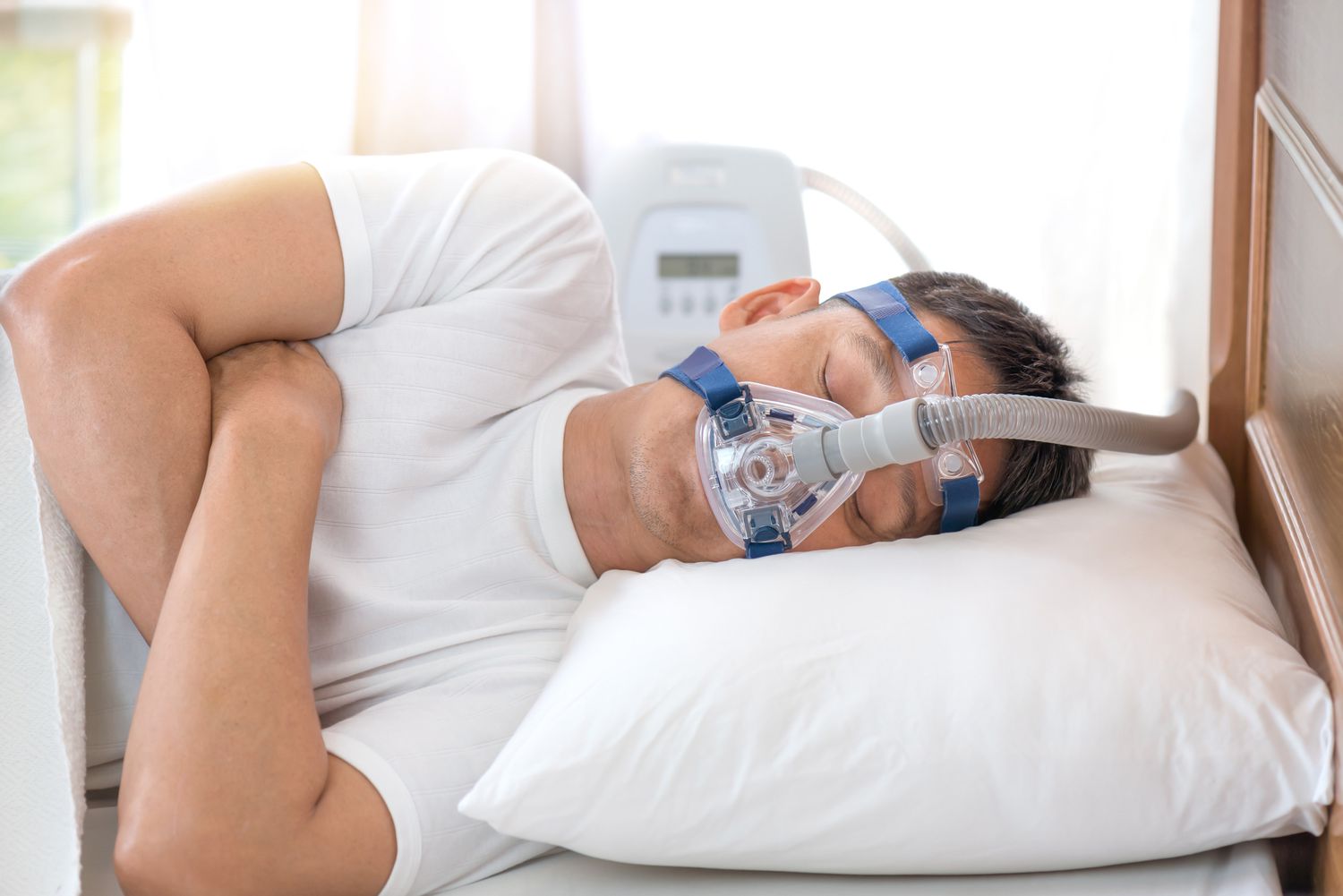
Treating Sleep Apnea Treatment options vary according to the type and severity of sleep apnea and may involve continuous positive airway pressure (CPAP) or other special devices, lifestyle changes or specific surgical procedures. CPAP is a treatment that delivers a flow of pressurized air to the patient to maintain an open airway during sleep. An oral device advances the lower jaw or tongue to prevent obstruction of the airway.
Addressing nasal congestion and sleep apnea are a connected issue, but need different evaluations. Clearing your nasal passages doesn’t always fix sleep apnea.
7. Selecting the appropriate specialist and planning for the long term
Selecting the best doctor makes a big difference in treatment. If you have ENS or show signs of nasal restriction, you should choose an ENT doctor who has performed experience reconstructing the nose and turbinate.
Prior to consent for another operation, inform the surgeon about your earlier operation and your present symptoms, available treatment plans, and possible outcomes. Inquire if other non-surgical techniques have been tried. A second opinion may be sought if another operation is being advised.
Some long-term care may be needed after surgery. For others, treatment may mean continued application of nasal moisturising, follow-up appointments, and support for anxiety or sleep problems. There is no ‘one size fits all’ treatment.
Good care involves a holistic approach and not just a measurement of the size of the nose openings. We want the patient to get clear information and honest hopes.
8. Conclusion: Making an Informed Decision About Breathing Health
Living with a constant sensation of a clogged, “stuffy” nose when you’ve had surgery in the past to try and improve breathing can be a real challenge. Empty Nose Syndrome is a difficult condition to treat, but if you get diagnosed properly and see an expert, you can get an idea of what to expect.
Empty nose syndrome surgery could benefit well-selected patients, particularly if conservative measures have not achieved adequate improvement. At the same time, those with breathing problems at night should be evaluated independently for the presence of a sleep disorder, which may be another aspect of overall health and well-being to be addressed through sleep apnea treatment.
First off, don’t jump right into doing another procedure. Find out the cause, get your options, and then consult experts who treat your symptoms seriously.
Frequently Asked Questions
1. What is the main purpose of empty nose syndrome surgery?
The main goal is to restore volume in selected areas of the nasal cavity and improve airflow distribution. It may also help reduce dryness and the sensation of insufficient airflow.
2. Can Empty Nose Syndrome develop years after nasal surgery?
Yes. Symptoms may appear weeks, months, or even years after turbinate reduction or other nasal procedures. A medical evaluation can help determine whether ENS is responsible.
3. Is surgery the only treatment for Empty Nose Syndrome?
No. Treatment may include saline sprays, nasal moisturizers, humidification, and other supportive approaches. Surgery is generally considered when symptoms remain troublesome despite conservative care.
4. Can Empty Nose Syndrome cause sleep problems?
It can contribute to uncomfortable sleep, frequent waking, and breathing-related distress. However, obstructive sleep apnea is a separate condition and requires appropriate testing.