
Have you noticed that your skin looks a little different than it did a few years ago? Fine lines may be more visible, your skin might feel less firm, and its texture can change with time. These are natural parts of aging, and collagen has a lot to do with them.
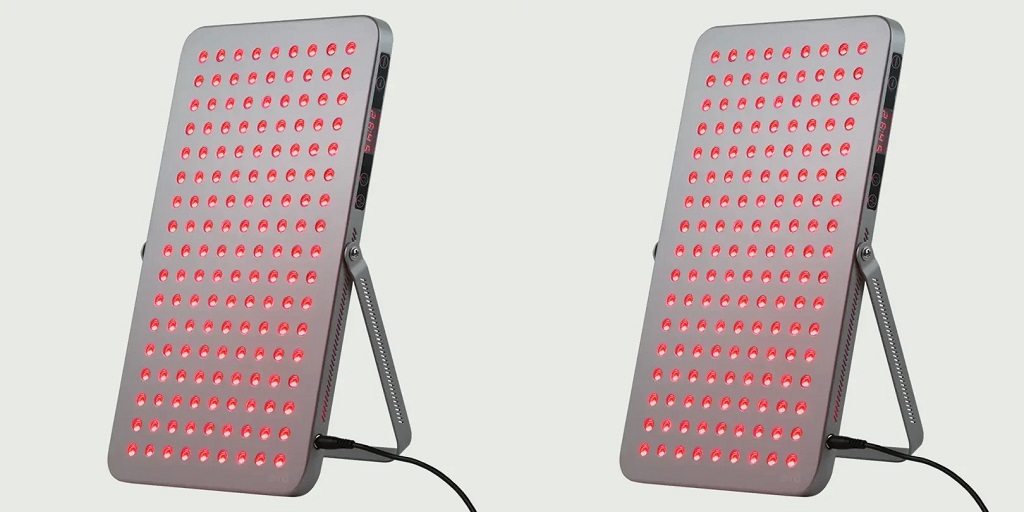
Collagen gives your skin structure and support. As your body produces less of it with age, these changes become easier to notice. Your daily habits also influence skin health, and different skincare technologies are earning attention for their potential benefits. Red light therapy panels, for example, have become a popular subject in research on skin rejuvenation.
What Collagen Does for Your Skin
Collagen is a protein that provides structure to different parts of your body, including your skin. It works alongside elastin to maintain firmness and help your skin keep its shape.
Your body constantly produces and breaks down collagen. During younger adulthood, these processes tend to remain balanced. As you age, production gradually slows, and existing collagen fibers become more fragmented.
You may notice the effects through fine lines, deeper wrinkles, and reduced skin firmness. These changes happen gradually, making them easier to spot when comparing your skin over several years.
Why Collagen Production Declines With Age
As you get older, the cells responsible for producing collagen, called fibroblasts, become less active. This affects your skin’s ability to maintain its supportive structure.
Hormonal changes also contribute. Declining estrogen levels during menopause, for example, are associated with reduced collagen content and changes in skin elasticity.
External factors can speed up collagen breakdown. Sun exposure is a major contributor because ultraviolet rays damage collagen fibers. Smoking and air pollution can also affect skin health, while genetics influence how these changes appear over time.
Everyday Habits That Support Skin Health
Although aging is natural, your daily routine affects your skin’s condition. Sun protection is especially important. Regular sunscreen use limits UV damage and helps preserve existing collagen.
Nutrition matters, too. Your body needs protein to produce collagen, while vitamin C supports its synthesis. Citrus fruits, strawberries, leafy greens, eggs, and fish provide nutrients that contribute to normal skin function.
Quality sleep and proper hydration also deserve attention. Moisturizers help maintain the skin barrier, while ingredients such as retinoids have been studied for their effects on fine lines and collagen production.
You don’t need an elaborate routine to care for your skin. Sticking to these basic habits provides a strong foundation.
How Red Light Therapy May Support Skin Health
Red light therapy has attracted attention as a non-invasive skincare option. It uses specific wavelengths of light to interact with cells, a process known as photobiomodulation.
Research suggests that red and near-infrared light may influence fibroblast activity and encourage processes associated with collagen production. Clinical studies have also explored improvements to skin texture, fine lines, and elasticity following light-based treatments.
Blue light has a different application. Studies have examined its effects on acne-causing bacteria on the skin’s surface, making it relevant for people concerned about breakouts.
Results depend on factors such as wavelength, intensity, and treatment duration. Researchers continue to investigate the best protocols and long-term effects. Red light therapy remains a valuable way to complement established skincare habits, including sun protection and proper hydration.
Discover New Ways to Care for Your Skin
Ready to discover new possibilities for your skincare routine? Visit re-nū Smart Beauty and discover a collection of innovative wellness solutions designed to support healthy-looking skin and everyday self-care.
For more information about Red Light Therapy Wand and Red Light Therapy Patches Please visit: Re-nū Smart Beauty.