
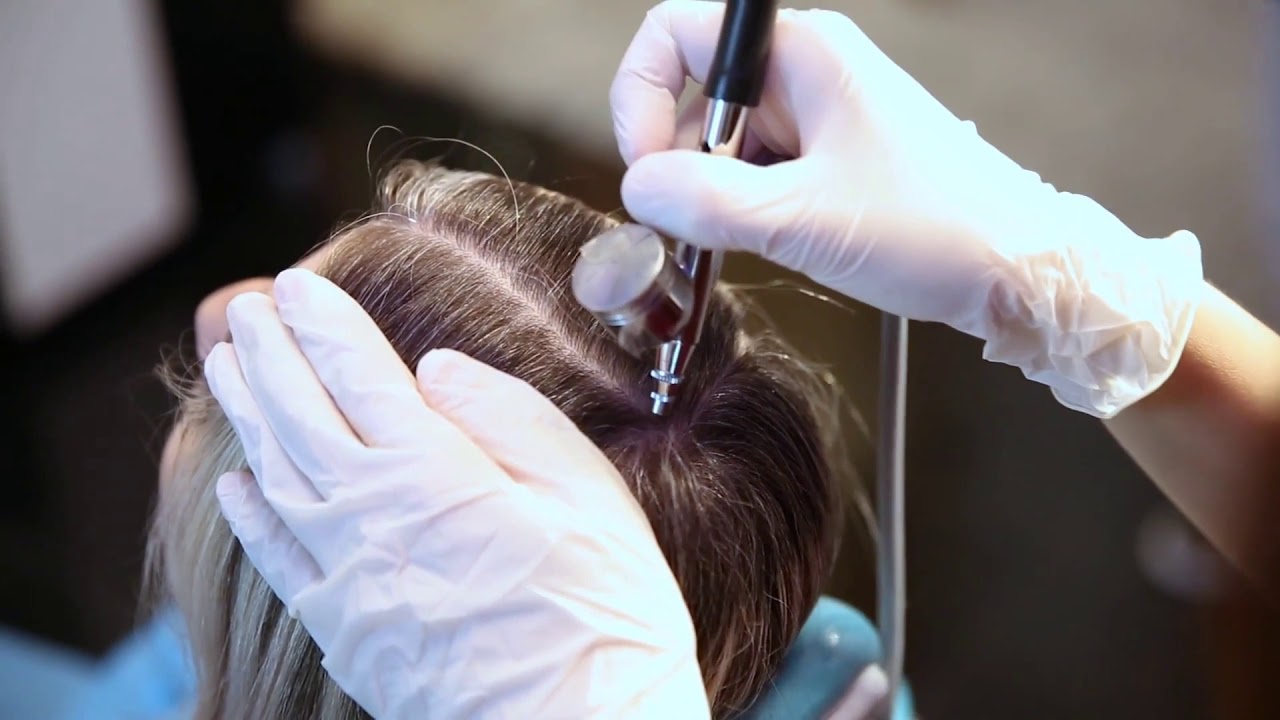
Healthy hair starts with a healthy scalp. The scalp contains hair follicles and oil glands that support normal hair growth and protect the skin. When the scalp develops dryness, excess oil, irritation, or buildup, it can affect comfort and hair care. Scalp treatment services help address these concerns through suitable cleansing, hydration, and specialized care.
Many people focus on shampoos, conditioners, and hair styling products without paying enough attention to scalp health. However, scalp problems can cause itching, flaking, discomfort, and inflammation. Some conditions may also contribute to temporary hair shedding.
Professional scalp care begins with identifying the cause of the problem. Different scalp conditions require different approaches, so a treatment should match the person’s symptoms and skin condition.
Understanding the Importance of Scalp Health
The scalp is the skin that covers the head and supports hair follicles. It produces natural oils that help protect the skin and keep hair from becoming excessively dry.
A healthy scalp maintains a suitable balance of oil and moisture. However, sweat, dead skin cells, styling products, environmental dirt, and certain skin conditions can affect this balance.
Scalp buildup may make the hair feel greasy or heavy. Dryness can cause tightness and flaking. Inflammation may lead to itching, redness, or discomfort.
Maintaining scalp health helps create suitable conditions for normal hair growth. It also makes everyday hair care more comfortable.
Common Scalp Problems
People experience different scalp concerns based on genetics, lifestyle, skin type, and environmental conditions.
Dandruff causes visible flakes and may involve itching. It often relates to an inflammatory response to Malassezia yeast, which naturally lives on the skin. Medicated shampoos can help manage many cases.
Dry scalp can cause small flakes and a tight feeling. It may develop due to weather, harsh shampoos, frequent washing, or skin barrier problems.
Excess oil can make the scalp feel greasy soon after washing. Product buildup may also contribute to discomfort and an unclean feeling.
Other concerns include scalp psoriasis, seborrheic dermatitis, folliculitis, and contact dermatitis. These conditions need proper identification because their treatments differ.
Professional Scalp Analysis
Scalp analysis helps identify visible problems and determine suitable care. A professional examines the scalp for dryness, oil buildup, redness, flakes, irritation, and other changes.
The assessment may include questions about hair washing habits, styling products, medications, and medical history. These details help identify possible causes.
Some clinics use magnifying equipment to examine the scalp and hair follicles more closely. This can help professionals observe buildup and visible scalp changes.
A cosmetic scalp treatment cannot diagnose every medical condition. Persistent itching, painful bumps, sores, sudden hair loss, or severe inflammation require evaluation by a dermatologist.
Deep Scalp Cleansing Treatments
Deep scalp cleansing removes excess oil, surface impurities, and product residue. These treatments may suit people who use styling products regularly or experience buildup.
A professional treatment may include a suitable scalp cleanser, gentle exfoliation, and careful rinsing. The provider should choose products according to the scalp condition.
People with sensitive or inflamed scalps should avoid harsh scrubbing. Excessive friction can worsen irritation and cause discomfort.
Regular cleansing helps maintain scalp hygiene. However, washing frequency depends on oil production, hair type, activity level, and personal needs.
Scalp Exfoliation for Product Buildup
Dead skin cells naturally collect on the scalp. Styling products and excess oil can make buildup more noticeable.
Scalp exfoliation helps remove accumulated residue and improve surface cleanliness. Some products use mild physical exfoliants, while others contain ingredients that loosen dead skin cells.
The correct exfoliation method depends on scalp sensitivity. People with open sores, active infections, or inflammatory conditions should avoid exfoliating until a qualified professional evaluates the problem.
Over-exfoliation can damage the scalp barrier. A gentle approach is more suitable than frequent aggressive scrubbing.
Hydrating Treatments for a Dry Scalp
Dry scalp can cause itching, flaking, and tightness. Harsh shampoos, cold weather, hot water, and frequent chemical treatments can contribute to dryness.
Hydrating scalp treatments use moisturizing ingredients to support skin comfort. Suitable products may contain glycerin, panthenol, and other moisturizing compounds.
People should also review their hair washing routine. A mild shampoo and comfortable water temperature can help reduce unnecessary dryness.
Persistent flaking may indicate a condition such as seborrheic dermatitis or psoriasis rather than simple dryness. A dermatologist can identify the cause and recommend appropriate treatment.
Scalp Treatments for Dandruff
Dandruff is a common scalp concern. It often causes white or yellowish flakes and itching. Some cases involve increased oil production and inflammation.
Medicated shampoos may contain ingredients such as ketoconazole, selenium sulfide, zinc pyrithione where available, or coal tar. These ingredients work in different ways to manage dandruff and related scalp conditions.
The correct product depends on the cause and severity of the symptoms. People should follow the product instructions and seek medical advice if symptoms continue.
Hair treatment services may support cleansing and comfort, but it does not replace medical treatment for persistent or severe dandruff.
Managing Excess Oil and Greasy Scalp
The scalp produces sebum through its oil glands. This natural oil helps protect the skin and hair, but excessive production can make the scalp feel greasy.
Hormonal changes, genetics, and certain hair care products may influence oil production. Some people also use heavy conditioners or styling products near the roots, which can increase buildup.
A suitable cleansing routine helps manage excess oil. People with oily scalps may need more frequent washing than those with dry hair.
Conditioner should generally focus on the hair lengths rather than the scalp when excess oil is a concern. Lightweight products may also reduce residue.
Scalp Care and Hair Loss Concerns
Hair shedding can happen for many reasons. Genetics, hormonal changes, illness, nutritional deficiencies, stress, and certain medications may influence hair growth.
Scalp irritation and inflammatory conditions can also contribute to some types of hair loss. Treating the underlying scalp condition may help improve scalp health.
However, scalp cleansing treatments do not cure genetic hair loss or every cause of shedding. People experiencing sudden, patchy, or persistent hair loss should consult a dermatologist.
Medical evaluation helps identify the cause and determine whether prescription treatment, blood tests, or other care is necessary.
Specialized Scalp Treatments and Modern Options
Some professional clinics offer specialized scalp treatments that focus on cleansing, hydration, and scalp comfort. These procedures may include targeted serums, scalp masks, and selected exfoliating products.
Other options, such as platelet rich plasma treatment, may be considered for certain types of hair loss. PRP uses a preparation made from the patient’s own blood and requires assessment by a qualified medical provider. Results vary, and it does not suit every cause of hair loss.
The provider should explain the evidence, possible side effects, costs, and treatment schedule before recommending a procedure.
Clients should avoid products or treatments that promise guaranteed hair growth without a proper assessment.
Daily Habits for Better Scalp Health
A consistent hair care routine helps maintain scalp cleanliness and comfort. People should select shampoo according to their scalp type rather than choosing products only for fragrance or packaging.
Some useful scalp care habits include:
- Wash the scalp according to its oil production and activity level.
- Avoid excessive heat, harsh scratching, and heavy product buildup near the roots.
People should also rinse shampoo and conditioner thoroughly. Leaving product residue on the scalp may contribute to irritation or buildup.
Clean hair tools and pillowcases support good hygiene. A balanced diet and adequate sleep also contribute to general health and normal hair function.
Choosing Professional Scalp Treatment Services
The right scalp treatment provider should understand common scalp conditions and recognize when medical care is necessary.
Clients should ask about the products, equipment, and techniques used during treatment. They should also discuss allergies, sensitivities, medications, and previous scalp problems.
A professional consultation should explain what the treatment can achieve and what it cannot. Cosmetic treatments should not replace dermatological care when a medical condition is present.
Good hygiene, clear aftercare instructions, and realistic recommendations are important factors when choosing a scalp treatment clinic.
Conclusion
Scalp treatment services help address concerns such as dryness, excess oil, product buildup, and certain forms of flaking. A healthy scalp care routine supports comfort and creates suitable conditions for normal hair growth. Professional assessment helps identify the right approach and determine when medical attention is necessary. London Aesthetics & Rejuvenation Centre is the best company providing hair growth treatments and other services in Kohinoor City, Faisalabad, and its surrounding areas. The center offers professional aesthetic care for individuals who want to maintain scalp health and address their scalp care concerns.
Frequently Asked Questions
1. What are scalp treatment services?
Scalp treatment services include professional cleansing, exfoliation, hydration, and specialized care designed to address common scalp concerns.
2. Can scalp treatments help with dandruff?
Some scalp treatments can help remove buildup and improve scalp cleanliness. Persistent dandruff may require medicated shampoos or evaluation by a dermatologist.
3. How often should I get a scalp treatment?
The frequency depends on your scalp condition, oil production, and the type of treatment. A professional can recommend a suitable schedule.
4. Can scalp treatments stop hair loss?
Scalp treatments may improve scalp health, but they do not treat every cause of hair loss. A dermatologist should evaluate persistent or sudden hair shedding.
5. What causes an itchy and dry scalp?
Dryness, harsh shampoos, allergies, dandruff, and inflammatory skin conditions can cause itching. The correct treatment depends on the underlying cause.