
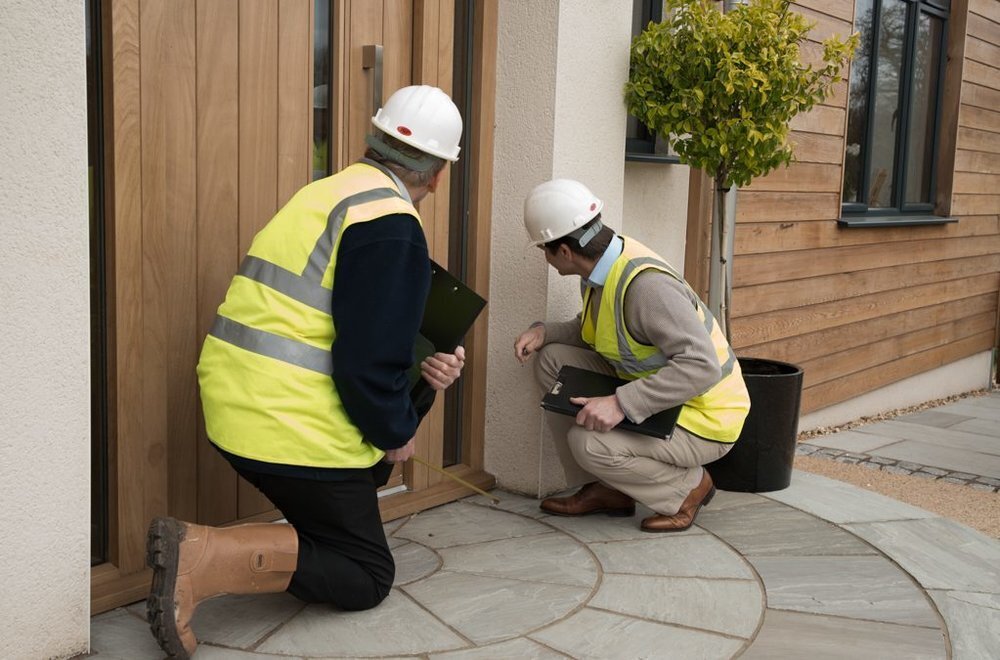
A property can have beautiful rooms, fresh paint, and modern features while still hiding problems that may cost thousands to repair. A damaged roof, leaking plumbing, faulty electrical components, or foundation concerns may not be obvious during a quick visit. Before buying, selling, or investing in a building, understanding its actual condition is an important step. A Real Estate Inspection service provides a closer look at accessible areas and major property systems, helping buyers and owners identify visible concerns and make informed decisions before committing to a transaction.
Why Property Inspections Matter
Real estate transactions involve significant financial responsibilities, so buyers need more information than a property’s appearance can provide. Even buildings that look well-maintained may have aging materials, moisture damage, or systems that need attention. An inspection helps identify visible defects and maintenance concerns before they become unexpected expenses. A Real Estate Inspection service can also help sellers understand the condition of their property before listing it. Having a clearer picture of the building makes it easier for both parties to discuss repairs, future maintenance, and other important details during the transaction.
What Is Included in a Property Inspection
A typical inspection covers accessible areas and major building components. Depending on the property and agreed inspection scope, this may include the roof, foundation, exterior walls, windows, doors, ceilings, floors, plumbing fixtures, electrical systems, and heating or cooling equipment. Inspectors look for visible damage, deterioration, and conditions that may affect the property’s function. A Real Estate Inspection service in Baltimore generally involves a visual assessment rather than opening walls or dismantling installed equipment. If an area cannot be accessed or a concern requires specialized testing, additional evaluation may be recommended.
Examining the Roof and Exterior Structure
The roof and exterior surfaces protect a building from rain, wind, sunlight, and changing weather conditions. Damaged shingles, loose flashing, clogged gutters, cracked siding, and poor drainage can allow moisture to enter the property. Inspectors may also review visible foundation areas for cracks, water stains, and signs of movement. These observations can help buyers understand whether certain exterior components need attention. A Real Estate Inspection service helps document visible problems and identify areas that may require repairs or further professional assessment. Regular maintenance of roofing and drainage systems can help prevent avoidable water damage.
Reviewing Plumbing and Electrical Components
Plumbing and electrical systems are important for the safe and comfortable use of any property. During an inspection, accessible pipes, drains, faucets, toilets, outlets, switches, and electrical panels may be reviewed for visible defects. Leaking connections, damaged fixtures, exposed wiring, and other warning signs may be documented. However, a general property inspection does not replace detailed testing by licensed electricians or plumbers. A Real Estate Inspection service can highlight concerns that deserve additional attention and help buyers understand when specialist evaluation may be necessary before completing a purchase.
Identifying Moisture and Indoor Air Concerns
Moisture can damage walls, ceilings, floors, insulation, and other building materials. Water stains, peeling paint, musty odors, condensation, and visible mold-like growth may indicate an underlying problem. Common causes include plumbing leaks, roof damage, poor ventilation, and water entering through exterior surfaces. Inspectors can document visible signs, but mold identification and indoor air quality measurements usually require separate testing. A Real Estate Inspection service helps property owners recognize possible moisture concerns and understand when further investigation is appropriate. Finding the source of the problem is important because covering visible damage may not prevent it from returning.
Understanding Structural Conditions
A building’s foundation and supporting structure play an important role in its stability. Visible cracks, uneven floors, sticking doors, and unusual gaps may indicate movement or other conditions that deserve attention. However, not every crack means there is a serious structural problem. Its location, size, pattern, and surrounding conditions all matter. A Real Estate Inspection service can document visible structural concerns and recommend further evaluation when necessary. A qualified structural professional may be needed to determine the cause and extent of significant damage and explain which repairs may be appropriate.
Why the Inspection Report Is Valuable
After the assessment, buyers and property owners usually receive a written report describing the findings. It may include photographs, observations, maintenance recommendations, and areas that require additional evaluation. Reading the report carefully helps people understand which issues need immediate attention and which can be monitored over time. A Real Estate Inspection service becomes more useful when the report explains observations in simple language. Buyers can discuss significant findings with sellers, while current owners can use the information to organize repairs and create a practical maintenance schedule.
When Should You Schedule an Inspection
Inspections are commonly arranged before purchasing a property, but they can also be useful before selling, renovating, or managing an existing building. Sellers may request an assessment to identify visible concerns before listing their property. Commercial property owners may also need inspections for offices, retail spaces, rental buildings, and other facilities. A Real Estate Inspection service should be arranged according to the building type and the reason for the assessment. Additional services, such as mold testing, air quality evaluation, or specialized structural reviews, may be needed when specific concerns are identified.
Protecting Your Property Investment
Understanding a building’s condition can help buyers and owners make practical decisions about repairs, maintenance, and future expenses. An inspection cannot guarantee that every hidden defect will be discovered, but it can provide useful information about visible problems and areas that deserve further attention. It also gives buyers a clearer basis for discussing property conditions before completing a transaction. Arranging a Real Estate Inspection service at the right time can reduce uncertainty and help prevent important concerns from being overlooked. With a clear report and suitable follow-up, property owners can take better care of their investment.