
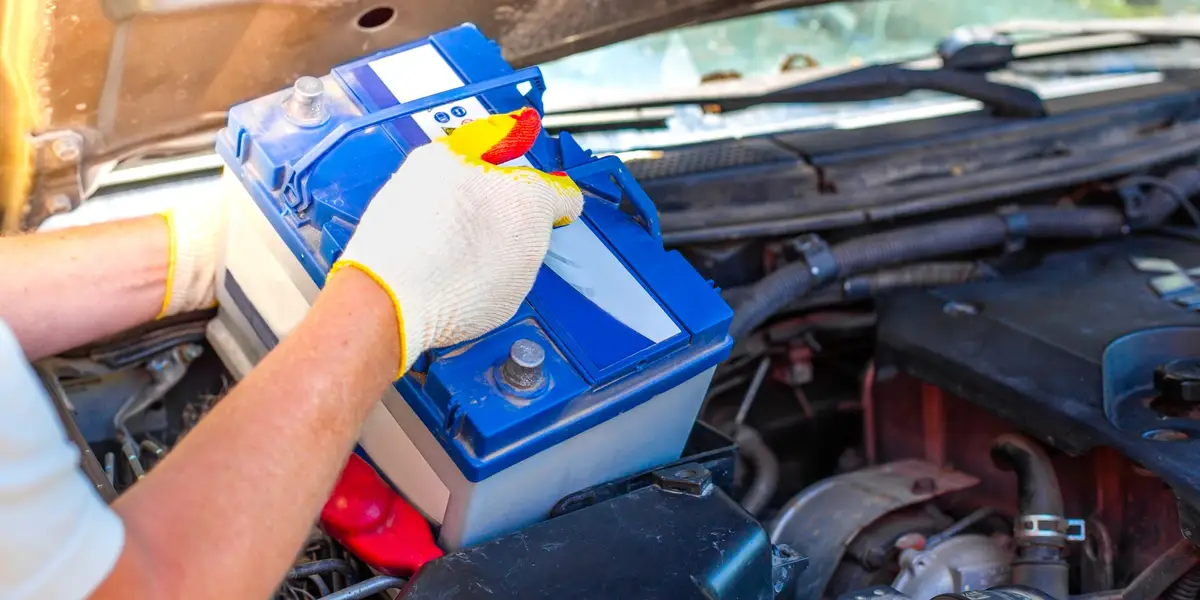
Few things are more frustrating than turning your car key and hearing nothing but a clicking sound. You may have plans to get to work, pick up your family, or travel somewhere important, but a weak battery can bring everything to a stop. Although some battery problems can be temporary, an old or damaged battery may no longer hold enough power to start the engine. Car Battery Replacement becomes necessary when testing shows that the battery has reached the end of its useful life. Understanding the warning signs and replacement process can help drivers avoid unexpected breakdowns.
Signs Your Car Battery Is Failing
A failing battery often gives several warning signs before it stops working completely. The engine may take longer to start, headlights may appear dim, and dashboard lights may flicker. Some vehicles display a battery warning light or show messages related to the electrical system. You may also notice that power windows and other electrical accessories operate more slowly than usual. Car Battery Replacement may be needed when these symptoms are caused by a weak battery rather than another electrical fault. Having the battery tested early can help prevent the inconvenience of becoming stranded.
Common Reasons Car Batteries Wear Out
Car batteries do not last forever. Repeated charging and discharging gradually reduce their ability to store electrical energy. High temperatures can speed up internal wear, while cold weather makes it harder for a weak battery to deliver enough power to start an engine. Leaving headlights or interior lights switched on can also drain the battery. Loose connections, corrosion, and problems with the alternator may contribute to repeated battery failure. Before arranging Car Battery Replacement in Baltimore, it is important to understand what caused the problem so the same issue does not damage the new battery.
Choosing the Right Battery for Your Vehicle
Not every car uses the same type or size of battery. Vehicles have different electrical requirements, terminal arrangements, dimensions, and power ratings. Some modern models also require advanced battery technology, such as AGM batteries, instead of conventional flooded batteries. Choosing an unsuitable option may affect vehicle performance or create installation problems. Car Battery Replacement should always involve checking the manufacturer’s recommendations and the vehicle’s specifications. The correct battery should fit securely and provide the required starting power for the vehicle’s electrical system.
Why Professional Battery Installation Matters
Installing a new battery involves more than removing the old unit and connecting another one. Incorrect terminal connections can damage electrical components, while poor installation may cause loose connections or charging problems. Some newer vehicles also require battery registration or electronic system resets after installation. Professional Car Battery Replacement helps ensure that the correct battery is fitted and connected according to the vehicle’s requirements. Proper handling is also important because car batteries contain chemicals and can produce hazardous gases under certain conditions.
Mobile Battery Replacement Services
A battery can fail when a vehicle is parked at home, outside an office, or in a public parking area. In these situations, driving to an auto parts store or repair shop may not be possible. Mobile battery assistance can bring a suitable replacement directly to the vehicle’s location. Car Battery Replacement through a mobile service can save time and reduce the need for towing when the battery is the only problem. Before requesting assistance, provide the vehicle’s make, model, year, and any available information about the existing battery.
What Happens During the Replacement Process?
The replacement process usually begins with checking the battery’s condition and testing the vehicle’s charging system. If the battery is confirmed to be faulty, the technician selects a compatible replacement and prepares the vehicle for installation. The old battery is disconnected carefully, removed, and replaced with the new unit. Car Battery Replacement should include checking the terminal connections, securing the battery, and confirming that the vehicle starts properly. The technician may also test the charging system to make sure the alternator is supplying the correct power.
Understanding Battery Costs and Quality
The price of a new car battery depends on its type, capacity, brand, warranty, and compatibility with the vehicle. Conventional batteries may cost less than advanced options designed for vehicles with start-stop technology or higher electrical demands. A lower purchase price does not always mean better value if the battery does not meet the manufacturer’s specifications. When comparing Car Battery Replacement options, consider the warranty period, manufacturing date, performance rating, and installation charges. Understanding these details helps drivers choose a battery that suits both their vehicle and their budget.
How to Make a New Battery Last Longer
Good maintenance habits can help extend battery life. Make sure all lights and electrical accessories are switched off before leaving the vehicle. Keep the battery terminals clean and check that the connections remain secure. Avoid leaving a vehicle unused for very long periods without considering its battery condition. If the car frequently struggles to start, have the battery and charging system inspected instead of repeatedly relying on jump-starts. After Car Battery Replacement, following the manufacturer’s maintenance recommendations can help protect the new battery and reduce the risk of another unexpected failure.
A dependable battery is essential for starting a vehicle and supporting its electrical systems. Ignoring warning signs can leave drivers stranded and may create problems during important journeys. Car Battery Replacement is a practical solution when testing confirms that an existing battery can no longer perform properly. By choosing the correct battery, arranging careful installation, and maintaining the vehicle’s charging system, drivers can reduce starting problems and keep their cars ready for everyday use.