
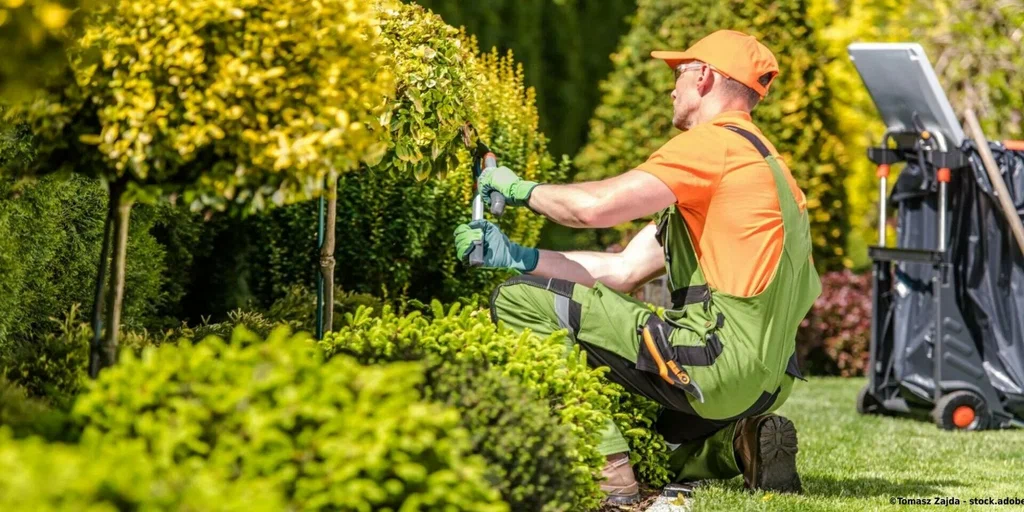
A beautiful yard should do more than look attractive. It should also support healthy plant growth, use natural resources wisely, and remain easy to maintain. Many homeowners want outdoor spaces that feel fresh and welcoming without requiring excessive water, chemicals, or constant upkeep. Green Landscaping offers a practical way to achieve these goals by combining suitable plants, healthy soil, efficient watering, and environmentally conscious design choices. Whether improving a small garden or redesigning a large property, thoughtful planning can create an outdoor environment that benefits both the home and the surrounding landscape.
Choosing Plants That Suit the Local Climate
Selecting the right plants is one of the most important steps in creating a sustainable yard. Plants that naturally grow well in the local climate generally need less extra care than varieties that struggle with local temperatures or rainfall. Native plants, drought-tolerant shrubs, and suitable ornamental grasses can help reduce unnecessary watering and maintenance. A Green Landscaping plan considers sunlight, soil conditions, seasonal weather, and available space before selecting plants. Choosing varieties that suit the environment can also support local pollinators and create a garden that remains healthy throughout the year.
Reducing Water Waste With Smart Irrigation
Water is essential for maintaining lawns, trees, and garden beds, but excessive watering can waste resources and damage plants. Smart irrigation methods help deliver water where it is needed instead of soaking every part of the yard unnecessarily. Drip irrigation can supply moisture directly to plant roots, while properly adjusted sprinkler systems can improve coverage. Green Landscaping in Albuquerque also encourages watering during cooler hours to reduce evaporation. Homeowners should consider soil type, plant requirements, and weather conditions when creating a watering schedule. These simple changes can help maintain healthy greenery while using water more carefully.
Improving Soil With Organic Materials
Healthy soil supports strong roots, better moisture retention, and steady plant growth. Instead of depending only on synthetic products, homeowners can improve soil conditions by adding compost, decomposed leaves, and other suitable organic materials. Compost adds organic matter and helps support beneficial soil organisms. Mulch can also protect the ground from excessive heat and reduce moisture loss. A thoughtful Green Landscaping approach focuses on building healthy soil rather than treating every plant problem with chemical products. Testing soil before adding amendments can help identify which improvements are actually needed.
Creating Natural Garden Areas With Trees and Shrubs
Trees and shrubs add structure, shade, and natural beauty to outdoor spaces. Strategically placed trees can help shade seating areas and parts of a home, while shrubs can create attractive boundaries around garden beds. Selecting plants with suitable mature sizes prevents overcrowding and reduces the need for frequent heavy pruning. Green Landscaping encourages homeowners to use a balanced mix of trees, shrubs, and smaller plants that work well together. Proper spacing allows sunlight and airflow to reach different sections of the garden, supporting healthier growth and making maintenance more manageable.
Replacing Excess Lawn With Useful Green Spaces
Large lawns can require frequent mowing, watering, and fertilizer applications. Although grass has its place in outdoor design, not every section of a property needs to remain covered with turf. Some areas can be improved with native ground covers, planting beds, shade gardens, or decorative stone features. A Green Landscaping design uses different outdoor elements to reduce unnecessary lawn maintenance while keeping the property attractive. Homeowners can preserve open grass areas for recreation and use other suitable plants in spaces that receive little activity.
Supporting Birds, Bees, and Other Beneficial Wildlife
A well-planned garden can provide food and shelter for birds, butterflies, bees, and other beneficial wildlife. Flowering plants with accessible nectar and pollen can attract pollinators, while native shrubs may provide nesting areas and natural shelter. Avoiding unnecessary pesticide use can also protect helpful insects. Green Landscaping considers how plant selection and garden design affect the surrounding ecosystem. Adding a variety of flowering plants that bloom during different seasons can provide a more consistent food source and make the outdoor space more active and enjoyable.
Using Sustainable Materials for Outdoor Features
Walkways, garden borders, patios, and seating areas can all be created with materials chosen for their durability and environmental impact. Reclaimed bricks, locally sourced stone, recycled materials, and permeable paving may be suitable options depending on the project. Permeable surfaces allow rainwater to enter the ground instead of sending all of it toward drainage systems. Green Landscaping combines practical materials with natural features to create outdoor spaces that look connected and work efficiently. Choosing durable materials can also reduce the need for frequent replacement and unnecessary waste.
Managing Rainwater and Preventing Soil Erosion
Rainwater that flows across a property without proper direction can wash away soil, damage garden beds, and collect near buildings. Rain gardens, suitable grading, and planted drainage channels can help manage water while adding natural features to the landscape. Deep-rooted plants may also help hold soil in place on slopes and exposed areas. Effective Green Landscaping takes the property’s natural slope and drainage patterns into account before installing new features. Managing rainwater carefully can protect plants, reduce erosion, and support healthier soil conditions.
Maintaining a Sustainable Landscape Over Time
Even environmentally conscious gardens need regular maintenance. Plants may require pruning, weeds need attention, and irrigation systems should be checked for leaks or poor coverage. Fallen leaves and suitable garden waste can be composted instead of being discarded. Choosing plants that match the available maintenance time can also prevent unnecessary work. Green Landscaping is most effective when sustainable practices become part of the regular care routine. Small habits, such as using compost, reducing water waste, and avoiding unnecessary chemical treatments, can make a meaningful difference over time.
Creating a beautiful outdoor space does not have to mean using large amounts of water, fertilizer, or maintenance resources. Suitable plants, healthy soil, efficient irrigation, sustainable materials, and thoughtful drainage can all contribute to a more environmentally responsible garden. With Green Landscaping, homeowners can create yards that look attractive while making better use of natural resources. A carefully planned landscape can support local wildlife, improve outdoor comfort, and remain practical for everyday use throughout the changing seasons.