
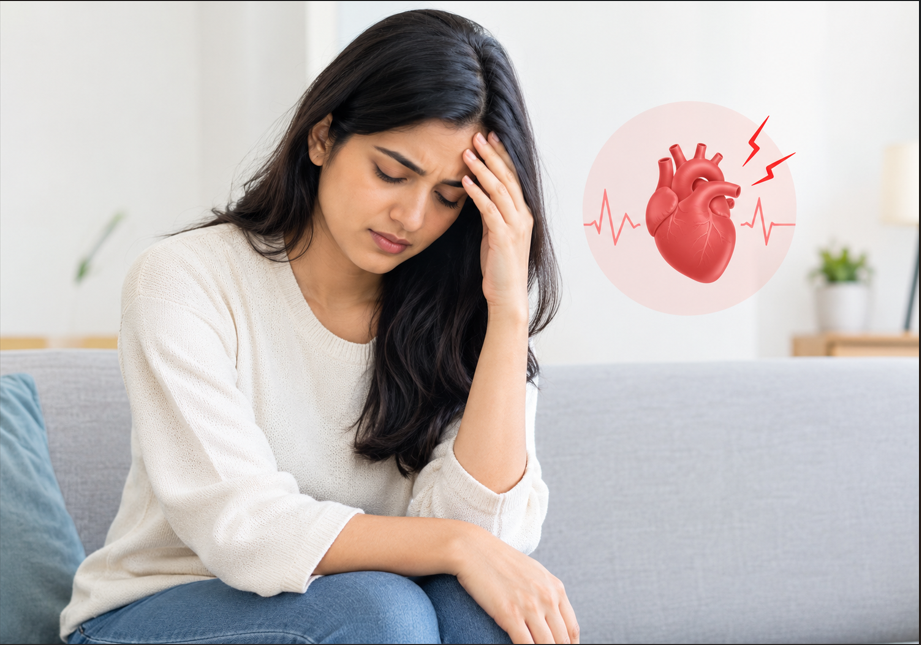
Think about the last time you were stuck in traffic, running late for work, or worrying about money. Your heart probably started beating faster, and your shoulders felt tight. That’s your body’s normal response to stress, and it’s meant to help in short bursts. But when stress hangs around for weeks or months, it may start to affect your heart. Let’s look at how, in simple terms.
What happens in your body during stress
When you feel stressed, your body releases hormones like adrenaline and cortisol. These raise your heart rate and blood pressure so you’re ready to react. This “fight or flight” response is useful in a real emergency. The trouble starts when the body stays in that mode too often, without time to calm down.
How long-term stress may affect the heart?
Experts say ongoing stress may be linked with higher blood pressure and inflammation, both of which can put extra strain on the arteries over time. Stress can also push people toward habits that aren’t great for the heart, like eating comfort food, smoking, drinking more alcohol, skipping exercise, or sleeping poorly. So the effect isn’t always direct. Sometimes it’s the way we cope with stress that adds to the risk.
Stress and the causes of heart attack
Doctors generally don’t see stress as the only cause. The main causes of heart attack usually involve fatty plaque building up in the arteries and narrowing them. A heart attack happens when blood flow to part of the heart gets blocked, often when a plaque ruptures. Other well-known risk factors include high blood pressure, high cholesterol, diabetes, smoking, being overweight, and family history.
Stress may add to these factors. In some people who already have heart disease, a very intense moment of stress may act as a trigger.
There’s also a condition called broken heart syndrome (stress cardiomyopathy). Sudden, intense emotional stress may temporarily weaken part of the heart, and it can feel just like a heart attack. That’s why getting checked matters.
Heart attack complications to know about
A heart attack can be serious, and the outcome often depends on how quickly someone gets treatment. Possible heart attack complications include irregular heartbeats (arrhythmias), heart failure, damage to the heart muscle, and, in some cases, cardiac arrest. This is one reason doctors say it’s better to get help early than to wait and see if symptoms pass.
Warning signs you shouldn’t ignore
Symptoms may include chest pain or pressure, pain spreading to the arm, jaw, neck, or back, shortness of breath, cold sweat, nausea, or lightheadedness. They can look different from person to person, and some people may have milder ones. If you notice any of these, call emergency services right away.
Simple ways to ease stress
You can’t remove stress completely, but a few small habits may help:
- Move your body. A daily walk or light exercise may help lower stress and support your heart.
- Keep a sleep routine. Going to bed and waking up at regular times can make a difference.
- Take a breather. Even a few minutes of deep breathing, meditation, or yoga may help you reset.
- Talk it out. Sharing your worries with a friend, family member, or counsellor can lighten the load.
- Eat balanced meals. Include vegetables, fruits, and whole grains.
Final thoughts
Stress is part of life, but how we handle it matters. Looking after your mind is a big part of looking after your heart. Regular check-ups, healthy daily habits, and asking for help when things feel heavy are good places to start.