
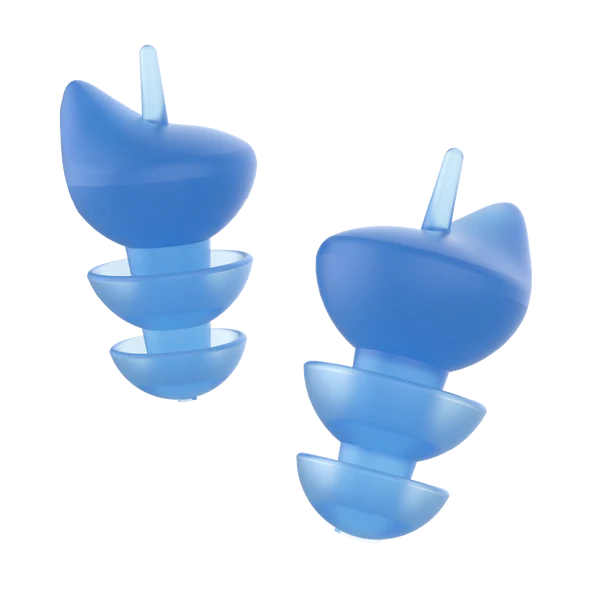
Sleep quality is strongly affected by environmental noise, which can come from traffic, snoring, neighbors, or other disturbances. Many people struggle to get uninterrupted rest because of these external sounds. One simple and effective solution is the use of earplugs for sleeping. Among sleep improvement strategies, earplugs are widely used as a practical tool to block or reduce unwanted noise and support deeper, more restful sleep.
What Are Earplugs for Sleeping?
Earplugs for sleeping are small devices designed to fit inside the ear canal or rest at its opening to reduce incoming sound. They are made from different materials such as foam, silicone, wax, or moldable compounds.
Their main purpose is to create a physical barrier that reduces the intensity of external noise without completely isolating the user from the environment. This allows for a quieter sleep environment while still maintaining awareness of important sounds, such as alarms.
How Noise-Reducing Earplugs Work
Noise-reducing earplugs work by physically blocking sound waves from entering the ear canal. Depending on the material and design, they can significantly reduce decibel levels.
Most earplugs are rated by noise reduction rating (NRR), which indicates how much sound they can block. Foam earplugs, for example, expand inside the ear to create a tight seal, while silicone earplugs form a flexible barrier at the ear opening.
Although they do not eliminate all noise completely, they can reduce disruptive sounds enough to improve sleep quality.
Benefits of Using Earplugs for Sleep
Using earplugs for sleeping offers several advantages:
1. Improved Sleep Quality
By reducing environmental noise, ear plugs help users fall asleep faster and stay asleep longer.
2. Fewer Nighttime Disturbances
They reduce interruptions caused by sudden or continuous sounds such as traffic or snoring.
3. Better Sleep in Noisy Environments
People living in cities or shared spaces benefit significantly from reduced background noise.
4. Support for Light Sleepers
Individuals who are sensitive to sound can experience deeper and more consistent rest.
5. Non-Medical Sleep Aid
Earplugs provide a simple, non-invasive solution without the need for medication.
Types of Earplugs Used for Sleeping
Different types of earplugs are available depending on comfort and usage preference:
- Foam earplugs: Expand to fit the ear canal and offer high noise reduction
- Silicone earplugs: Reusable and more comfortable for long-term use
- Wax earplugs: Moldable and suitable for a custom fit
- Custom-molded earplugs: Designed for individual ear shapes for maximum comfort
Each type offers a balance between comfort, reusability, and sound reduction.
Safety and Proper Use
Earplugs are generally safe for nightly use when used correctly. However, proper hygiene is important to avoid ear irritation or wax buildup.
Important usage tips include:
- Clean reusable earplugs regularly
- Replace disposable ones frequently
- Avoid inserting them too deeply into the ear canal
- Choose a comfortable fit to prevent pressure or discomfort
When used properly, they are a safe and effective sleep aid.
Limitations of Earplugs
While effective, earplugs do have some limitations:
- They may not block all sounds completely
- Improper fit can reduce effectiveness
- Some users may feel discomfort initially
- Regular cleaning or replacement is required
Understanding these limitations helps users set realistic expectations.
Conclusion
Noise disturbances are one of the most common barriers to quality sleep. The use of noise-reducing earplugs offers a simple and effective way to minimize these disruptions and improve the quality of rest. Among sleep-improvement solutions, noise-reducing earplugs remain a widely trusted option for creating a quieter sleep environment, helping individuals achieve more consistent and restorative sleep.