
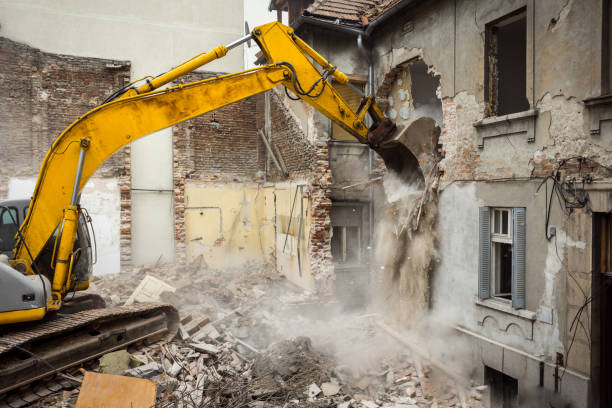
Demolition work can involve more than removing walls, fixtures, or an entire structure. Demolition in Corona, CA may require coordination among property owners, permit offices, utility providers, engineers, hazardous-material specialists, and waste haulers. The right next step depends on the property’s condition, the planned scope, and any concerns identified in a prior inspection or evaluation.
Before scheduling equipment or signing a removal contract, property owners should establish what must be investigated, approved, disconnected, tested, or documented. A demolition contractor may handle physical removal, but separate specialists can be needed for structural concerns, environmental hazards, utility clearance, and site restoration.
What Demolition in Corona, CA May Include
The project scope should be defined before pricing is compared. Full structure removal differs from interior demolition, selective removal, slab removal, or clearing an unsafe accessory structure. Each option can create different needs for permits, protection of neighboring improvements, debris handling, and final grading.
Inspection findings should be treated as planning information rather than a complete demolition plan. Reports can identify visible conditions, but concealed utilities, buried tanks, structural connections, or regulated materials may require additional evaluation.
Useful scope questions include:
- Will the project remove the entire structure or only selected components?
- Will foundations, slabs, driveways, or retaining walls remain?
- Could nearby buildings, fences, trees, or public improvements be affected?
- Who will handle debris sorting, hauling, and site cleanup?
Which Specialists Should Review the Property Before Demolition
The next specialist depends on the specific finding identified during a property inspection. Structural movement, unstable framing, or shared walls generally require evaluation by a structural engineer before demolition methods are selected. Utility concerns may also require direct coordination with electric, gas, water, sewer, or telecommunications providers to confirm service locations, disconnection requirements, and appropriate safety precautions.
Environmental or hazardous-material professionals may be necessary when a property contains older building materials, unusual odors, stained soil, abandoned containers, or suspected asbestos, lead-based paint, mold, or other contaminants. A qualified surveyor can help clarify boundary questions when demolition could approach a lot line or affect improvements near neighboring land. Depending on the project’s scope, additional specialists may be needed to assess drainage, underground utilities, site stability, or other conditions that could affect demolition planning.
Demo Pros Plus recognizes the importance of identifying the right professionals before demolition begins. Coordinating the appropriate assessments can help property owners understand potential risks, clarify project requirements, and determine whether additional testing, permits, or technical reviews are necessary. Addressing these concerns early can also help reduce unexpected delays, prevent avoidable damage, and support a more organized demolition process.
Property owners can organize the initial review around these key contacts:
- Structural engineer: Evaluates building stability, load paths, structural connections, and partial-removal concerns.
- Utility providers: Confirm service locations, disconnection procedures, and clearance requirements before work begins.
- Environmental specialist: Assesses suspected hazardous materials, contaminated soil, and other environmental concerns.
- Permit office or planning department: Explains applicable local approvals, demolition requirements, and site-related regulations.
By consulting the appropriate specialists and coordinating their findings, property owners can make better-informed decisions before proceeding. Demo Pros Plus encourages careful planning and professional assessment to help ensure that demolition requirements are understood and that potential site concerns are addressed before work begins.
Permit and Utility Steps Before Work
Permit requirements vary by project scope, location, structure type, and local rules. The responsible permit office can identify application materials, required plans, inspection points, erosion controls, haul routes, and demolition-specific conditions. Property owners should avoid assuming that a small removal is exempt simply because it involves only part of a building.
Utility coordination deserves separate attention. Visible service lines do not establish that every connection has been safely disconnected, and older properties may contain abandoned or undocumented lines. Written confirmation, provider instructions, and contractor documentation can help reduce confusion before equipment enters the site.
Early planning commonly includes:
- Confirming the responsible jurisdiction and permit pathway
- Requesting utility locating and required service disconnections
- Reviewing access for trucks, equipment, and emergency response
- Identifying fencing, dust control, noise, and public-safety measures
Hazardous Materials Need Separate Attention During Full House Demolition
Full House Demolition requires careful attention to hazardous materials that may be concealed within a property’s structure or surrounding areas. Demolition can disturb materials that are not apparent during a general property inspection, including suspected asbestos-containing products, lead-based paint, mold, fuel residues, and contaminated soil. These materials should not be treated as ordinary construction debris. Appropriate testing, assessment, and removal decisions should be handled by qualified environmental professionals in accordance with applicable regulations and safety requirements.
Before a full house demolition project begins, property owners should identify any known or suspected hazards and communicate this information to the demolition contractor. Older homes may contain materials that require specialized assessment, while newer properties can also have contamination concerns resulting from previous renovations, damaged equipment, or historical site use. Identifying these issues early can help determine whether additional inspections, laboratory testing, specialized removal procedures, or specific disposal arrangements are necessary.
Demo Pros Plus recognizes the importance of addressing hazardous-material concerns before demolition activities begin. Property owners should ask how the proposed demolition plan will account for identified hazards, protect neighboring properties, control dust, separate different types of debris, and document waste transportation and disposal. Where necessary, hazardous materials should be assessed and removed by appropriately qualified professionals before the main structure is demolished.
A thorough review of potential hazards can help reduce avoidable exposure, prevent unnecessary project interruptions, and support better coordination throughout the demolition process. Although a contractor’s site assessment can identify visible concerns, it does not replace professional environmental testing or regulatory guidance when these services are required. By addressing hazardous materials separately and documenting the necessary precautions, Demo Pros Plus emphasizes the importance of responsible planning for full house demolition projects.
Turning a Demolition Finding Into a Work Plan
Once the report and specialist opinions are available, the project can move from a general concern to a defined sequence. Property owners can compare bids more fairly when each bidder receives the same scope, hazard information, access limitations, and restoration expectations.
Written proposals should identify what is included and excluded. Important details can include permit responsibility, utility coordination, demolition limits, debris removal, grading, foundation treatment, temporary protection, and the condition in which the site will be left. Unclear exclusions can create disputes when buried materials, concrete, or damaged neighboring improvements appear during work.
Property owners should retain inspection reports, specialist letters, permits, utility confirmations, photographs, contracts, and disposal records. Sellers may need these documents when explaining known conditions, while buyers can use them to understand remaining costs and responsibilities before closing. Neither an inspection report nor a contractor estimate guarantees that concealed conditions will not arise, so contingency planning remains prudent.
Property owners considering Demolition in Corona, CA can reach the listed provider at (714) 605-1651 or review https://demoprosplus.com/ before selecting the appropriate specialist and confirming the project scope.
Questions Property Owners Commonly Ask
Does every demolition project require a permit?
Permit needs depend on the work, structure, location, and local requirements. The responsible permit office can provide the applicable direction.
Which specialist reviews structural concerns before demolition?
A structural engineer can evaluate instability, shared walls, load paths, and whether selective removal could affect remaining construction.
What happens if the report mentions asbestos?
Work should pause in the affected area until an appropriately qualified hazardous-material professional determines whether testing or controlled removal is needed.
Should utilities be disconnected before work begins?
Utility providers generally need to confirm service status and any required disconnection process before demolition activities start.
Can partial demolition use the same process as full removal?
Not necessarily. Selective demolition may require temporary support, protection of remaining finishes, and a more detailed sequence.
What should sellers provide before listing a property with demolition needs?
Sellers should organize known reports, estimates, permits, hazard information, and contractor proposals so buyers can assess scope and responsibility.