
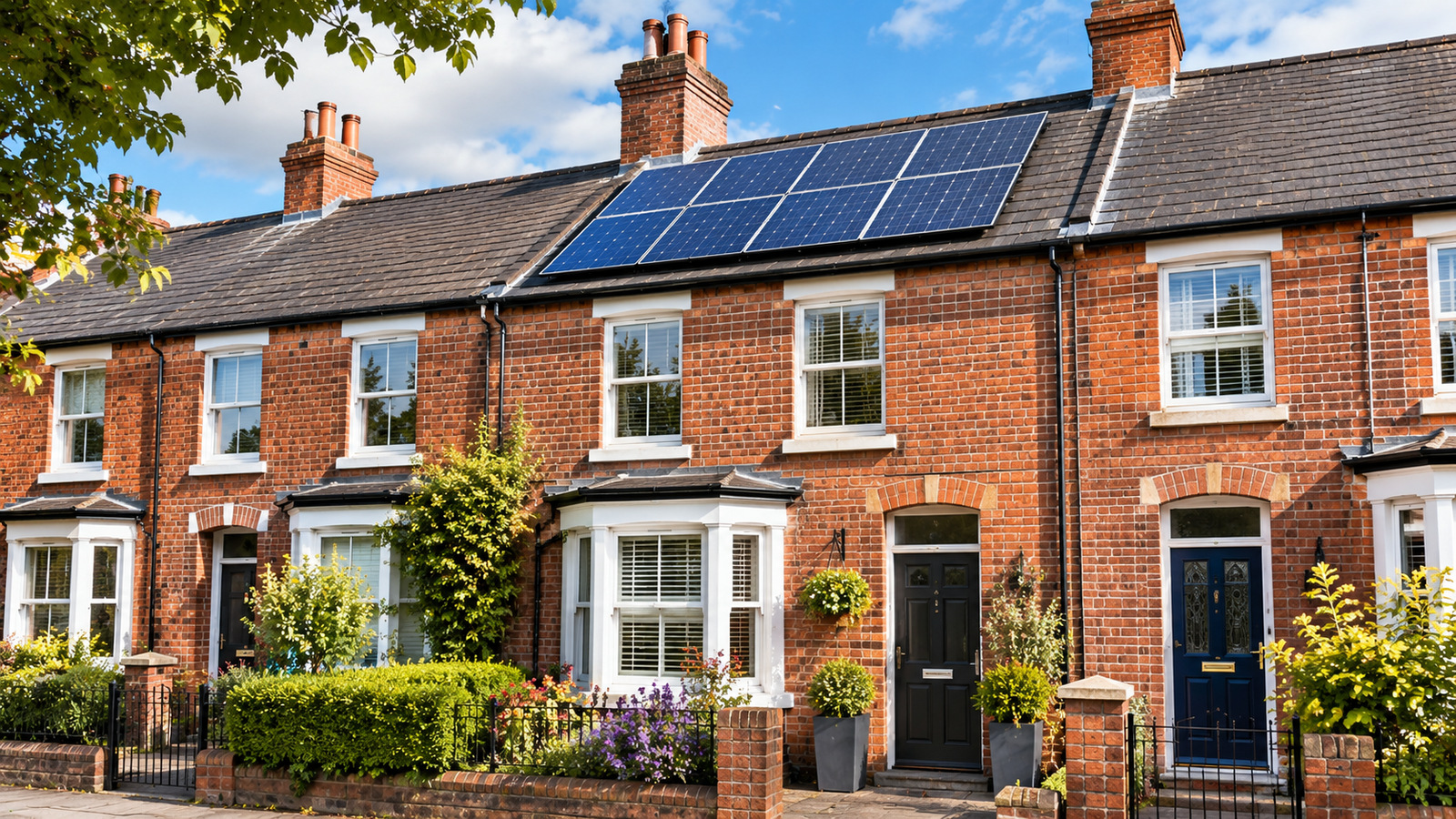
Historic buildings and neighbourhoods can present special challenges for renewable energy projects. Solar panels may be appropriate on some heritage properties, but protecting important architectural features and obtaining the correct consents must come before installation.
A knowledgeable solar installation company can help assess the technical options, while the local planning authority and heritage professionals advise on permissions.
Are Solar Panels Allowed on Listed Buildings?
They can be, but additional controls apply. In England, installing solar photovoltaic equipment on a listed building requires listed building consent; planning permission may also be necessary depending on the proposal. Approval is not automatic, and any design must respect the property’s special architectural or historic interest.
Different procedures apply in Scotland, Wales and Northern Ireland, so seek guidance for the relevant location rather than relying on a single UK-wide rule.
What If Your Home Is in a Conservation Area?
Conservation-area designation does not automatically ban rooftop solar. However, restrictions may apply to particular roof slopes, walls or visible elevations, and local Article 4 directions can remove some permitted-development rights.
England updated certain solar permitted-development provisions on 27 August 2026 and provided a transitional arrangement lasting until 27 August 2027. The planning position is therefore worth checking directly with the local authority before making changes.
Why Is Solar Panel Position So Important?
A prominent front roof slope may be highly sensitive on a heritage building. Less visible roof valleys, rear elevations or locations screened by a parapet may be more suitable, subject to the site’s particular circumstances.
Panel colour, mounting height, cabling routes and the location of the inverter can all affect the visual outcome. An unobtrusive design is important, but it must also generate enough electricity to justify the work.
What About Roof Structure and Original Materials?
Traditional roofing materials may require specialist mounting solutions. An installer should consider roof loading, waterproofing, fire and electrical safety, and whether fixings could damage significant historic fabric.
In some cases, alternative locations such as a suitable outbuilding may be worth discussing. Their planning implications still need to be checked.
What Should You Do Before Requesting Installation?
Gather photographs, property-listing information and basic roof measurements. Speak to the local planning authority about the relevant consents, then seek a technical solar assessment that can inform the proposed design.
Final Thoughts
Heritage-sensitive solar is possible in some circumstances, but permission and design are case-specific. Eco Energy Services can help you explore a tailored solar PV proposal; any heritage approvals should be confirmed with the appropriate authorities before installation proceeds.