
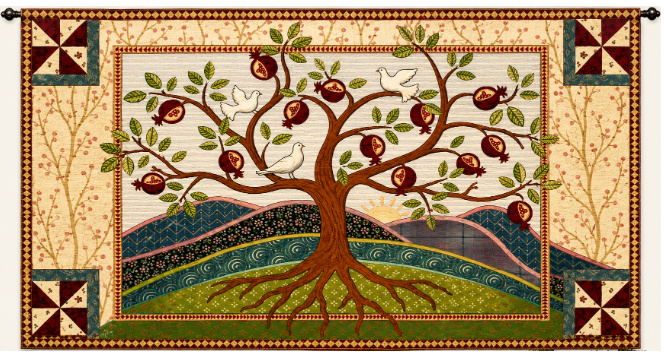
Large empty walls can strongly influence the appearance and atmosphere of an interior. While small artwork can add subtle decorative details, expansive walls often require a more substantial focal point to create visual balance. Textile wall art offers an effective way to introduce colour, texture, and artistic character across a broad surface. A large tapestry can fill an otherwise empty wall while creating a warm and distinctive feature without requiring extensive structural changes. With the right size, design, and placement, large-scale textile artwork can complement everything from traditional interiors to contemporary living spaces.
Why Choose Large-Scale Textile Wall Art?
Large walls can sometimes make furniture appear disconnected from the surrounding space. A substantial textile artwork can help visually connect the furniture arrangement with the wall behind it.
Unlike several small decorative pieces, one large textile can create a clear focal point. This can make the room feel more intentional while reducing the need for numerous separate decorations.
Fabric also introduces a different quality from framed prints or hard wall surfaces. Its texture can soften the overall appearance of a room and contribute to a layered interior design.
Selecting the Right Size
Size is one of the most important considerations when choosing large wall art. The artwork should be substantial enough to complement the wall without overwhelming the room.
Measure the available wall space before making a selection. Consider the width of nearby furniture and leave enough surrounding space so the artwork does not appear cramped.
A large tapestry positioned above a sofa, bed, dining table, or console can help establish a central visual area. In particularly spacious rooms, an oversized design may be appropriate for creating a stronger focal point.
The proportions of the artwork should also work with the shape of the wall. Horizontal designs can complement wide furniture arrangements, while vertical pieces may suit taller spaces.
Choosing a Design
The artwork itself should reflect both personal taste and the existing interior. Large-scale designs have a stronger visual presence, so patterns and imagery should be selected carefully.
Nature-inspired scenes, landscapes, botanical designs, geometric patterns, historical imagery, and abstract compositions can all work effectively at larger scales.
Detailed artwork can be particularly engaging when displayed on a large wall because viewers have enough space to appreciate smaller elements within the composition.
Using Colour to Create Balance
Colour can influence how large textile artwork interacts with the rest of the room. A neutral interior may benefit from a colourful focal point, while a room with strong existing colours may require a more restrained design.
Consider the colours already present in furniture, flooring, curtains, rugs, and accessories. The artwork does not need to match everything exactly. Complementary or contrasting colours can create greater visual interest.
Dark or rich tones can add depth to a spacious room, while lighter palettes may help maintain an airy appearance.
Creating a Focal Point
A large tapestry can naturally become the focal point of a room when positioned correctly. Placing it behind a major piece of furniture can define that area and establish a visual hierarchy.
For example, a large textile behind a sofa can anchor a living area, while one positioned behind a bed can function as a decorative backdrop.
The surrounding wall should not be overcrowded. Allowing the artwork to stand on its own can make its design more noticeable and prevent the room from feeling visually cluttered.
Installation Considerations
Large textile pieces require appropriate installation methods. The mounting system should be selected according to the size, weight, construction, and wall surface.
Before installation, check whether the chosen mounting hardware can safely support the piece. Large artwork may require stronger fixtures or additional support compared with smaller wall decorations.
Positioning should also be considered from normal viewing distances. Artwork that looks balanced from close range may appear too high or low when viewed from across the room.
Conclusion
Large-scale textile artwork can transform an empty wall into a distinctive focal point while adding colour, texture, and personality to an interior. A tree of life tapestry can be an especially meaningful choice for those who want to combine natural symbolism with decorative wall art.