
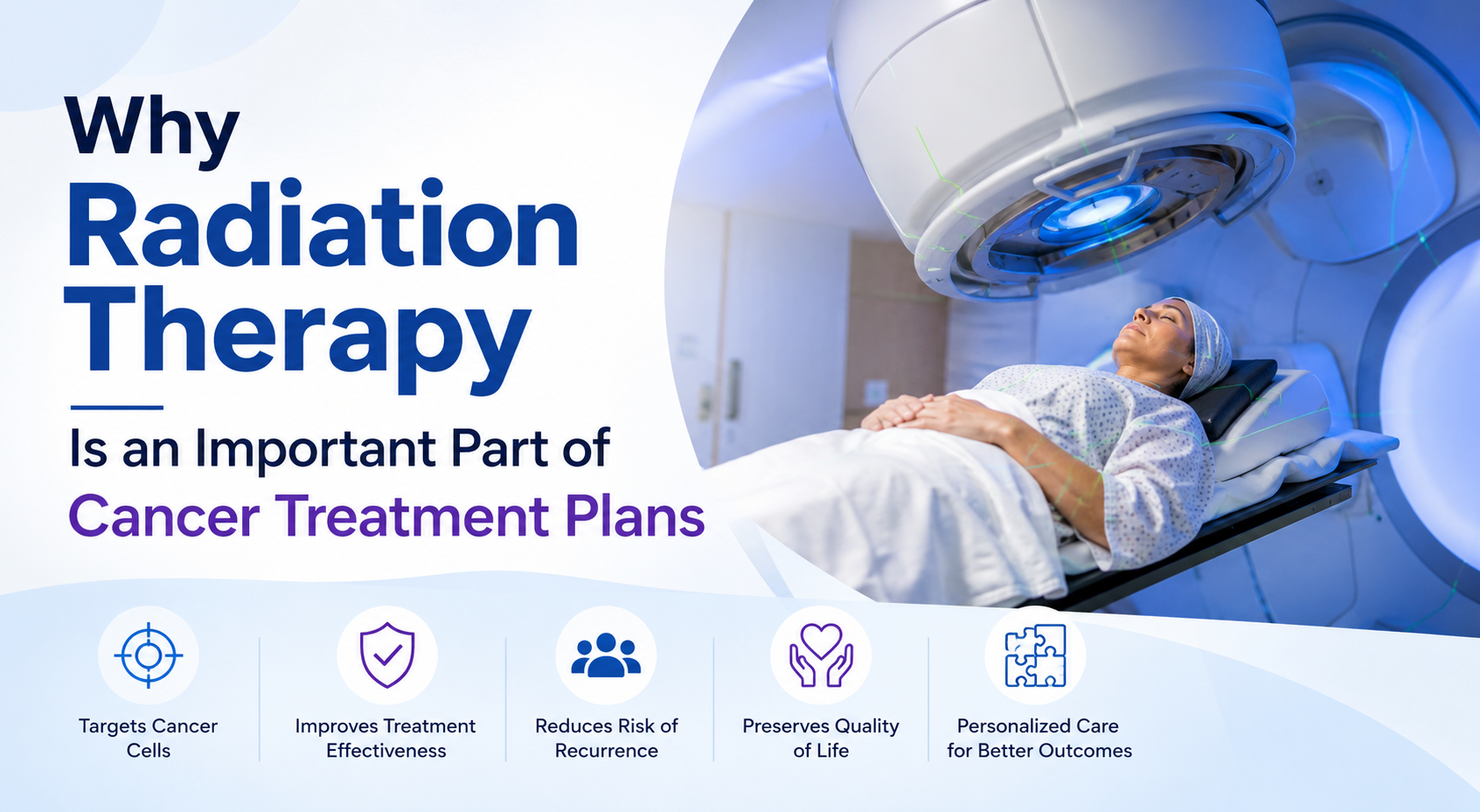
Cancer treatment has evolved significantly over the years, with multiple approaches now working together to improve survival rates and patient outcomes. Among these approaches, radiation therapy plays a central role because it can directly target cancer cells with high precision while limiting damage to nearby healthy tissues. It is widely used across different stages of cancer care, either alone or in combination with surgery and chemotherapy, depending on the patient’s condition and type of cancer.
Radiation therapy is not a one-size-fits-all approach. Instead, it is carefully planned and customized for each patient. This individualized planning is one of the key reasons it has become such an important part of modern oncology treatment strategies.
Understanding Radiation Therapy and How It Works
Radiation therapy is a medical treatment that uses high-energy rays or particles to destroy cancer cells. These rays damage the DNA inside cancer cells, making it impossible for them to grow or divide. Over time, the affected cells die and are naturally removed by the body’s immune system.
What makes radiation therapy especially valuable is its ability to focus on a specific area of the body. Unlike systemic treatments that affect the entire body, radiation can be aimed directly at the tumor site. This targeted approach helps reduce harm to healthy tissues and lowers the risk of widespread side effects.
Modern technology has greatly improved the accuracy of radiation delivery. Advanced machines and imaging systems help doctors shape radiation beams according to the tumor’s size, shape, and location, ensuring maximum effectiveness.
Why Radiation Therapy Is Used in Cancer Treatment
Radiation therapy is used for several important reasons in cancer care. One of its primary roles is to shrink tumors before surgery, making them easier to remove. This pre-surgical use can significantly improve surgical outcomes in many patients.
It is also commonly used after surgery to eliminate any remaining cancer cells that may not be visible during the procedure. This helps reduce the risk of cancer returning.
In some cases, radiation therapy is used as the main treatment, especially when surgery is not possible due to the tumor’s location or the patient’s overall health. It is also widely used for palliative care, where the goal is to relieve symptoms such as pain, bleeding, or pressure caused by tumors, improving the patient’s quality of life.
Treatment Access at Specialized Cancer Care Centers
Access to advanced healthcare facilities plays a crucial role in the success of cancer treatment. Patients often seek care at a Best cancer hospital in India, where modern radiation technology and multidisciplinary oncology teams work together to deliver comprehensive care.
These hospitals are equipped with advanced systems like image-guided radiation therapy and intensity-modulated radiation therapy, which allow for highly precise targeting of tumors. Such facilities also focus on creating personalized treatment plans based on each patient’s medical history, cancer type, and stage of disease.
In addition to technology, these hospitals emphasize coordinated care. Oncologists, radiologists, surgeons, and support staff collaborate closely to ensure that each patient receives the most effective treatment possible.
Understanding Cancer Rediation in Medical Practice
The term cancer rediation is often used informally to describe radiation-based cancer treatment. In medical practice, it refers to carefully controlled exposure of cancerous tissue to high-energy radiation under strict clinical supervision.
The treatment process is highly structured. It begins with detailed imaging scans that help doctors locate the tumor precisely. Based on this information, a radiation plan is created that outlines the exact dose, angle, and duration of treatment.
Patients typically undergo multiple sessions over several days or weeks. Each session is relatively short, but the planning behind it is highly detailed. The goal is to ensure that cancer cells receive enough radiation to be destroyed while protecting healthy tissues as much as possible.
Safety is a top priority throughout the process. Continuous monitoring and advanced planning systems ensure that treatment is delivered accurately and consistently.
Benefits of Radiation Therapy in Cancer Management
Radiation therapy offers several important benefits that make it a vital part of cancer treatment plans. One of its biggest advantages is its ability to control or eliminate localized tumors effectively. In many cases, it can significantly reduce tumor size or completely destroy cancerous growths.
Another major benefit is that radiation therapy is non-invasive. Unlike surgery, it does not require incisions or physical removal of tissue, which means recovery time is often shorter and less physically demanding.
Radiation therapy is also highly flexible. It can be used at different stages of treatment, either alone or in combination with other therapies. This flexibility allows doctors to adapt treatment strategies based on how the cancer responds over time.
Additionally, radiation therapy often improves quality of life by reducing symptoms caused by tumors, such as pain or difficulty in organ function.
Importance of Expertise in Radiation Oncology
The success of radiation therapy depends heavily on the skill and experience of the treating specialist. A best radiation oncologist in india plays a key role in designing and managing the entire treatment process.
These specialists carefully analyze diagnostic imaging, determine the appropriate radiation dose, and decide the best approach for targeting the tumor. They also ensure that the treatment is delivered safely and effectively.
Throughout the treatment cycle, radiation oncologists closely monitor patient progress. If necessary, they adjust the treatment plan to improve outcomes or reduce side effects. Their expertise ensures that radiation therapy is used in the most precise and beneficial way possible.
Side Effects and Patient Safety in Radiation Therapy
Like all medical treatments, radiation therapy can have side effects. However, most side effects are localized to the treatment area and are usually temporary. Common effects include fatigue, skin irritation, and mild discomfort in the treated region.
The severity of side effects depends on factors such as the type of cancer, the area being treated, and the radiation dose used. Medical teams take extensive precautions to minimize these effects.
Advanced targeting techniques, shielding devices, and precise dose calculations help protect healthy tissues. Patients are also closely monitored throughout the treatment process to ensure safety and comfort.
Combining Radiation Therapy with Other Treatments
Radiation therapy is often most effective when combined with other cancer treatments. When used alongside chemotherapy, it can enhance the overall effectiveness of cancer cell destruction. This combination approach is known as chemoradiation.
It is also frequently used before or after surgery to improve treatment outcomes. In advanced cancer cases, combining multiple therapies helps doctors target cancer from different angles, increasing the likelihood of successful control or remission.
This integrated approach is a cornerstone of modern oncology and reflects how cancer treatment has become more personalized and strategic.
Advancements in Radiation Therapy Technology
Radiation therapy has seen significant technological advancements in recent years. Modern techniques such as intensity-modulated radiation therapy (IMRT) and stereotactic radiosurgery allow for highly precise targeting of tumors.
These technologies help shape radiation beams more accurately, reducing exposure to healthy tissues and minimizing side effects. Image-guided systems also allow doctors to track tumor position in real time, improving treatment accuracy.
As technology continues to evolve, radiation therapy is becoming safer, more effective, and more comfortable for patients.
Conclusion
Radiation therapy is a cornerstone of modern cancer treatment due to its precision, versatility, and effectiveness. It plays a critical role in shrinking tumors, eliminating cancer cells, and supporting other treatment methods. When delivered under expert supervision and with advanced technology, it significantly improves patient outcomes and quality of life.
As medical science continues to advance, radiation therapy will remain an essential part of comprehensive cancer care, offering hope and improved survival for patients worldwide.
FAQs
What is radiation therapy and how does it work?
Radiation therapy is a cancer treatment that uses high-energy rays to destroy cancer cells. It works by damaging the DNA inside cancer cells, preventing them from growing and dividing, and eventually causing them to die.
Is radiation therapy painful?
The treatment itself is not painful and is similar to getting an X-ray. However, some patients may experience mild side effects afterward, such as fatigue or skin irritation in the treated area.
What types of cancer are treated with radiation therapy?
Radiation therapy is used to treat many cancers, including breast, lung, prostate, brain, cervical, and head and neck cancers. It may be used alone or combined with other treatments like surgery or chemotherapy.
How long does radiation therapy last?
The duration depends on the type and stage of cancer. It may involve a single session or daily treatments over several weeks as planned by the radiation oncologist.
What are the side effects of radiation therapy?
Side effects vary depending on the treatment area and dose but commonly include fatigue, skin changes, and mild irritation. Most side effects are temporary and improve after treatment ends.
Can radiation therapy cure cancer?
Yes, radiation therapy can cure certain cancers, especially when detected early or localized. In other cases, it is used to control cancer growth or relieve symptoms.