
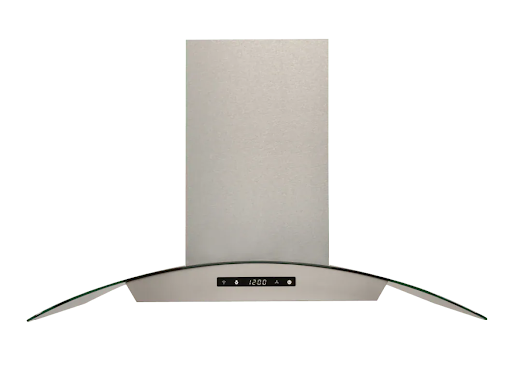
Not every kitchen can support exterior ductwork, yet every kitchen still benefits from cleaner air during cooking. That is why many homeowners consider ductless wall mount range hoods when venting outside is difficult, expensive, or simply not allowed. These models are designed to filter the air and recirculate it back into the room rather than push it outdoors through a duct system.
This approach can be very useful, but it works best when buyers understand both the advantages and the limitations. A ductless hood can improve comfort and reduce odors in the right setting, but it is not identical to a full ducted system. Choosing well means knowing when this style is practical and what maintenance it requires to stay effective.
How Ductless Ventilation Works
A recirculating hood typically pulls cooking air through grease filters and charcoal filters before returning it to the kitchen. This helps reduce airborne grease and some cooking odors without requiring a vent path to the outside. For apartments, interior kitchens, and renovation projects with structural restrictions, that flexibility can make installation much easier.
Because no duct needs to be routed through walls or ceilings, the project can often feel more manageable from a layout and labor standpoint. That convenience is one of the biggest reasons homeowners explore this category.
When It Is A Smart Option
Ductless wall mount range hoods are often a good fit when a home cannot accommodate traditional ductwork or when the cost of exterior venting would disrupt the project too heavily. They can also work well in secondary kitchens, apartments, condos, and remodels where simplicity matters.
At the same time, buyers should stay realistic about cooking style. Households that cook heavily with grease, intense spices, or prolonged high heat may still prefer a ducted solution if one is possible. A ductless system can help, but it does not remove heat and moisture from the home in the same way.
Maintenance Is Part Of The Decision
Unlike a ducted hood that depends more heavily on airflow path, a ductless unit depends strongly on filter condition. Charcoal filters need to be replaced on schedule, and grease filters need regular cleaning if the hood is going to keep performing well. Skipping maintenance reduces the value of the entire system.
That is why filter access should be part of the buying decision. A unit that is easy to open, clean, and maintain is far more practical than one that makes routine upkeep feel like a chore.
Choosing Features That Improve Daily Use
Even without exterior ducting, buyers can still compare useful features such as fan speeds, lighting, control placement, finish quality, and noise levels. The hood should still feel like a dependable part of the kitchen rather than a compromise made only for installation reasons.
A thoughtful choice can improve comfort in kitchens that would otherwise have little or no active ventilation. That makes the category valuable, especially when the room layout leaves few alternatives.
Conclusion
A recirculating hood is most effective when it is chosen for the right type of kitchen and maintained with realistic expectations. Buyers who think about installation limits, cooking style, and filter upkeep together are more likely to be satisfied over the long term. Ductless wall mount range hoods offer a flexible answer when exterior venting is not practical, and understanding how each range hood vent system works can help homeowners compare recirculating and ducted options more clearly.