
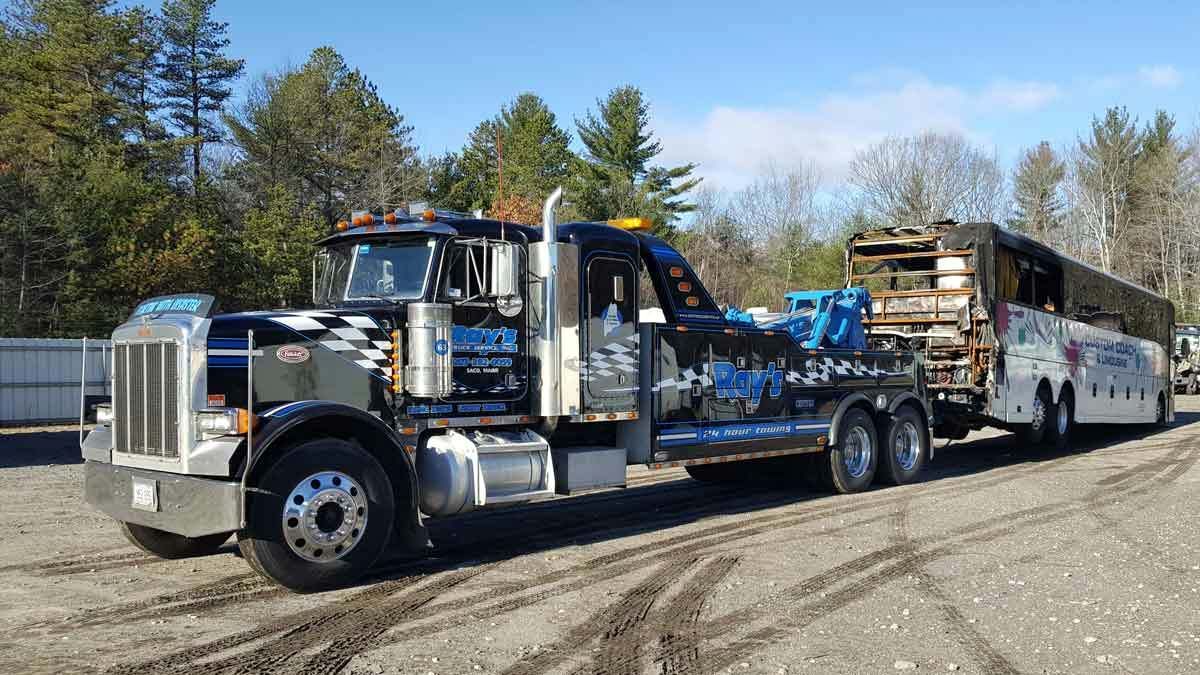
Tow truck businesses depend on reliable vehicles to respond quickly to breakdowns, accidents, and roadside emergencies. When a tow truck is unavailable because of mechanical problems, the impact can extend beyond repair costs—it can also affect response times, customer satisfaction, and daily revenue. Tow truck repair software helps businesses organize vehicle maintenance, repair work, parts, labor, and service records in one centralized system.
What Is Tow Truck Repair Software?
Tow truck repair software is a specialized management solution designed to help towing companies, fleet operators, and repair facilities manage the maintenance and repair of tow trucks.
Instead of relying on spreadsheets, paper records, or separate systems, businesses can use the software to track everything from routine oil changes to major engine repairs. It can also provide a complete history for each vehicle, making it easier to identify recurring problems and plan preventative maintenance.
Key Features of Tow Truck Repair Software
A modern tow truck repair system can include several features that simplify workshop and fleet operations.
- Vehicle maintenance tracking: Record inspections, servicing, repairs, mileage, and maintenance schedules for every tow truck.
- Preventive maintenance reminders: Automatically schedule oil changes, brake inspections, tire checks, fluid changes, and other recurring services.
- Repair orders: Create and manage work orders with details about reported problems, required repairs, labor, parts, and completion status.
- Parts and inventory management: Track spare parts, stock levels, purchases, and parts used on individual repair jobs.
- Labor tracking: Record technician hours and associate labor costs with specific repair orders.
- Service history: Maintain a complete repair and maintenance history for each vehicle.
- Cost tracking: Monitor repair expenses, parts costs, labor costs, and overall maintenance spending.
- Fleet management: Manage multiple tow trucks from a centralized dashboard.
- Reports and analytics: Generate reports covering maintenance costs, vehicle downtime, repair frequency, and service activity.
- Mobile access: Allow drivers, technicians, and managers to update information from phones or tablets while working in the field.
Why Towing Companies Need Repair Management Software
Tow trucks often operate under demanding conditions. Frequent driving, heavy loads, long operating hours, and roadside work can increase wear on critical components.
Without an organized maintenance process, important service tasks can be overlooked. A repair management system provides visibility into upcoming maintenance and outstanding repairs.
For example, a fleet manager can see which vehicles are due for service, which trucks are currently being repaired, and how much has been spent maintaining each vehicle. This information can support better maintenance planning and reduce unexpected downtime.
Preventive Maintenance Made Easier
Preventive maintenance is one of the most valuable functions of tow truck repair software.
Instead of waiting for a vehicle to fail, managers can establish maintenance schedules based on mileage, operating hours, dates, or other service intervals. The system can then provide reminders when maintenance is approaching.
Regular maintenance can help businesses identify developing issues before they become larger repair problems. It also creates a documented maintenance history that can be useful when evaluating vehicle performance and operating costs.
Managing Repair Orders Efficiently
A digital repair order provides a structured way to manage each service job.
A typical repair order can include:
- Vehicle identification
- Driver-reported problem
- Technician diagnosis
- Required parts
- Labor hours
- Repair notes
- Inspection results
- Approval status
- Completion date
- Total repair cost
Having this information in one place can reduce confusion between drivers, technicians, service managers, and business owners.
Parts and Inventory Control
Repair shops and towing fleets can spend significant amounts on replacement parts. Without proper inventory management, businesses may overstock certain items while running out of commonly needed parts.
Tow truck repair software can help track parts as they enter inventory and are used on repair orders. Managers can monitor stock levels and identify frequently used components.
This can make purchasing more organized and provide a clearer picture of the true cost of maintaining the fleet.
Improving Fleet Visibility
For companies operating multiple tow trucks, visibility is especially important. A centralized repair system can show the maintenance status of the entire fleet.
Managers may be able to quickly identify:
- Vehicles available for dispatch
- Vehicles undergoing repairs
- Upcoming maintenance requirements
- Trucks with recurring repair issues
- Maintenance spending by vehicle
- Vehicles experiencing excessive downtime
This information can help businesses coordinate repairs without losing sight of their overall fleet operations.
Choosing the Right Tow Truck Repair Software
When selecting a system, towing companies should consider the size of their fleet, the complexity of their workshop operations, and the information they need to track.
Important considerations include ease of use, maintenance scheduling, work-order management, inventory capabilities, reporting, mobile access, integrations, data security, and scalability.
A small towing company may only need basic maintenance and repair tracking, while a larger fleet may require comprehensive fleet, inventory, accounting, and technician-management capabilities.
Conclusion
Tow truck repair software can turn vehicle maintenance from a reactive process into a more organized and proactive operation. By centralizing repair orders, maintenance schedules, parts, labor, costs, and vehicle histories, towing companies can gain better visibility into their fleets and manage workshop activities more efficiently.
For a towing business, reliable vehicles are essential. A well-organized repair management system helps keep maintenance information accessible, supports preventive maintenance, and gives managers the data they need to make informed fleet-management decisions.