
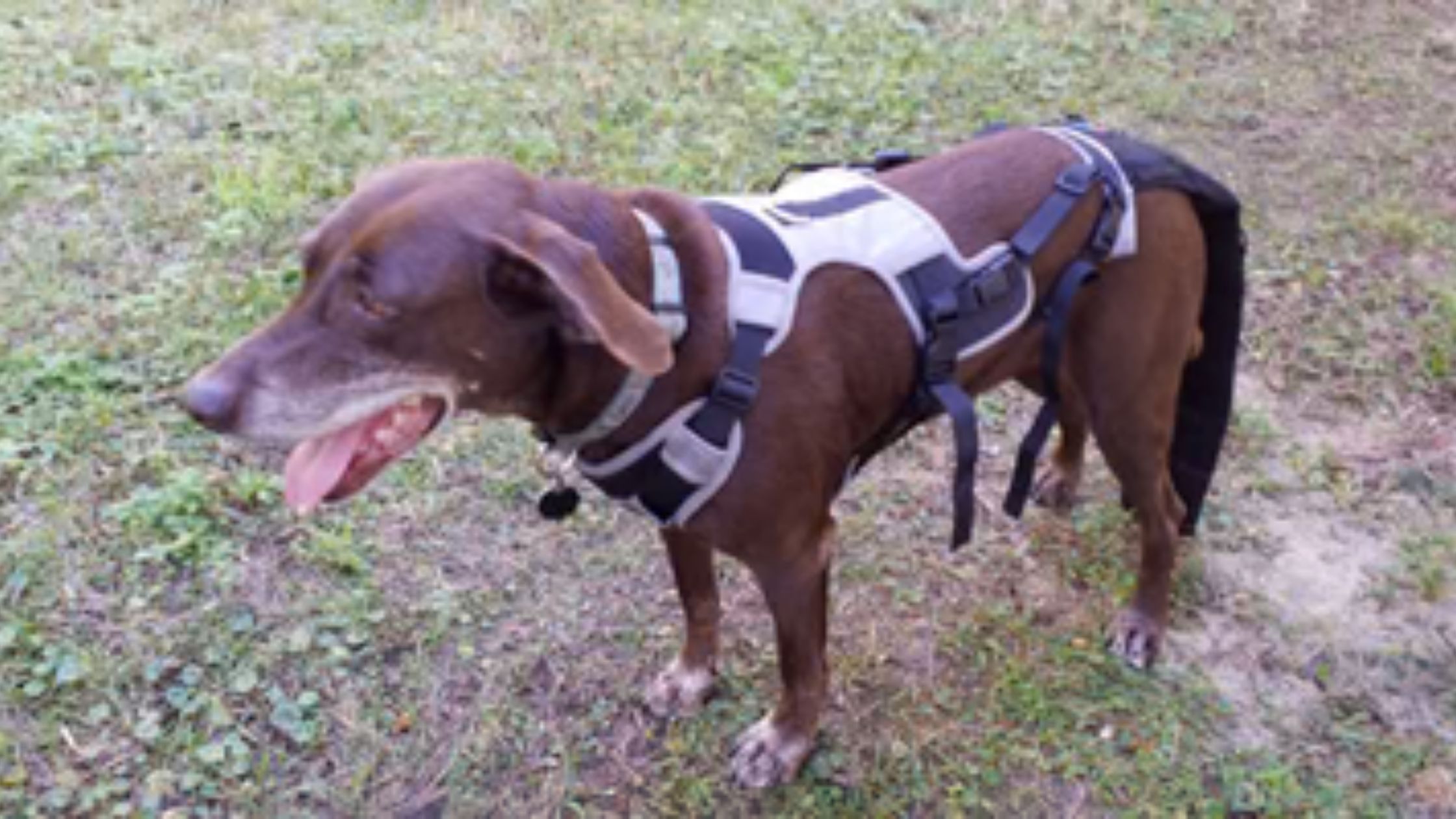
Tail injuries can be frustrating for dogs and their owners, especially when a wound keeps reopening after every wag. This problem is common in dogs with Happy Tail Syndrome, a condition in which repeated tail impacts cause cuts, bleeding, and damage to the tail tip. Choosing suitable tail covers for dogs can help protect the injured area from further impact and support the recovery process. However, the right solution should offer a secure fit, comfortable padding, and enough flexibility for normal movement.
Why Do Dogs Need Tail Protection?
Dogs with long, active tails may hit them against walls, furniture, kennel bars, or other hard surfaces. Even after a wound begins to heal, another impact can cause it to bleed again. Ordinary bandages may slip, loosen, or fall off, leaving the injured area exposed.
A purpose-built tail protector offers a different approach. It helps cushion the tail tip and keeps protective coverage in place during everyday activities. Breathable materials can also help manage moisture and improve comfort when the product is fitted correctly.
What to Look for in Tail Covers for Dogs
Not every protective cover suits every dog. Before choosing a product, owners should consider a few important features:
- Secure fit: Adjustable straps help keep the protection in position during movement.
- Soft padding: Cushioning helps reduce the impact of repeated contact with hard surfaces.
- Breathable materials: Airflow can help manage moisture around the covered area.
- Easy cleaning: Washable components make routine care more convenient.
- Comfort and mobility: The design should allow the dog to move without unnecessary rubbing or restriction.
Proper sizing matters just as much as the material. A loose cover may shift, while a tight one can cause discomfort. Owners should follow fitting instructions and check the skin regularly for irritation.
When Is a Dog Happy Tail Protector Helpful?
A dog happy tail protector may be useful for dogs with recurring tail-tip wounds, particularly when traditional bandages do not stay in place. It can provide an additional layer of physical protection while the injury heals.
However, protective equipment is not a substitute for veterinary care. Persistent bleeding, swelling, foul-smelling discharge, severe pain, or exposed tissue requires prompt veterinary attention. A veterinarian can assess the injury and recommend suitable treatment alongside protective measures.
How Happy TailSaver Helps Protect Injured Tails
Happy TailSaver developed its K9 TailSaver® system after the founder’s dog, Misty, experienced repeated tail injuries that were difficult to manage with conventional bandages. The product combines a padded Tail Cove with a supporting harness, wag strap, and anti-twist strap to help keep the protective covering secure.
The company also offers replacement sleeves and harnesses, fitting instructions, sizing guidance, and personalized customer support. Owners can contact the team for help with measurements, strap adjustments, and fit concerns. These resources can be especially useful when a dog needs ongoing protection, and its owner is unsure how to achieve a comfortable fit.
Conclusion
Choosing suitable tail covers for dogs means looking beyond basic coverage. Secure positioning, comfortable padding, breathable materials, and proper sizing all matter when protecting a vulnerable tail. For dogs experiencing repeated injuries, the K9 TailSaver system offers a purpose-built option supported by fitting resources and customer assistance. Visit Happy TailSaver to explore the available products and find guidance on choosing a suitable fit. Always consult a veterinarian about persistent or serious tail injuries.