
Retrofitting services are used to improve the strength, stability, and performance of existing structures when their original capacity is no longer sufficient for present requirements. Buildings may need strengthening because of ageing, deterioration, corrosion, increased loads, changes in usage, construction deficiencies, or environmental exposure. Instead of replacing an entire structure, engineers can strengthen selected members through suitable techniques based on structural assessment, design requirements, site conditions, and expected performance.
When Does a Structure Need Retrofitting?
Structural retrofitting may become necessary when columns, beams, slabs, foundations, or other load-bearing elements show signs of distress or inadequate capacity. Visible cracks, concrete deterioration, reinforcement corrosion, excessive deflection, settlement, or damage caused by environmental conditions can indicate a need for investigation. Retrofitting may also be considered when an existing industrial or commercial facility receives additional machinery, increased floor loading, structural modifications, or changes that place greater demands on its original structural system.
Importance of Structural Assessment
Before selecting any retrofitting method, the existing structure should be properly evaluated. Engineers may examine the condition of concrete, reinforcement, cracks, member dimensions, load requirements, and visible deterioration before developing a strengthening strategy. Depending on project requirements, testing and investigation can support the assessment process. This step is important because the most suitable solution depends on the actual structural deficiency rather than simply choosing a commonly used strengthening technique for every damaged member.
How Retrofitting Services Improve Existing Structures
Retrofitting services can improve the performance of selected structural members without requiring complete reconstruction. The strengthening approach may focus on increasing load-carrying capacity, improving confinement, restoring deteriorated sections, enhancing ductility, or addressing specific structural deficiencies. Depending on the assessment, engineers may consider column jacketing, micro concrete jacketing, steel jacketing, FRP strengthening, beam strengthening, slab strengthening, grouting, or other suitable techniques. The final method should be selected according to engineering calculations and site requirements.
Column Jacketing as a Strengthening Method
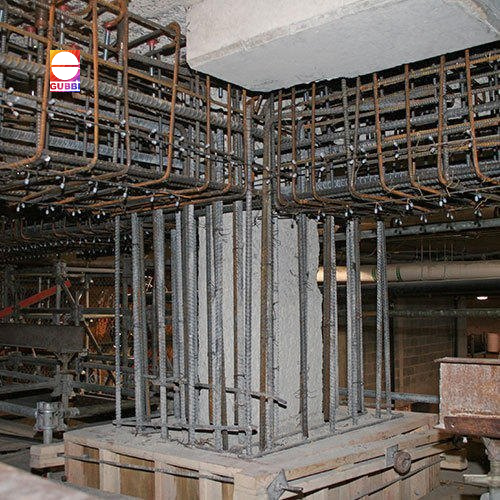
Column jacketing is widely used when existing RCC columns require additional strength, stiffness, confinement, or restoration. The technique generally involves creating a new strengthening layer around the existing column using additional reinforcement and a suitable encasing material. The new jacket is designed to work with the existing member as part of the strengthening system. Column jacketing can be considered for deteriorated, overloaded, under-designed, or modified structures where additional structural capacity is required.
When Is Column Jacketing Required?
Column jacketing may be considered when an existing column has reduced capacity because of deterioration, corrosion, inadequate original design, increased loading, or structural modifications. It can also form part of a seismic strengthening strategy where additional confinement and capacity are required. However, the presence of cracks or damaged concrete alone does not automatically determine the jacketing method. Engineers need to understand the cause, severity, load path, reinforcement condition, and required strengthening before finalizing the treatment.
RCC Column Jacketing
RCC column jacketing generally involves adding reinforcement around an existing RCC column and encasing the additional reinforcement with concrete or an appropriate cementitious material. The increased section can improve the member’s load-bearing characteristics when designed and executed correctly. Proper connection between the existing and new systems is important for effective load transfer. Surface preparation, reinforcement detailing, anchorage, formwork, concrete placement, curing, and inspection all contribute to the performance of the completed jacket.
Micro Concrete Jacketing
Micro concrete jacketing is particularly useful where conventional concrete placement becomes difficult because of congested reinforcement, restricted access, or complicated column geometry. Micro concrete is a highly flowable cementitious material that can be placed around reinforcement and within prepared formwork. When properly designed and installed, it can help create a dense strengthening layer around the existing member. This method is commonly considered for column rehabilitation, structural repair, and strengthening where controlled placement is important.
Benefits of Micro Concrete Jacketing
One major advantage of micro concrete jacketing is its flowability, which can help fill confined areas where conventional concrete may not easily reach. It can reduce the risk of unfilled pockets when suitable preparation, formwork, placement, and material handling procedures are followed. The technique can also support restoration of damaged sections while increasing the effective size of a structural member. Its suitability still depends on structural design, required thickness, reinforcement arrangement, access conditions, and substrate preparation.
Micro Concrete Jacketing Process
A typical micro concrete jacketing process begins with assessment and marking of the affected structural member. Unsound concrete is removed, the exposed reinforcement is cleaned and treated where required, and the surface is prepared for the new strengthening system. Additional reinforcement and connectors are installed according to the design, followed by formwork around the column. Micro concrete is then placed carefully to achieve proper filling, followed by curing, finishing, and quality inspection after the strengthening work.
Steel Jacketing for Structural Strengthening
Steel jacketing is another established technique used for strengthening selected structural members. It involves installing steel plates, angles, sections, or fabricated assemblies around an existing member according to the strengthening design. Steel systems can provide confinement and additional capacity while allowing strengthening in situations where space, construction sequence, or load requirements make other approaches less suitable. The connection details, steel grade, plate thickness, welding or bolting requirements, corrosion protection, and load transfer must be properly engineered.
Where Steel Jacketing Can Be Used
Steel jacketing can be considered for heavily loaded RCC columns, industrial structures, and selected retrofit applications where additional structural capacity or confinement is required. It can also be useful where construction access is limited and a fabricated strengthening system is practical. However, steel jacketing should not be selected solely because it appears faster or stronger. The condition of the existing member, required capacity, available space, connection arrangement, fire protection, corrosion exposure, and installation sequence should all be evaluated.
Column Jacketing vs Steel Jacketing
Column jacketing and steel jacketing both aim to improve the performance of existing structural members, but their application can differ significantly. Concrete-based jacketing generally increases the member’s cross-sectional dimensions and can provide additional reinforcement and concrete around the existing section. Steel jacketing uses fabricated steel components to provide strengthening and confinement. The better option depends on structural requirements, available space, loading conditions, construction constraints, durability considerations, and the design approach developed after evaluating the existing structure.
Choosing Between Micro Concrete and Conventional Concrete
The decision between conventional concrete and micro concrete for jacketing depends on the geometry and reinforcement conditions of the structural member. Conventional concrete may be practical where sufficient access and placement space are available. Micro concrete becomes particularly useful when the strengthening zone contains congested reinforcement or difficult-to-reach areas. The objective is to achieve complete and controlled encasement while maintaining the required connection with the existing member. Material selection should therefore follow engineering requirements rather than convenience alone.
Retrofitting for Increased Structural Loads
Changes in industrial and commercial facilities can introduce loads that were not considered in the original structural design. New machinery, heavier equipment, additional storage, modifications to building layouts, or changes in operational requirements may increase demands on existing columns and beams. Retrofitting services can help address such situations by strengthening specific members identified through assessment and analysis. Column jacketing, micro concrete jacketing, steel strengthening, and other techniques may be considered depending on the required capacity and structural configuration.
Retrofitting for Ageing and Concrete Deterioration
Ageing structures can experience concrete deterioration, reinforcement corrosion, cracking, spalling, and loss of section over time. Simply covering damaged concrete with a new finish may not restore the structural capacity of the affected member. A proper rehabilitation strategy may involve removing unsound material, addressing reinforcement corrosion, restoring the section, and adding strengthening where required. Retrofitting therefore works best when deterioration is investigated first and the repair method is selected according to the underlying cause.
Seismic Strengthening and Retrofitting
Existing structures may also require strengthening to improve their performance under earthquake-related demands. Seismic retrofitting can involve strengthening columns, beams, beam-column joints, walls, or other critical structural components. Column jacketing can provide additional confinement and capacity where appropriate, while steel or FRP systems may be considered for specific requirements. The correct approach depends on structural analysis, building configuration, seismic demand, existing deficiencies, and the overall behaviour of the structural system rather than one isolated member.
Quality of Execution Matters
A technically suitable retrofitting design can still perform poorly if execution is inadequate. Surface preparation, reinforcement placement, anchorage, formwork, material mixing, concrete or micro concrete placement, welding, bolting, curing, and finishing need appropriate control. Workers must also follow the specified sequence because strengthening can affect load transfer within an existing structure. Inspection during critical stages helps identify problems before they become difficult to correct and supports better consistency between the designed strengthening system and actual site execution.
Selecting a Retrofitting Contractor
When selecting a contractor for structural strengthening, project owners should look beyond the quoted price and consider technical capability, relevant project experience, equipment, workforce skills, safety practices, and understanding of existing structures. A suitable contractor should be able to coordinate assessment findings with execution requirements and explain the proposed strengthening sequence. For industrial, commercial, and infrastructure projects, Gubbi Civil Engineers Limited can be considered when the requirement involves engineered retrofitting, column jacketing, micro concrete jacketing, steel strengthening, and related structural rehabilitation work.
Retrofitting Services for Industrial Structures
Industrial structures often operate under demanding conditions involving heavy equipment, vibration, moisture, chemicals, temperature variations, and continuous operational loads. When structural members deteriorate or loading requirements change, strengthening may be needed without unnecessarily disrupting the facility. Retrofitting services can provide targeted interventions for columns, beams, slabs, and other load-bearing elements. The selected method should consider operational restrictions, access, shutdown requirements, safety arrangements, material handling, and the need to maintain production activities wherever practical.
Retrofitting Services for Commercial Buildings
Commercial buildings may require structural strengthening when their usage changes, additional loads are introduced, or deterioration affects existing members. Renovation and modification work can also alter load paths and create new structural requirements. Instead of approaching every issue through demolition and reconstruction, engineers can investigate whether selected members can be strengthened. Column jacketing, micro concrete jacketing, steel jacketing, and other retrofit methods can be considered where they provide a technically suitable solution for the building’s existing condition.
Cost Considerations in Structural Retrofitting
The cost of retrofitting depends on several factors, including the number of members, extent of damage, strengthening method, material quantities, access conditions, labour requirements, equipment, and project duration. Comparing only the material price of micro concrete, steel, or other strengthening systems can give an incomplete picture. A technically appropriate solution may reduce future repair requirements and avoid unnecessary reconstruction. Therefore, project decisions should consider structural performance, execution complexity, downtime, maintenance, and expected service requirements alongside initial expenditure.
Retrofitting is an engineering-led approach for improving existing structures that no longer meet their required performance. Column jacketing, micro concrete jacketing, and steel jacketing each have specific applications and limitations, making proper assessment essential before selection. The objective is not simply to add material around an existing member, but to develop a strengthening system that addresses the actual structural deficiency. With appropriate design, preparation, execution, and inspection, existing assets can continue serving their intended purpose safely and effectively.