
Most septic systems don’t fail overnight. They fail slowly, after years of solids building up, filters clogging and small issues going unnoticed. The good news is that a handful of routine habits keep nearly all systems healthy. This guide explains how often to pump, how aerobic systems differ, and how to choose a service company without overpaying.
What pumping actually does
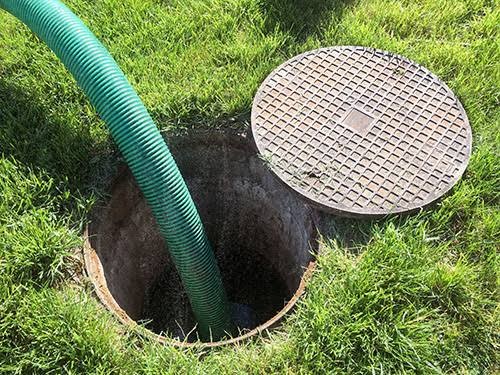
Inside a septic tank, solids settle to the bottom as sludge, while grease and light material float as scum. Bacteria break some of this down, but not all of it. Over time, the layers grow. If they reach the outlet, solids flow into the drain field and clog it, which is the most expensive part of the system to fix. Pumping and cleaning removes the buildup before it gets that far.
How often should you pump?
There’s no single answer, but these ranges are a solid starting point:
| Situation | Typical interval |
|---|---|
| Conventional tank, small household | Every 3 to 5 years |
| Larger household or heavy water use | Every 2 to 3 years |
| Garbage disposal in regular use | More often, since it adds solids |
| Aerobic system | Inspect about every 4 months, pump as the service report advises |
| Rental, vacation home or business | Based on actual use; ask your provider |
Tank size, the number of people in the home and your habits all shift the schedule. A service provider can measure sludge and scum levels to tell you what your system really needs.
Aerobic systems: maintenance matters more
Aerobic septic systems have motors, pumps, alarms and disinfection parts, so they need more attention than a simple tank. In Texas, they generally require a maintenance contract with a licensed provider, with visits roughly every four months. A typical visit checks the aerator, pump, float switches, alarm, disinfection stage and spray heads, and produces a written report. Tank pumping is added as needed. If you own an aerobic system, regular aerobic septic system maintenance is the best protection against a failure that can cost thousands.
Habits that stretch the time between pumpings
- Spread out water use. Running several loads of laundry in one day can flood the system.
- Fix leaking toilets and faucets, which add hundreds of gallons a day.
- Skip wipes, grease, paint, solvents and medications in the drains, even products labeled flushable.
- Go easy on the garbage disposal.
- Keep cars, sheds and deep-rooted trees away from the tank and field.
- Keep a record of pumping dates, inspections and repairs.
Signs you shouldn’t wait
Call a septic company promptly if you notice slow drains in several fixtures, gurgling pipes, sewage smell, soggy spots over the tank or field, or an alarm that won’t clear. Waiting turns a pumping call into a repair call.
What affects the cost of pumping
Expect pricing to depend on:
- Tank size and the number of tanks
- Depth and how easy the lids are to reach
- Distance the truck has to travel
- How full the tank is, and whether cleaning or filter work is needed
- After-hours or emergency scheduling
Affordable doesn’t have to mean cheapest. A low quote that skips cleaning the filters or checking the baffles isn’t a bargain. Ask what’s included, and expect a clear written price before the truck arrives.
How to choose a septic service company
When comparing providers, look for:
- Licensing and local experience, since every county handles permits a bit differently
- A clear scope: pumping, cleaning, an inspection of the tank and a written report
- Reasonable communication: they return calls and explain findings
- Real reviews from nearby customers
- Maintenance options, especially if you have an aerobic system
Many homeowners prefer local septic tank contractors who know the soil, the county rules and the weather, and can show up quickly when something goes wrong.
Why routine service saves money
A scheduled pumping and inspection costs a small fraction of a drain field replacement. It also gives you a chance to catch cracked baffles, worn pumps and early leaks. Providers of septic tank pumping and maintenance can tailor a schedule to your system, whether it’s a basic tank on a quiet lot or a busy household on aerobic treatment.
Where to find help across Central Texas
Septic needs change with the soil, from heavy clay in Bell County to shallow limestone around Williamson County. If you’re not sure whether a company works in your community, check the full list of service areas before you call.
The takeaway
Pump on a schedule, keep records, watch for early warning signs and use a provider who explains what they find. That simple routine is the difference between a system that lasts for decades and a repair bill nobody planned for.