
A liver transplant can offer a new beginning for people living with advanced liver disease or liver failure. However, recovery after surgery is just as important as the procedure itself. Healing takes time and often involves regular medical care, lifestyle changes, and support from family members and healthcare professionals.
Many people who undergo a liver transplant in Delhi receive guidance on post-operative care and long-term follow-up. Although recovery varies from person to person, understanding the common stages can help patients and caregivers feel more prepared.
The First Few Days After Surgery
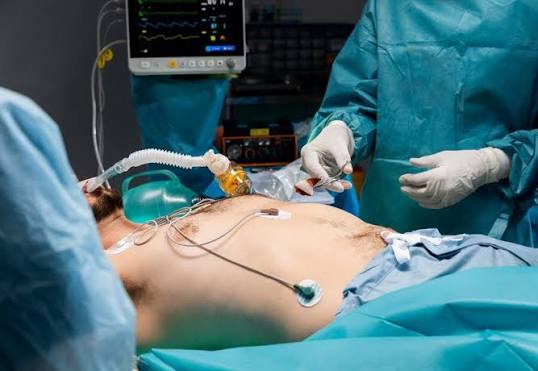
After the transplant, patients are usually moved to the intensive care unit for close monitoring. The healthcare team closely monitors heart rate, breathing, blood pressure, and liver function to ensure the transplanted liver is functioning well. Tubes and drains may also be used to remove excess fluids and deliver medicines.
The length of the hospital stay varies from person to person. Once the patient is stable, they are moved to a regular room before being discharged. During this period, gentle movement and following medical advice can support recovery.
Managing Pain and Physical Changes
Pain and discomfort are common after surgery. Patients may feel tired, weak, or sore around the incision site during the first few weeks. Doctors prescribe medicines to help manage these symptoms.
Some people also notice changes in appetite, sleep patterns, and energy levels. These issues usually improve gradually as the body heals. Although progress may seem gradual initially, most people steadily regain strength with appropriate care and rest.
Medicines and Their Role in Recovery
Medicines play an important role in protecting the transplanted liver. Patients need immunosuppressant medicines to prevent the body’s immune system from rejecting the new organ. These medicines are usually taken for life and should never be stopped without medical advice. Regular blood tests and follow-up appointments help doctors monitor liver function and adjust treatment as needed.
Patients recovering from a liver transplant may benefit from continued follow-up at specialised centres such as BLK-Max Super Speciality Hospital, where multidisciplinary transplant teams monitor liver function, adjust medications as needed, and provide personalised guidance throughout the recovery process.
Recognising Signs That Need Medical Attention
Although many people recover without major problems, certain symptoms should be discussed with a doctor promptly. Early medical attention can help identify and manage complications.
Some signs that require medical advice include:
- Fever or Chills: These may indicate an infection.
- Increasing Pain or Swelling: Persistent discomfort may require further evaluation.
- Yellowing of the Skin or Eyes: This could suggest changes in liver function.
- Persistent Vomiting: Ongoing vomiting can lead to dehydration.
- Difficulty Breathing: Report breathing problems immediately.
- Sudden Weight Gain or Leg Swelling: These symptoms may need further assessment.
Not every symptom indicates a serious problem, but informing the healthcare team about any concerning changes can support timely treatment.
Returning to Everyday Activities
Most patients are encouraged to begin walking and carrying out light activities soon after surgery. Gentle movement can improve circulation and support healing. However, heavy lifting and strenuous exercise should be avoided until the doctor advises otherwise.
The time needed to return to work and normal routines varies from person to person. Age and overall health can influence recovery, and most people gradually regain strength over the following months.
Nutrition and Healthy Habits After a Liver Transplant
A balanced diet is an important part of recovery and long-term health. Healthy eating habits can support healing and help maintain the transplanted liver’s function.
Some habits that are often recommended include:
- Eating a Balanced Diet: Include fruits, vegetables, whole grains, and lean proteins.
- Staying Hydrated: Drinking enough water supports recovery.
- Limiting Salt and Sugar: Reducing these foods can support overall health.
- Maintaining a Healthy Weight: This can help protect long-term liver health.
People who have undergone a liver transplant in Delhi or elsewhere are often advised to follow these habits as part of their ongoing care.
Conclusion
Recovery after a liver transplant is a gradual journey that involves physical healing, emotional adjustment, and ongoing medical care. Patients may experience changes in their energy levels, daily routines, and overall well-being during this period. Following medical advice, taking prescribed medicines regularly, attending follow-up appointments, and maintaining healthy lifestyle habits can support a smoother recovery. Although the process takes time, many people regain strength and adapt well to life after transplantation, leading to better health and an improved quality of life.