
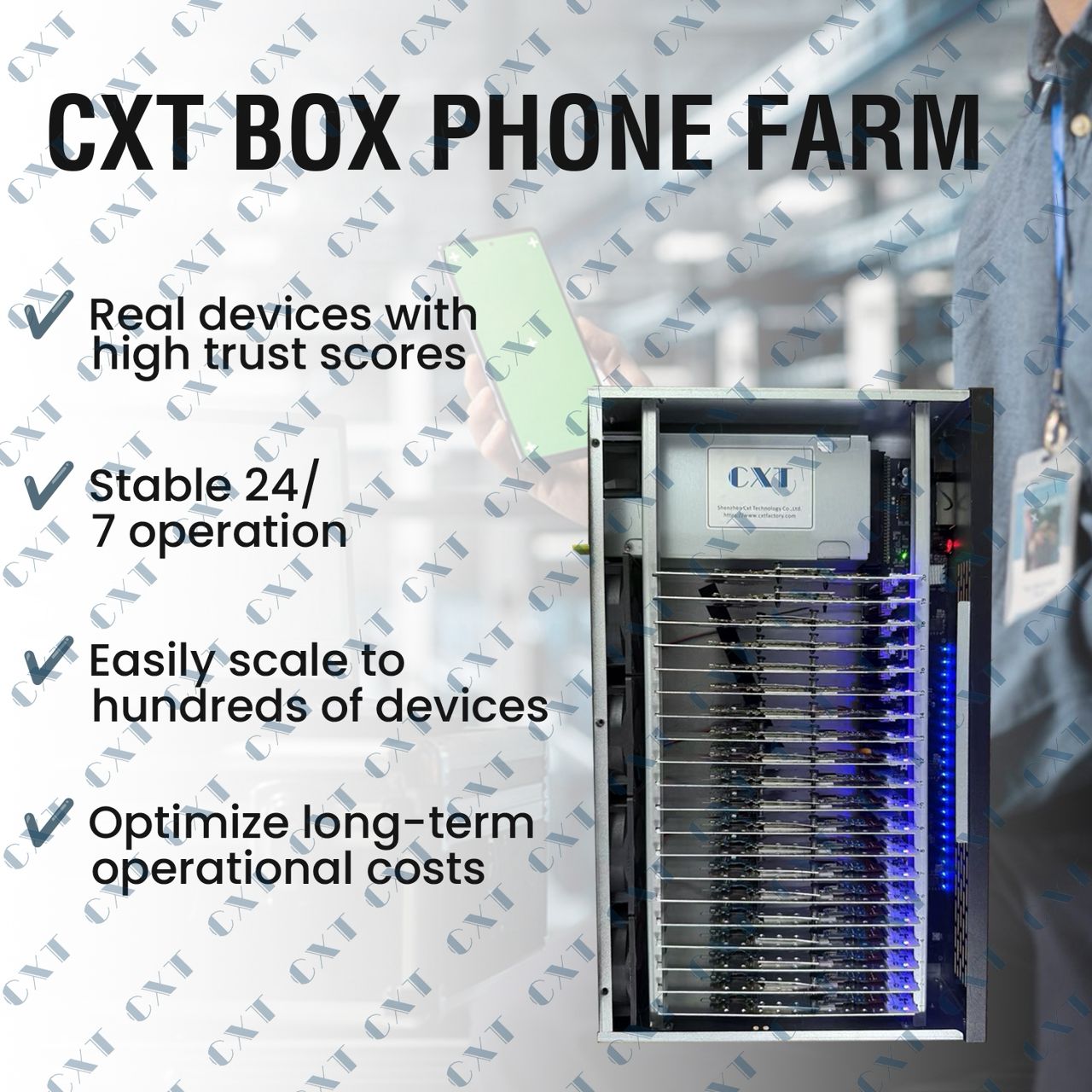
Running a large phone farm sounds exciting until reality hits – tangled cables, overheating devices, and circuit breakers tripping at 2 AM. Whether you’re managing automation tasks, app testing, or large-scale operations using a bot farm setup, the physical infrastructure behind it all deserves serious attention. Most guides talk about software. This one is about the stuff nobody warns you about until something breaks.
Getting Your Power Setup Right
Electricity is honestly the first thing that will humble you when scaling up. Each smartphone in a mobile phone farm draws anywhere from 5W to 15W depending on workload. Multiply that by hundreds of devices and you’re looking at significant, sustained power loads.
A few things worth keeping in mind:
- Use dedicated circuits for your device rows – sharing a circuit with other equipment is asking for trouble
- PDUs (Power Distribution Units) with individual outlet monitoring let you catch unusual draw early
- Always factor in a 20–25% headroom above your calculated total load; bursts happen
Cheap power strips are a false economy here. Invest in industrial-grade solutions, because a single failure can cascade into device damage or worse.
Thermal Management: The Real Silent Killer
Heat is your biggest ongoing enemy in a mobile phone farm environment. Phones throttle under sustained thermal stress, which tanks performance and throws off your data. Worse, prolonged heat shortens battery lifespan dramatically.
Rack positioning matters more than people realize. Vertical mounting with spacing between devices allows passive convection to do some of the work. But passive cooling alone rarely cuts it past a certain density threshold. Dedicated cooling systems – whether that’s precision AC units, targeted airflow ductwork, or active cooling enclosures – become necessary at scale.
Keep an eye on ambient room temperature too. Ideally you want the room sitting around 18–22°C. A cheap temperature logger placed near your densest device cluster will tell you a lot about your actual conditions versus what you assume they are.
Space Planning and Physical Organization
A disorganized phone farm is a slow-motion disaster. When something goes wrong – and it will – you need to reach the right device fast.
Practical approaches that actually work:
- Label every device and its corresponding port on your hub or switch; visual labels plus a digital map saves enormous time
- Design your rack layout so that the highest-maintenance devices sit at the most accessible positions
- Leave service aisles; cramming devices wall-to-wall looks efficient until you need to swap a unit at 11 PM
Modular shelving systems designed for electronics work far better than repurposed furniture. The airflow geometry alone justifies the cost difference.
Cable Management: Underrated and Overlooked
Nothing degrades a setup faster than poor cable discipline. In any large phone farm, USB cables especially have a habit of working loose over time with any vibration or minor movement. Velcro ties, cable channels, and right-angle connectors aren’t luxury items – they’re maintenance tools that save hours of troubleshooting.
Color-coded cables by row or function make fault isolation dramatically faster when you’re staring at a wall of devices trying to figure out which one has dropped connection.
Monitoring and Alerts
At scale, manual checking is simply not viable. Smart power strips with per-outlet metering, environmental sensors, and device health dashboards should all feed into a centralized monitoring layer. Catching a thermal spike or power anomaly early is always cheaper than dealing with the aftermath.
At Cxtfactory, we design and supply hardware solutions built specifically for large-scale bot farm and mobile device deployments. If you’re scaling up and want equipment that’s been engineered for these exact challenges, reach out to us — we’d be glad to help you build something solid.