
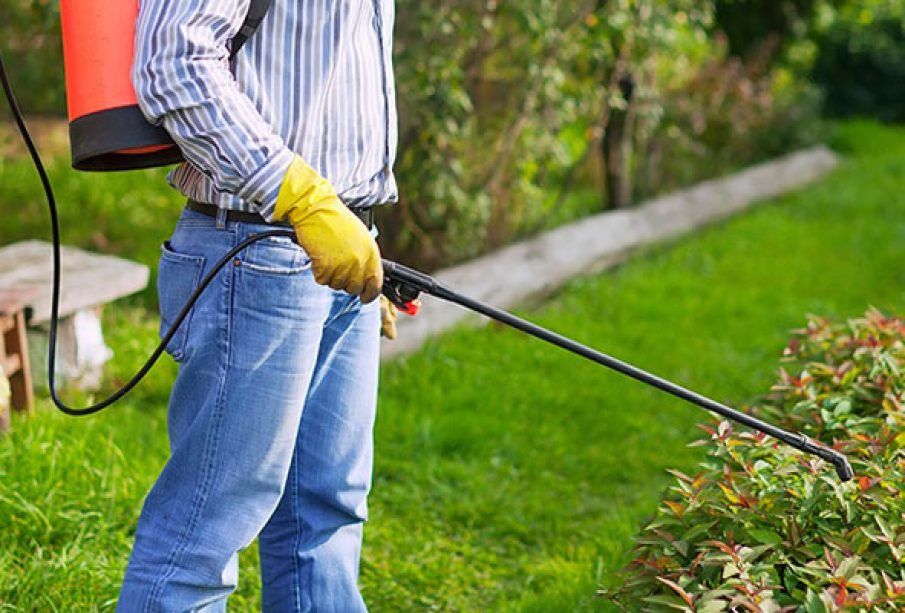
A healthy lawn adds beauty and value to any property. Green grass creates a clean outdoor space where families can relax, children can play, and guests can gather. However, weeds can quickly affect the appearance and health of a lawn. They compete with grass for water, sunlight, nutrients, and growing space. Without proper care, weeds can spread across large areas and make grass look thin and uneven. A professional lawn weed control service helps homeowners manage unwanted plants and maintain a healthier yard throughout the year.
Why Lawn Weed Control Matters?
Weeds do more than affect the appearance of outdoor spaces. They also compete with grass for the resources it needs to grow. Many common lawn weeds develop strong root systems that allow them to spread quickly. Some weeds produce large numbers of seeds, which can create new growth across the yard.
When weeds become established, grass may struggle to receive enough sunlight and nutrients. This can lead to weak growth, bare patches, and uneven coverage. A regular lawn weed control program helps reduce these problems before they become difficult to manage.
Proper weed control also supports the overall condition of the soil. Removing unwanted plants gives desirable grass more room to grow. It also helps homeowners maintain a lawn that looks neat and receives more consistent care.
Common Weeds Found in Residential Lawns
Different weeds grow under different conditions. Some prefer moist soil, while others spread easily through dry or compacted areas. Understanding the types of weeds in a lawn helps determine the right treatment.
Crabgrass is a common summer weed that grows close to the ground. It spreads outward and produces seeds that can create more growth during the next growing season. Dandelions are another familiar lawn weed. Their deep roots make them difficult to remove by simply cutting off the visible leaves.
Clover can spread through low growing stems and form patches in grassy areas. Nutsedge often appears in damp soil and grows faster than nearby grass. Chickweed and plantain also appear in residential lawns, especially where soil conditions support their growth.
Each weed requires a suitable control method. A treatment that works well against broadleaf weeds may not provide the same results against grassy weeds. Professional identification helps avoid unnecessary applications.
Benefits of Professional Weed Control
Professional lawn weed control service offers a planned approach to managing unwanted plants. Instead of treating visible weeds without understanding their cause, trained lawn care professionals assess the property and select suitable treatments.
A professional service can identify weed types, examine grass conditions, and recommend a treatment schedule. This approach helps address current weed growth while reducing the chance of future problems.
Regular weed management can provide several benefits:
- Better lawn appearance with fewer unwanted plants competing with grass.
- Improved growing conditions by giving healthy grass more access to water, sunlight, and nutrients.
- More consistent lawn care through seasonal inspections and planned treatments.
Professional services also help homeowners avoid applying the wrong products or using incorrect amounts. Product selection and application timing both affect treatment results.
Pre Emergent Weed Control
Pre emergent weed control helps prevent certain weeds from developing after seeds begin to germinate. These treatments work in the soil and create a barrier that stops targeted weed seedlings from establishing.
Timing plays an important role in this process. Many summer weeds begin growing when soil temperatures rise in spring. Applying a suitable pre emergent product before germination can help reduce their appearance.
Fall applications may also help control certain winter annual weeds. The exact schedule depends on the weed species, grass type, soil conditions, and local weather.
Pre emergent products do not remove established weeds. They work as a preventive measure, so homeowners should combine them with other lawn care practices when necessary.
Post Emergent Weed Treatments
Post emergent treatments target weeds that have already appeared. These products can control visible weeds without requiring homeowners to remove every plant by hand.
The correct treatment depends on the weed species and the condition of the lawn. Selective herbicides target certain weeds while protecting compatible grass types when applied according to their labels. Nonselective products can damage most plants they contact, including desirable grass.
Professional lawn care technicians evaluate the affected areas before selecting a treatment. They also consider wind, rain, temperature, and other conditions that may affect application.
A well planned treatment helps control active weeds while limiting unnecessary exposure to nearby plants.
Seasonal Lawn Weed Control
Weed growth changes throughout the year. A seasonal approach helps homeowners address different problems as they develop.
Spring is an important time for preventive weed control. Crabgrass and other warm season weeds may begin growing as temperatures increase. Early treatment can reduce their chances of becoming established.
Summer requires attention to active weed growth. Heat, limited rainfall, and foot traffic can weaken grass and create open spaces where weeds spread. Proper watering and mowing help grass remain competitive.
Fall provides another opportunity to control certain weeds and prepare the lawn for cooler weather. Some weeds develop during this season and continue growing through winter.
Winter generally requires less active weed treatment in many areas, but lawn inspections and equipment planning can help prepare for spring.
Lawn Conditions That Encourage Weed Growth
Weeds often appear where grass struggles to grow. Poor soil conditions, compacted ground, incorrect mowing, and irregular watering can all contribute to weed problems.
Soil compaction reduces the movement of air and water through the ground. Grass roots may struggle to develop in compacted areas, leaving open spaces for weeds. Core aeration can help improve soil movement and support stronger root growth.
Incorrect mowing also creates problems. Cutting grass too short can expose the soil and weaken the plants. Each grass variety has a suitable mowing height, and following that range helps maintain thicker coverage.
Watering practices matter as well. Frequent shallow watering can encourage weak root development. Deep watering at appropriate intervals helps grass develop stronger roots.
Safe and Responsible Weed Control
Responsible weed management begins with correct product selection. Lawn treatments must match the grass variety, weed type, and site conditions. Applying the wrong product can damage grass, ornamental plants, or nearby landscaping.
Homeowners should follow all product label instructions. They should also respect any restrictions involving people, pets, watering, and treated areas.
Professional technicians understand the importance of application rates and timing. They can explain treatment instructions and help homeowners understand when they can safely use the lawn again.
Integrated weed management also includes nonchemical methods. Proper mowing, soil improvement, hand removal, and regular inspections can reduce weed pressure over time.
Why Regular Lawn Inspections Are Important
A lawn can develop weed problems gradually. Small patches may seem harmless at first, but certain weeds spread through roots, stems, or seeds. Regular inspections help identify these problems while they remain manageable.
A lawn care professional can examine areas near sidewalks, driveways, garden beds, fences, and trees. These locations may have different soil and moisture conditions than the rest of the yard.
Inspections also help identify thinning grass, drainage concerns, and pest damage. Addressing these conditions can improve the results of a weed control program.
Choosing a Lawn Weed Control Company
Homeowners should look for a company that understands local grass types, seasonal weed growth, and regional soil conditions. A good lawn care provider should inspect the property before recommending treatments.
Clear communication is another important factor. Customers should understand which weeds the service targets, what treatments the company plans to use, and how often the lawn needs attention.
A reliable company should also explain the limits of each treatment. Weed control does not produce permanent results from one visit. Long term lawn health requires consistent care and suitable growing conditions.
Conclusion
Lawn weed control plays an important role in keeping residential and commercial outdoor spaces healthy and attractive. Regular inspections, suitable treatments, proper mowing, and balanced watering help reduce unwanted growth and support stronger grass. Homeowners who invest in professional weed management can maintain cleaner lawns and prevent small weed problems from spreading.
Holloman Lawn Care Services LLC is the best company for professional lawn weed control service in Suffolk, VA and its surrounding areas. The company provides lawn care solutions that help property owners manage unwanted weeds and maintain healthier outdoor spaces. Contact Holloman Lawn Care Services LLC to discuss your lawn care needs and schedule professional weed control service.
Frequently Asked Questions
1. How often should I schedule lawn weed control?
The schedule depends on the weed types, grass variety, and lawn conditions. Many properties benefit from seasonal treatments and regular inspections throughout the growing season.
2. When is the best time to apply weed control?
Spring and fall are important treatment periods. Spring treatments can prevent certain summer weeds, while fall treatments can target winter annual weeds.
3. Can weed control treatments damage my grass?
Incorrect products or application rates can damage grass. Professionals select treatments that match the lawn type and follow product label instructions.
4. Does lawn weed control remove all weeds permanently?
No. New weeds can develop from seeds carried by wind, water, animals, and nearby properties. Regular maintenance helps keep weed growth under control.
5. Should I mow before a weed control treatment?
It depends on the product and treatment method. Follow the technician’s instructions because some treatments require enough leaf growth for proper absorption.
6. Can I water my lawn after weed treatment?
Watering instructions vary by product. Some treatments require dry conditions for a certain period, while others need water to activate them. Always follow the application instructions.