
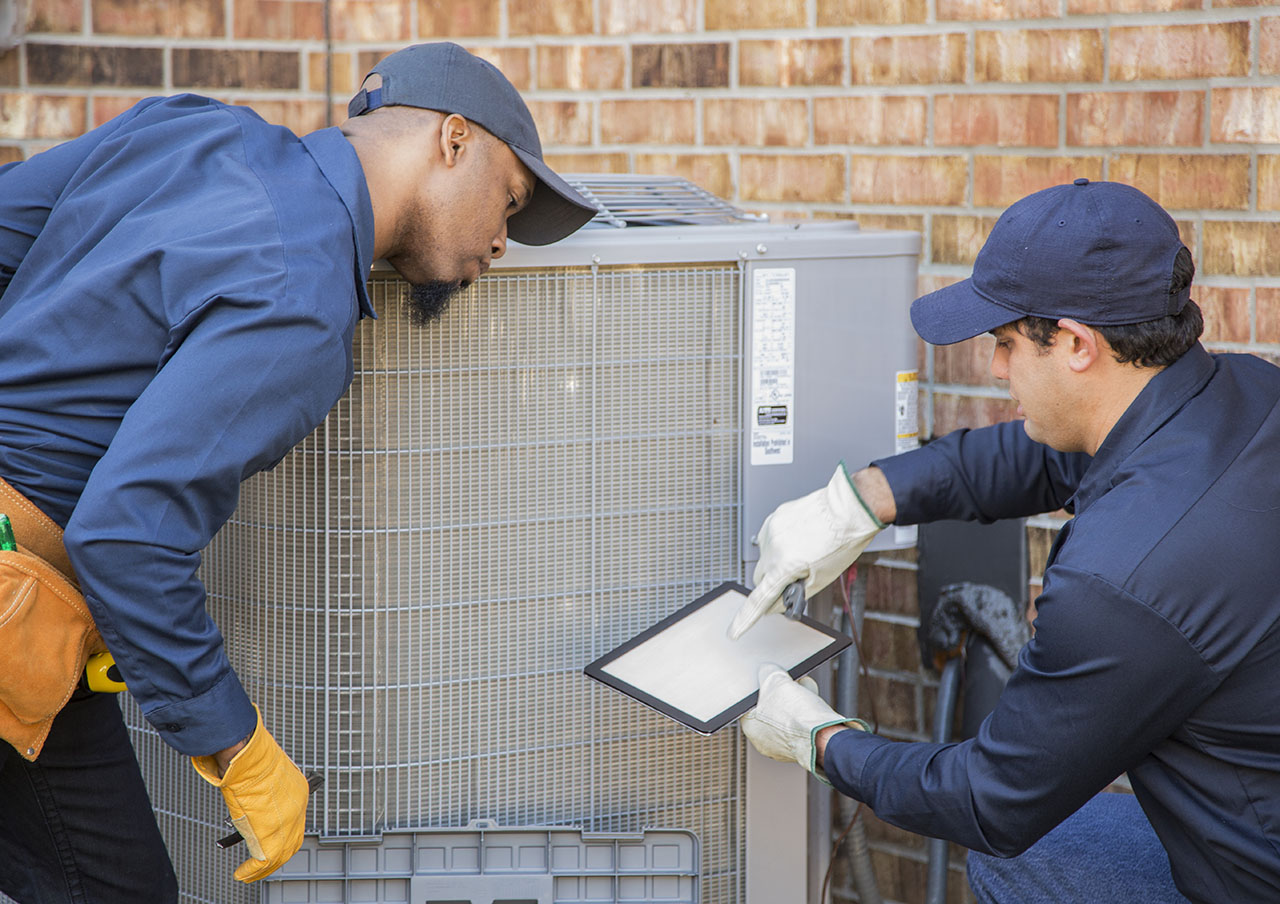
A comfortable indoor environment depends on a heating and cooling system that matches the needs of the property. Whether it is a residential home, office, or commercial building, the right equipment can help maintain pleasant temperatures throughout the year. However, choosing suitable equipment is only one part of the process. Correct sizing, proper connections, and careful testing are also important for reliable operation. HVAC Installation involves several steps that help ensure the heating, ventilation, and air conditioning system works as intended. Understanding these steps can help property owners make better decisions when planning a new system.
Choosing the Right HVAC System
The first step is selecting equipment that suits the property’s size, layout, and heating and cooling requirements. Different buildings may need different solutions depending on their insulation, windows, ceiling height, occupancy, and local climate. Common options include central air conditioners, heat pumps, furnaces, and ductless mini-split systems. Each type has its own features, operating requirements, and installation needs. Property owners should compare these options before choosing equipment for their building.
System capacity is another important consideration. A unit that is too small may struggle to maintain the desired temperature, while an oversized system may switch on and off too frequently. Both situations can affect comfort and energy use. A qualified technician can evaluate the property and calculate the appropriate equipment capacity. Proper planning helps HVAC Installation provide consistent indoor temperatures without placing unnecessary strain on the system.
Preparing the Property for Installation
Before new equipment is installed, the existing heating and cooling setup should be inspected. This may include checking ductwork, electrical connections, drainage, ventilation, refrigerant lines, and thermostat compatibility. If the property already has an HVAC system, the technician may assess whether its existing components can work with the new equipment. Damaged ducts, loose connections, and blocked air passages should be addressed before the installation is completed.
The installation area must also be suitable for the selected equipment. Indoor units need enough space for airflow and future maintenance, while outdoor units require a stable location with proper clearance. Equipment should be positioned according to manufacturer instructions and applicable building requirements. Careful preparation can reduce installation delays and help prevent problems that may affect system performance later.
The HVAC Installation Process
The installation process depends on the type of equipment being fitted. In many projects, the technician first removes the old unit and prepares the area for the new system. The next steps may include positioning the equipment, connecting electrical wiring, installing refrigerant lines, checking drainage, and connecting ductwork where required. Every connection must follow the manufacturer’s instructions and relevant safety standards.
After the main work is complete, HVAC Installation in Las Vegas should include system testing and performance checks. The technician should verify that the equipment starts correctly, responds to thermostat settings, and distributes conditioned air properly. Airflow, electrical connections, drainage, and other important functions should be checked before the system is handed over. These final steps help identify installation problems before the equipment enters regular use.
Why Proper Ductwork Matters
Ductwork plays an important role in systems that distribute heated or cooled air through connected passages. Poorly sealed ducts can allow conditioned air to escape before it reaches the rooms where it is needed. This can create uneven temperatures and increase the amount of time the equipment operates. Damaged, poorly sized, or blocked ducts may also affect airflow and overall system performance.
During an installation project, technicians should inspect the existing duct system to determine whether it is suitable for the new equipment. Some properties may need duct sealing, repairs, or adjustments to improve air distribution. Homes without traditional ductwork may benefit from ductless equipment, depending on their layout and requirements. Proper duct planning helps the new HVAC system deliver air more effectively throughout the property.
Improving Energy Efficiency and Indoor Comfort
Modern heating and cooling equipment may include features designed to manage energy use and maintain consistent temperatures. Variable-speed motors, programmable thermostats, and improved filtration options are examples of features available on certain systems. However, equipment efficiency depends on more than its advertised rating. Correct sizing, installation quality, insulation, ventilation, and regular maintenance all influence how well a system performs.
A well-planned HVAC Installation can also provide an opportunity to improve indoor comfort. Property owners may consider better thermostat placement, suitable filtration, and improvements to existing insulation. Sealing gaps around doors and windows can help prevent conditioned air from escaping. These improvements work together with the heating and cooling equipment to support a more comfortable indoor environment.
Maintaining the New HVAC System
Once installation is complete, regular care helps keep the equipment in good working condition. Air filters should be checked and replaced according to manufacturer recommendations. Outdoor units should remain clear of leaves, dirt, and other debris, while indoor vents and return-air openings should not be blocked. Homeowners should also pay attention to unusual sounds, weak airflow, water leaks, or unexpected changes in energy use.
Professional inspections should be scheduled according to the equipment manufacturer’s maintenance guidance. A technician can inspect important components, test controls, check airflow, and identify signs of wear. Keeping installation documents, warranty details, and service records can also make future maintenance easier. With suitable equipment, careful HVAC Installation, and regular attention, property owners can support dependable heating and cooling and maintain indoor comfort throughout the year.