
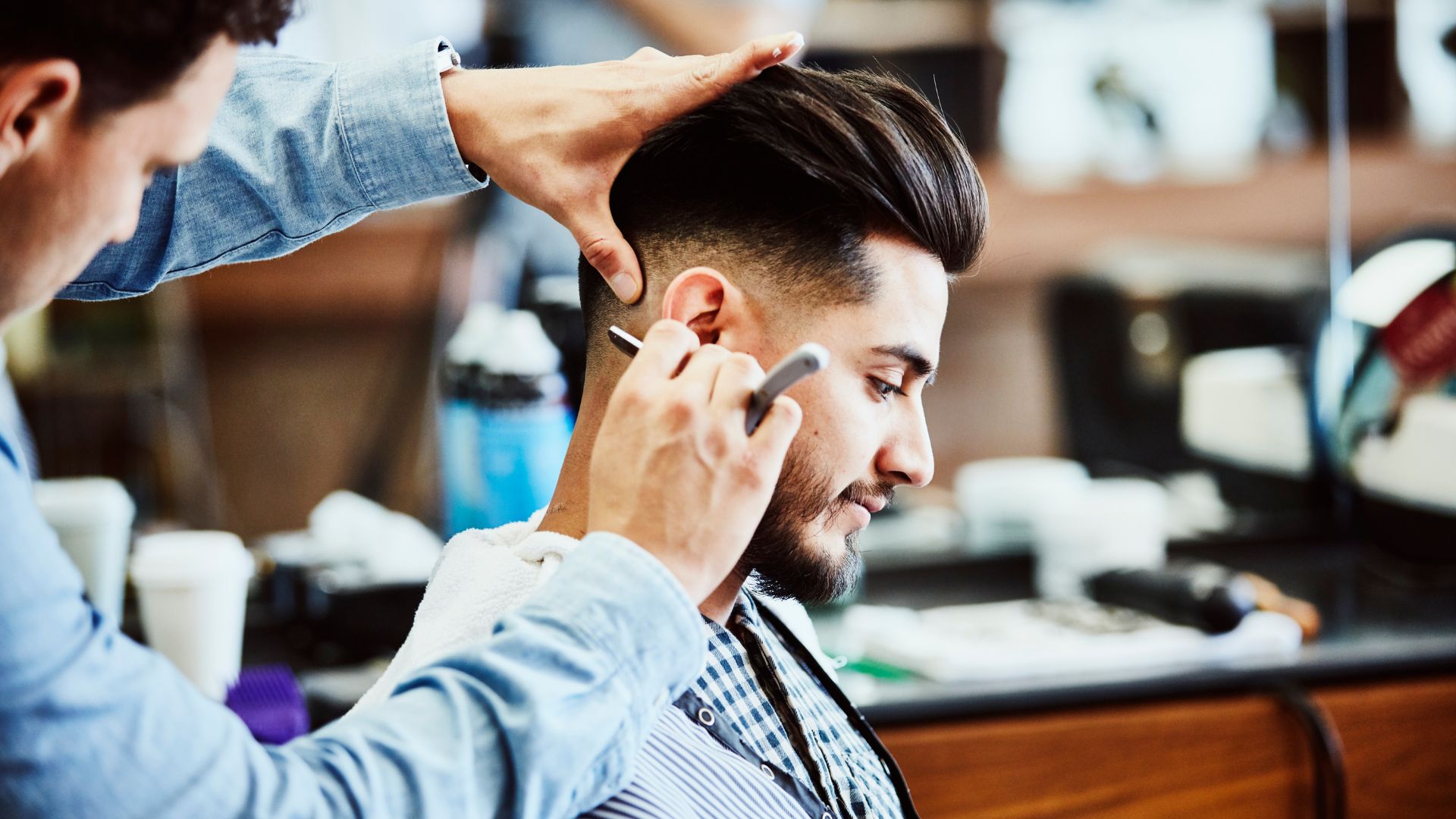
Have you ever walked out of a barbershop feeling disappointed because your haircut didn’t turn out the way you expected? You’re not alone. One of the most common frustrations men experience is struggling to communicate their desired hairstyle clearly. Often, the issue isn’t the barber’s skill—it’s a breakdown in communication between the client and the barber.
A great haircut starts long before the clippers come out. It begins with a clear conversation about your expectations, preferences, lifestyle, and hair type. Learning how to explain exactly what you want can dramatically improve your barbering experience and help you consistently achieve the look you’re aiming for.
Why Communication Matters During a Haircut
Your barber isn’t a mind reader. While experienced barbers can make recommendations and interpret basic instructions, they still rely on the information you provide. Terms like “short on the sides” or “just clean it up” can mean different things to different people.
Think of getting a haircut like ordering a custom-built car. The more details you provide, the closer the final result will match your vision. Effective communication helps eliminate misunderstandings and ensures both you and your barber are working toward the same goal.
Know What Hairstyle You Want Before You Arrive
The first step is deciding what style you’re looking for before sitting in the barber chair. Many people arrive with only a vague idea of what they want, making it difficult for the barber to deliver the desired result.
Ask yourself:
- Do I want to keep my current style?
- Am I looking for something shorter?
- Do I want a trendy haircut or a classic look?
- How much daily styling am I willing to do?
Having a clear vision makes the entire process smoother and more productive.
Bring Reference Photos
One picture can communicate more effectively than several minutes of explanation. Reference photos eliminate guesswork and give your barber a visual understanding of your expectations.
Tips for Using Reference Photos
- Choose photos with similar hair texture to yours.
- Bring multiple angles if possible.
- Select realistic styles that suit your hair type.
- Save images with good lighting and clear details.
Photos help bridge the gap between barber terminology and personal interpretation.
Learn Basic Barber Terminology
Understanding a few common barber terms can significantly improve communication.
Common Haircut Terms
| Term | Meaning |
|---|---|
| Fade | Hair gradually transitions from short to longer lengths |
| Taper | A subtle shortening around the neckline and sideburns |
| Texture | Added movement and separation in the hair |
| Layering | Different lengths to create shape and volume |
| Hard Part | A shaved, defined part line |
| Skin Fade | Fade that blends down to the skin |
Knowing these terms allows you to describe your desired haircut more accurately.
Be Specific About Length
One of the biggest sources of confusion is hair length. What seems “short” to one person may seem “long” to another.
Instead of saying:
- “Take a little off the top”
Try saying:
- “Leave about two inches on top.”
- “Trim half an inch from the length.”
- “Keep enough length to style a quiff.”
Specific measurements give your barber a much clearer understanding of your expectations.
Explain How You Style Your Hair
Your daily grooming routine plays a major role in determining the best haircut for you. If you spend only a few minutes styling your hair each morning, certain hairstyles may not be practical.
Tell your barber:
- How much time you spend styling
- Which products you use
- Whether you prefer low-maintenance haircuts
- How often you get haircuts
This information helps your barber recommend styles that fit your lifestyle rather than just your appearance.
Discuss Your Hair Type
Not all hairstyles work with every hair type. Straight, wavy, curly, thick, and fine hair each behave differently.
Hair Type Considerations
| Hair Type | Best Approach |
| Straight Hair | Structured styles work well |
| Wavy Hair | Textured cuts enhance movement |
| Curly Hair | Layering controls volume |
| Thick Hair | Thinning techniques may help |
| Fine Hair | Volume-focused cuts create fullness |
Your barber can tailor the haircut to work with your natural hair texture rather than against it.
Mention What You Don’t Like
Many people focus only on what they want but forget to mention what they dislike. This information can be equally valuable.
Examples include:
- “I don’t like my hair too short on top.”
- “I don’t want a very high fade.”
- “I prefer a natural hairline.”
- “I don’t want to spend much time styling.”
Sharing dislikes helps prevent misunderstandings and ensures the haircut aligns with your preferences.
Ask Questions During the Consultation
A haircut consultation shouldn’t be one-sided. Feel free to ask your barber questions before the haircut begins.
Helpful questions include:
- Will this style suit my face shape?
- How much maintenance does this haircut require?
- What products should I use?
- How often should I return for trims?
A professional barber will appreciate your interest and provide guidance based on their expertise.
Speak Up During the Haircut
Many clients remain silent throughout the haircut and only express concerns after it’s finished. If you notice something that doesn’t align with your expectations, politely mention it while the haircut is still in progress.
For example:
- “Could we leave a little more length on top?”
- “Can we keep the fade slightly lower?”
- “I’d like a softer transition here.”
Most adjustments are much easier to make during the haircut than after it’s completed.
Understand the Limits of Your Hair
Sometimes the hairstyle you want may not be achievable with your current hair type, density, or growth pattern. A good barber will explain these limitations honestly and recommend alternatives that achieve a similar look.
Being open to professional advice can often lead to better results than insisting on a style that isn’t suited to your hair.
Build a Relationship with Your Barber
Consistency often leads to better haircuts. Once a barber becomes familiar with your preferences, hair texture, growth patterns, and personal style, communication becomes easier.
Over time, your barber learns:
- Your preferred length
- How your hair grows
- Which styles suit you best
- Your grooming habits
This relationship helps ensure more consistent results with each visit.
Why Choosing the Right Barber Matters
Even excellent communication works best when paired with an experienced professional. Skilled barbers can interpret your requests, provide expert recommendations, and customize styles to suit your features.
If you’re looking for personalized grooming advice and professional haircut consultations, visiting a reputable Barber Shop Narre Warren South can help you communicate your goals effectively while receiving expert recommendations tailored to your hair type and lifestyle.
A knowledgeable barber can often identify details you may not have considered yourself.
Common Communication Mistakes to Avoid
Many haircut disappointments result from avoidable communication errors.
Avoid These Mistakes
- Arriving without a clear idea of what you want
- Using vague descriptions
- Assuming the barber knows your preferences
- Not bringing reference photos
- Staying silent during the haircut
- Ignoring your hair type’s limitations
Clear communication dramatically increases the likelihood of a successful haircut.
Final Thoughts
Learning how to tell your barber exactly what you want is one of the most valuable grooming skills a man can develop. A great haircut depends on more than just technical skill—it requires effective communication, realistic expectations, and a shared understanding between you and your barber.
By bringing reference photos, learning basic barber terminology, discussing your lifestyle, and communicating openly throughout the process, you can consistently achieve haircuts that match your vision. The better you communicate, the better your results will be, helping you leave the barbershop feeling confident and satisfied every time.