
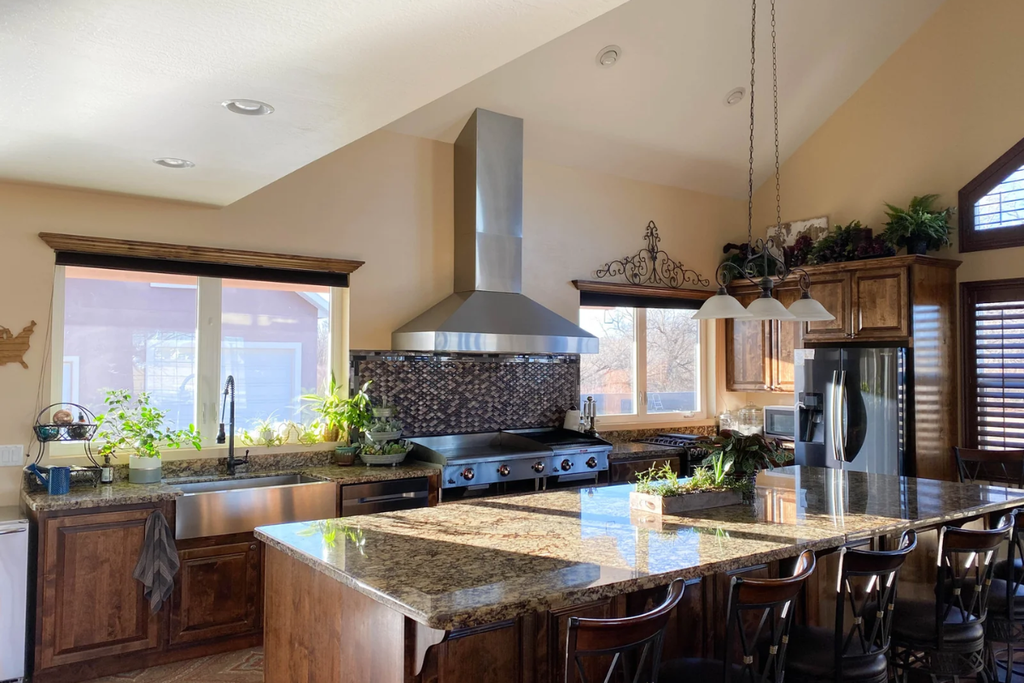
A well-designed kitchen combines practical ventilation with a layout that feels comfortable and visually balanced. The range hood plays an important role by capturing smoke, grease, steam, and cooking odors before they spread throughout the home. For larger cooking areas, a 42 inch vented range hood can provide broad coverage while complementing the proportions of a spacious cooktop or range.
Choosing the right model involves more than measuring the appliance. Homeowners should consider ventilation performance, ductwork, mounting height, noise, maintenance, and overall kitchen design. Understanding these factors helps create a cooking space that performs efficiently without compromising its appearance.
1. Measure the Cooking Area Carefully
Before selecting a 42 inch vented range hood, measure the cooking appliance and the available installation space. Hood width should generally match or exceed the width of the cooking surface, subject to manufacturer recommendations and local requirements.
A 42-inch model can be suitable for a wider range or cooktop, particularly when the cooking area produces substantial heat and smoke. However, the correct dimensions also depend on the hood’s depth, mounting position, and capture area.
Check nearby cabinets, ceiling height, backsplashes, and decorative features. Accurate measurements help prevent installation conflicts and ensure that the hood integrates naturally with the surrounding cabinetry.
2. Understand the Benefits of External Venting
A vented range hood moves cooking exhaust outside through a duct system. Unlike a recirculating unit, which filters air and returns it to the kitchen, an externally vented model can remove moisture, airborne grease, and cooking odors from the indoor environment.
A 42 inch vented range hood is especially worth considering when a kitchen has a large cooking surface or frequently handles high-heat cooking. Its effectiveness, however, depends on more than width. Fan capacity, duct diameter, duct length, bends, and installation quality all influence airflow.
Plan the duct route before purchasing equipment. A shorter, appropriately sized duct with fewer sharp turns generally supports better airflow than a long, restrictive route.
3. Select an Appropriate Airflow Capacity
Range hood airflow is commonly measured in cubic feet per minute (CFM). The required capacity depends on the cooking appliance, cooking habits, hood design, and applicable ventilation guidance.
Gas ranges and frequent high-heat cooking may require different ventilation considerations from occasional low-temperature cooking. Rather than choosing the highest available CFM rating automatically, compare manufacturer recommendations with the appliance’s heat output and the planned duct configuration.
A properly selected 42 inch vented range hood should capture cooking emissions effectively without creating unnecessary noise or excessive energy use. In tightly sealed homes, high-capacity exhaust systems may also require makeup air under applicable building codes.
4. Coordinate the Hood With Your Kitchen Style
A range hood can serve as a prominent design feature or blend into the cabinetry. Stainless steel often suits contemporary and professional-inspired kitchens, while concealed or cabinet-integrated designs create a more understated appearance.
When planning a larger hood, consider how its shape relates to cabinet lines, backsplash materials, lighting, and the kitchen island or wall behind the range. Balanced proportions make the entire cooking area feel intentional.
5. Check Installation Height and Clearance
Mounting height affects both safety and ventilation performance. The appropriate distance between the cooking surface and hood depends on the hood type, whether the range is gas or electric, and the manufacturer’s specifications.
Installing the hood too high can reduce its ability to capture rising smoke, while an unsuitable low position may interfere with cooking or violate clearance requirements. Always follow the product manual and local building and fire-safety codes.
Before installing a 42 inch vented range hood, verify ceiling height, mounting hardware, electrical access, and the route for the exhaust duct. Professional installation can help resolve structural or ventilation challenges.
6. Consider Noise and Everyday Usability
A powerful fan is useful only if household members are comfortable operating it. Compare noise ratings where available and examine whether the hood offers multiple fan speeds. Lower settings can handle everyday cooking, while higher settings may be useful for searing, frying, or boiling.
Convenient controls, effective lighting, and easy-to-clean surfaces also contribute to a better experience. These features become particularly important in kitchens where cooking happens several times a day.
7. Make Cleaning and Maintenance Simple
Grease filters collect airborne particles and require regular cleaning. Depending on the model, filters may be dishwasher-safe or designed for handwashing. Follow the manufacturer’s instructions to maintain performance and avoid damaging components.
Wipe exterior surfaces with suitable cleaning products, inspect the duct and exhaust outlet periodically, and address unusual fan noises or reduced airflow promptly. Consistent maintenance helps a 42 inch vented range hood operate as intended over time.
Conclusion
Selecting a 42 inch vented range hood requires a balance of dimensions, ventilation capacity, duct design, installation requirements, and appearance. Begin with accurate measurements, confirm that the exhaust system suits the cooking appliance, and compare noise levels and maintenance needs before making a decision. A thoughtfully chosen hood can improve kitchen comfort while supporting a cohesive interior design. For additional inspiration, 9 Tips For Elegant and Creative Range Hood Design can help readers explore ways to coordinate ventilation equipment with different kitchen aesthetics. By considering performance and aesthetics together, homeowners can create a cooking area that looks polished, functions reliably, and meets their household’s everyday needs.