
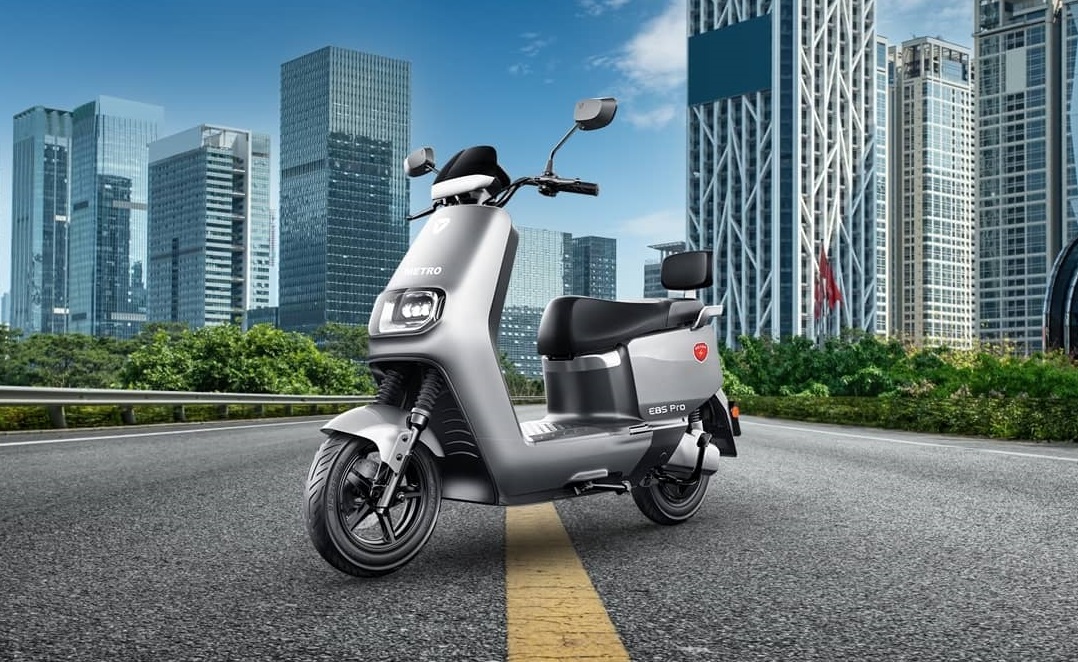
An electric bike (e-bike) is essentially a motorcycle or scooter that runs on electricity instead of petrol. Sounds simple, right? But under the hood—or rather, under the seat—it’s a completely different machine compared to the traditional bikes we’re used to in Pakistan.
Think of it like upgrading from a keypad phone to a smartphone. Both serve the same purpose, but the experience is entirely different. An electric bike uses a-powered motor instead of an internal combustion engine. That means no petrol, no engine oil, and no loud noise—just smooth, quiet movement.
The biggest difference between an electric bike and a petrol bike lies in how they generate power. Petrol bikes burn fuel to create energy, while electric bikes store energy in a battery and convert it into motion. This simple shift changes everything—from cost to maintenance to environmental impact.
Core Components of an Electric Bike
To understand how an electric bike works, you need to break it down into its main parts. Don’t worry—it’s not as complicated as it sounds. In fact, electric bikes are much simpler than petrol bikes.
Battery – The Power Source
The battery is the heart of an electric bike. It stores electricity, just like your phone battery stores charge. Most bikes in Pakistan use either lead-acid batteries (cheaper but heavier) or lithium-ion batteries (lighter, more efficient, and longer-lasting).
You can think of the battery as a fuel tank—but instead of filling it with petrol, you charge it with electricity. Once charged, it provides power to the motor.
Motor – The Engine Replacement
The motor replaces the traditional engine. It converts electrical energy into mechanical energy, which turns the wheels. Most electric bikes use a hub motor, which is installed directly in the wheel.
Unlike petrol engines, electric motors are incredibly efficient and quiet. You won’t hear that typical “engine revving” sound—instead, you’ll experience a smooth, almost silent ride.
Controller – The Brain
The controller acts like the brain of the bike. It manages how much power goes from the battery to the motor based on your input.
When you twist the throttle, the controller decides how much energy to send to the motor. It ensures everything runs smoothly and safely.
Throttle & Display System
The throttle works just like a petrol bike—you twist it to accelerate. Some bikes also come with a digital display that shows speed, battery level, and distance traveled.
How Electric Bikes Actually Work
Now let’s get to the fun part—how everything comes together.
When you turn on an electric bike and twist the throttle, a chain reaction begins. The battery sends electricity to the controller. The controller then regulates that electricity and sends it to the motor. The motor spins, and the bike moves forward.
It’s like turning on a tap. The battery is the water tank, the controller is the valve, and the motor is the pipe that delivers the flow.
Here’s a simple step-by-step breakdown:
- You turn on the bike
- You twist the throttle
- The controller receives your input
- Power flows from battery to motor
- The motor spins the wheel
- The bike moves
No combustion. No explosions. Just clean energy doing its job.
This simplicity is one of the biggest advantages of electric bikes. Fewer moving parts mean fewer things can go wrong.
Also read: https://metroev.pk/what-should-you-look-for-before-buying-an-e-bike-in-2025/
Types of Electric Bikes in Pakistan
Not all electric bikes are created equal. In Pakistan, you’ll mainly find two major categories.
Lead-Acid vs Lithium-Ion Bikes
Lead-acid batteries are cheaper, which makes them popular in budget bikes. However, they are heavier and have a shorter lifespan.
Lithium-ion batteries, on the other hand, are more expensive but offer better performance, longer range, and faster charging. If you’re planning long-term use, lithium-ion is usually the better choice.
Hub Motor vs Mid-Drive Motor
Most electric bikes in Pakistan use hub motors, which are placed in the wheel. They are simple, affordable, and require less maintenance.
Mid-drive motors are more advanced and provide better balance and performance, but they are less common in the local market.
Charging Process Explained
Charging an electric bike is as easy as charging your smartphone.
You simply plug the charger into a standard home socket and connect it to your bike. No special setup is required.
Charging usually takes 4 to 6 hours, depending on the battery type. The cost? Surprisingly low. Charging a full battery typically costs less than Rs 100–200, making it far cheaper than filling a petrol tank.
Some modern bikes even come with removable batteries, so you can charge them indoors—perfect for apartment living.
Range and Speed of Electric Bikes
One of the biggest questions beginners ask is: “How far can it go?”
Most electric bikes in Pakistan offer a range between 40 to 120 km per charge, depending on the model and battery type. Speed usually ranges from 40 to 80 km/h, which is more than enough for city commuting.
However, range can vary based on several factors:
- Rider weight
- Road conditions
- Battery health
- Riding style
Think of it like your smartphone battery—the more you use it aggressively, the faster it drains.
Maintenance and Lifespan
Electric bikes are incredibly low-maintenance compared to petrol bikes. There’s no engine oil, no spark plugs, and no complex mechanical parts.
The main component you need to take care of is the battery. A good lithium-ion battery can last 2–4 years, depending on usage.
Here are some simple tips:
- Avoid overcharging
- Don’t fully drain the battery regularly
- Store in a cool, dry place
Following these practices can significantly extend battery life.
Advantages of Electric Bikes
Electric bikes are gaining popularity for a reason—they offer real, practical benefits.
First, they are cost-effective. You save thousands of rupees every month on fuel. Second, they are eco-friendly, producing zero emissions. Third, they are quiet and smooth, making your ride more comfortable.
It’s like switching from a noisy generator to solar power—clean, efficient, and future-ready.
Challenges of Electric Bikes in Pakistan
Of course, no technology is perfect.
Charging infrastructure is still developing, especially outside major cities. Range anxiety is another concern—people worry about running out of battery mid-journey.
Battery replacement costs can also be high, which makes some buyers hesitant.
But here’s the thing: these challenges are temporary. As technology improves and adoption increases, these issues are gradually being resolved.
Is an Electric Bike Right for You?
If your daily commute is within city limits and you want to reduce expenses, an electric bike is a smart choice.
They are ideal for:
- Students
- Office workers
- Delivery riders
- Budget-conscious families
Before buying, consider your daily travel distance, budget, and charging availability. Once those boxes are checked, the decision becomes much easier.
Conclusion
Electric bikes are not just a trend—they are a practical solution to Pakistan’s rising fuel costs and urban mobility challenges. Understanding how they work makes it easier to see their value.
They are simple, efficient, and designed for the future. If you’re still relying on petrol for short daily commutes, switching to electric could be one of the smartest decisions you make this year.