
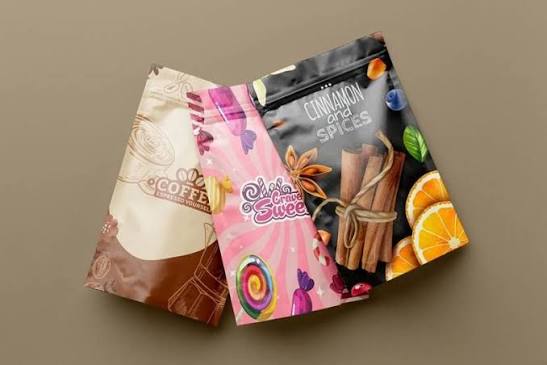
Picture a small granola maker who spends weeks perfecting a recipe, then packs it in a bag that lets the oats go stale within a month. The recipe was fine. The bag was the problem. Mylar bags are popular for dry goods because they protect against light, air and moisture, but the details decide how well any given bag performs. Layers, closures, size and print all change what happens to the product between your production line and a customer’s pantry, so it pays to settle them before an order goes in.
What a mylar bag is made of
Mylar is the common name for a polyester film, and a finished bag is usually a laminate of several layers. The outer layer carries the print and takes the scuffing. A middle layer, often metallized or foil-based, blocks light, oxygen and moisture. The inner layer is heat-sealable and is the one that touches your product. Each layer has a job, and a bag that skips one can fail in ways that are hard to spot until the product has been sitting for weeks.
Before you design anything, decide what your product needs protection from. If you are planning custom packaging for a new product, that single decision narrows your options faster than any other. Fragrant loose-leaf tea needs a strong aroma barrier. Protein powder needs moisture control. A crunchy snack needs both, plus a bag that will not crush the contents when it is stacked in a carton.
Match the structure to the product
Clear bags look appealing, but they let light in, and light dulls colour and flavour in many foods. Metallized and opaque bags protect better. A bag with a clear window is a sensible middle path: the customer sees the product while the rest of the bag stays protective. Thicker film is not automatically better, either. It can be stiffer, harder to fill and harder for a customer to open, so ask your supplier what each structure is rated for and test a sample with your own product rather than relying on a spec sheet.
Questions worth answering before you request a quote:
- Does the product need protection from light, air, moisture, or all three?
- Will the bags be filled by hand or on a machine?
- Will customers open and close the bag many times?
- Does the bag need to stand on a shelf, hang from a peg or fit a retail display?
Think about shelf life too. If your product sits in the pantry for months, a high-barrier laminate is worth the extra cost. If it is eaten within a few weeks, a lighter structure may be plenty. Being honest about how quickly the product sells keeps you from over-specifying or under-protecting.
Closures, sizing and print
Stand-up pouches with a zipper suit products people use over several days, such as granola or dried fruit. Flat pouches with a tear notch work for single servings and samples. Coffee roasters often add a one-way degassing valve so beans can release gas without letting air back in. A hang hole adds very little to a bag and opens up peg displays in retail stores.
Sizing trips up first-time buyers more than anything else. Bag dimensions are a poor guide to capacity because powders, flakes and whole pieces all pack differently. Fill a sample bag with your real product, then check that there is room above the fill line for the seal and the zipper. Volume and density decide whether a bag looks full or half empty, not weight alone.
Metallic film looks great, but it affects how colour prints. Light colours can look dull over a metallic base unless a white ink layer sits underneath, so ask for a printed proof before approving artwork. Keep important text away from seals, folds and the zipper line, and put the barcode on a flat panel where it will scan reliably. If you sell food in Canada, many labels need both English and French information, so confirm the current requirements with the Canadian Food Inspection Agency before the artwork is final.
Ordering in volume
Once the structure, closure and size are settled, ordering custom mylar bags wholesale usually makes more sense than a series of small runs, because setup work is spread across more bags and you avoid reprinting the same design several times a year. Ask each supplier about minimum quantities, proof turnaround, production time and how the bags arrive, since crushed cartons can damage a good print job. Store the bags flat in a cool, dry place and keep them sealed until you need them.
Test before you scale
Run a small filling trial, seal a few bags and leave them for a few weeks. Check the seal, the smell and the texture of the product. A short test costs far less than a full run that turns out to be the wrong size.