
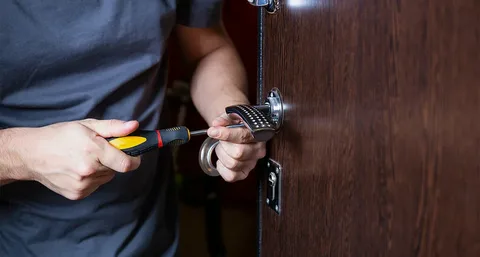
A business door lock can appear functional while gradually developing problems that affect security, access, and daily operations. Sticking keys, loose hardware, unusual resistance, and doors that fail to latch correctly should not be treated as minor inconveniences because they can indicate developing mechanical issues. Knoxmith Lock & Key helps commercial property owners identify lock problems before they interfere with employees, customers, or building security. When commercial lock repair becomes necessary, recognizing the warning signs early can often prevent a small hardware issue from becoming a more disruptive repair.
Key Takeaways
- Difficulty turning a key can indicate internal lock wear.
- Loose or misaligned hardware can affect proper door security.
- Repeated lock failures deserve professional inspection.
- Delaying repairs can create access and operational problems.
Commercial doors experience frequent use, particularly at entrances used throughout the business day. Every employee entry, customer visit, delivery, and closing procedure places repeated stress on cylinders, latch mechanisms, hinges, and door hardware. Over time, that repeated movement can cause components to wear or shift.
The problem is not always immediately obvious. A lock may continue operating while becoming increasingly difficult to use. A business owner who notices gradual changes in how a key turns or how a door closes has an opportunity to address the issue before the lock stops working completely.
Why Business Door Locks Develop Problems
Commercial locking systems often operate under heavier conditions than residential hardware. Employees may use the same entrance dozens or hundreds of times each day, while exterior doors can also be exposed to temperature changes, moisture, dirt, and physical impact.
Wear can develop inside the cylinder as pins, springs, and other components become less responsive. The door itself can also shift because of settling, repeated impact, loose hinges, or changes in the frame. In those cases, the lock may appear to be the problem even though the underlying issue involves alignment.
Businesses should also consider the age and quality of their hardware. A heavily used lock with worn components may require attention sooner than a lightly used door. Repairing an isolated problem can sometimes preserve otherwise suitable hardware rather than requiring a complete replacement.
Signs a Commercial Lock Needs Attention
The earliest warning signs are often changes in normal operation. A key that once turned smoothly may begin catching or requiring extra pressure. A latch may stop extending completely, or the door may need to be pushed or pulled before the lock engages.
These changes matter because excessive force can accelerate component wear. Employees may also begin using workarounds, such as leaving a door unsecured or repeatedly forcing the key, which can introduce additional security concerns.
Common Warning Signs
- Keys stick, scrape, or require unusual force.
- The lock cylinder feels loose or unstable.
- The door fails to latch consistently.
- Employees report recurring access problems.
- The locking mechanism makes unusual sounds.
Another warning sign is a key that becomes increasingly difficult to remove. This can indicate internal cylinder wear or a problem with the relationship between the lock and door frame. Businesses should not assume that lubricating the lock will permanently solve the issue without determining why the resistance developed.
When Lock Alignment Is the Real Problem
A commercial lock can function properly while the surrounding door hardware prevents it from operating correctly. If a door has shifted within its frame, the latch may strike the strike plate instead of entering the opening cleanly.
This type of problem can make employees believe the lock itself is failing. In reality, repeated pressure against the latch can place additional stress on the locking mechanism and eventually damage components that were previously functional.
Businesses considering commercial locksmith services should therefore have both the lock and door alignment evaluated when recurring problems occur. Correcting the underlying issue can be more effective than repeatedly adjusting the cylinder.
Door alignment can also affect security. A door that does not close completely may leave the building less protected even when the locking mechanism appears operational. This is particularly important for offices, retail locations, warehouses, and other properties where access control is essential.
Why Delaying a Lock Repair Can Create Bigger Problems
A business may continue operating with a troublesome lock because employees can still enter and exit. That approach can become costly if the mechanism eventually fails during a busy period or after normal business hours.
A failed entrance lock can interrupt deliveries, delay employees, restrict customer access, or require emergency service. The operational impact may exceed the original repair cost, particularly for businesses that depend on continuous access to their premises.
Another concern involves employee behavior. When a lock becomes difficult to operate, staff members may prop doors open, share keys unnecessarily, or avoid using a designated entrance. These workarounds can weaken the property’s intended security controls.
Repair or Replace: Which Option Makes Sense?
Repair is often appropriate when the lock remains structurally sound and the problem involves a serviceable component. A worn cylinder, loose component, or alignment issue may be corrected without replacing the entire locking system.
Replacement may be more appropriate when the hardware is severely damaged, obsolete, repeatedly failing, or no longer fits the business’s security requirements. Businesses upgrading access control may also choose new hardware that supports restricted keys, electronic credentials, or other management features.
Factors to Consider
- The lock’s age and physical condition.
- Frequency of daily use.
- Availability of replacement components.
- Current security requirements.
- Cost and disruption associated with replacement.
Business owners should consider the role of the affected door before making the decision. A rarely used interior office door may have different requirements from a primary exterior entrance, employee access point, or secured storage area.
A second practical consideration is compatibility. Replacing one commercial lock with an unrelated system can create difficulties with existing keys or access procedures. A professional assessment can help determine whether repair, matching hardware, or a broader security upgrade makes the most sense.
Commercial Lock Problems in Knoxville’s Business Environment
Knoxville businesses operate across offices, retail properties, industrial facilities, medical buildings, restaurants, and other commercial settings. Each environment creates different demands on door hardware.
High-traffic properties may experience faster mechanical wear because their entrance systems are used repeatedly throughout the day. Businesses in older buildings may also encounter door frames and hardware that have been adjusted or repaired several times over the years.
Local conditions can add another consideration. Outdoor locks are exposed to changing temperatures and moisture, while dirt and debris can affect moving components. Businesses that notice recurring issues should address the underlying cause rather than repeatedly forcing the hardware to operate.
For owners researching commercial locksmiths in Knoxville, the focus should remain on the actual condition of the door and locking mechanism. A clear diagnosis allows them to distinguish routine wear from a security problem requiring more extensive attention.
How Businesses Can Reduce Lock Problems
Preventive attention does not require complicated maintenance. Employees should avoid forcing keys, slamming secured doors, or using damaged keys. Management can also encourage staff to report changes in lock operation instead of waiting until a door stops functioning.
Regular inspections can identify loose screws, misalignment, worn keys, damaged cylinders, and other developing issues. High-use entrances deserve particular attention because their hardware experiences significantly more cycles than doors used only occasionally.
One useful practice is to keep track of recurring lock complaints. If several employees report the same problem, the issue is less likely to be an isolated user error. Recording when and where the problem occurs can also help a locksmith identify patterns during an inspection.
When Professional Lock Repair Is Appropriate
Some minor adjustments may appear simple, but commercial locking systems can contain components that require careful handling. Incorrect repairs can damage the cylinder, compromise the door, or create access problems for employees.
Professional evaluation becomes particularly important when a key breaks inside the lock, the cylinder spins without engaging, the door refuses to latch, or the lock repeatedly fails after temporary adjustments. These symptoms can indicate a deeper mechanical or alignment problem.
A business should also seek assistance when its existing hardware no longer matches its security needs. Changes in staffing, building use, tenant arrangements, or access policies can create reasons to rekey, repair, replace, or upgrade commercial locks.
Frequently Asked Questions
What are the most common signs that a commercial door lock needs repair?
Common signs include sticking keys, loose cylinders, inconsistent latching, unusual resistance, broken keys, and recurring employee complaints about access. Any noticeable change from normal operation deserves attention.
Can a business door lock be repaired instead of replaced?
Yes. Repair may be suitable when the existing hardware remains structurally sound and the issue involves a serviceable component. Replacement becomes more appropriate when the lock is badly damaged, outdated, or repeatedly failing.
Why does a commercial door lock become difficult to turn?
Internal wear, damaged keys, dirt, cylinder problems, or door misalignment can all create resistance. The correct solution depends on identifying the underlying cause rather than simply applying more force.
How often should commercial locks be inspected?
There is no universal interval because usage varies by property. High-traffic entrances should receive attention more frequently, particularly when employees notice changes in operation or repeated access problems.
Can a misaligned door damage its lock?
Yes. If the latch repeatedly strikes the frame or strike plate, additional pressure can transfer to the locking mechanism. Correcting alignment early may help prevent unnecessary wear and more extensive repairs.
Protecting Business Access Through Timely Repairs
A commercial lock rarely fails without warning. Changes in key movement, latch engagement, alignment, or hardware stability can provide useful indications that attention is needed. Recognizing those symptoms allows businesses to address mechanical problems before they disrupt employees, customers, or daily operations.
The best decision depends on the condition of the hardware, frequency of use, security requirements, and underlying cause of the problem. A proper assessment can determine whether a repair is sufficient or whether replacement would provide a better long-term solution.
Request Commercial Lock Service
Businesses experiencing sticking keys, damaged cylinders, alignment problems, or unreliable door hardware can contact Knoxmith Lock & Key to discuss the issue. Their commercial locksmith team can assess the affected door, identify the likely cause, and explain suitable repair or replacement options. Addressing warning signs early can help businesses maintain reliable access while reducing the chance of an unexpected lock failure that disrupts employees, customers, deliveries, or normal operations.