
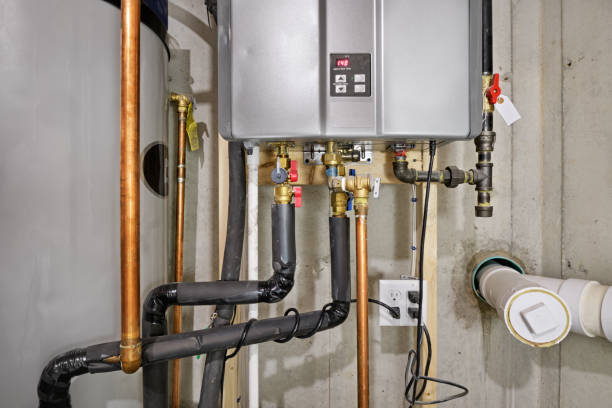
Buying a home involves far more than checking the roof, foundation, electrical system, and kitchen finishes. The water heater is another major component that can affect comfort, operating costs, and unexpected repair expenses after the keys change hands. Blue Pacific Cape Cod recommends that buyers examine the system’s age, condition, installation, and operating history before finalizing a purchase. A cape cod home water heater can look perfectly functional during a showing while still showing signs of corrosion, sediment buildup, leakage, or declining performance.
Key Takeaways
- Check the water heater’s age and available maintenance records before closing.
- Look for corrosion, leaks, unusual noises, and inconsistent hot-water delivery.
- Consider installation location, capacity, energy source, and remaining service life.
- Include potential repair or replacement costs when evaluating the property.
A water heater may receive little attention during a typical home inspection because it occupies a relatively small area compared with the rest of the property. Yet a failed tank can release a significant amount of water, while an inefficient or outdated system can increase household operating expenses. Buyers who identify concerns before closing have more opportunity to discuss repairs, negotiate appropriate terms, or budget for future replacement.
The issue becomes especially relevant when purchasing an older Cape Cod property. Homes may have undergone multiple renovations over the years, and the water heater may not have been replaced at the same time as other major systems. A recently renovated kitchen does not necessarily indicate that the mechanical equipment behind the walls or in the basement has received the same attention.
Why the Water Heater Deserves Attention Before Closing
A water heater is a long-term household appliance that works every day, often without attracting much attention. Traditional storage systems repeatedly heat and hold water, placing ongoing demands on the tank, heating components, valves, connections, and safety controls.
The U.S. Department of Energy notes that water heating accounts for roughly 18% of a home’s energy use, making it one of the larger energy expenses in many households. That makes the system relevant not only from a maintenance standpoint but also when estimating future ownership costs.
Age is one of the first details buyers should establish. Conventional storage water heaters commonly have an expected service life of roughly 10 to 15 years, although actual longevity depends on water quality, maintenance, installation, usage, and equipment type. An older unit does not automatically require replacement, but its remaining service life should be considered.
What Buyers Should Inspect During the Home Inspection
A visual inspection can reveal several clues about the water heater’s condition. Buyers should look around the tank for moisture, staining, rust, corrosion, mineral deposits, or damaged insulation. Water beneath the tank deserves particular attention because a leak from the tank itself can indicate internal deterioration.
The connections above and around the unit should also be examined. Supply lines, shutoff valves, temperature and pressure relief components, and other fittings can deteriorate independently of the tank. Corrosion around a connection may be repairable, but it should still be documented and evaluated.
Noise can provide another useful clue. Popping, rumbling, or crackling sounds in a traditional tank can occur when sediment accumulates at the bottom. Sediment can interfere with heat transfer and may contribute to longer heating cycles and additional wear.
The buyer should also observe whether hot water arrives consistently. A system that runs out of hot water quickly, takes unusually long to recover, or produces fluctuating temperatures may require further assessment.
Warning Signs Buyers Should Not Overlook
- Rust or corrosion around the tank, fittings, or valves.
- Moisture, staining, or unexplained water beneath the equipment.
- Popping, rumbling, or other unusual operating sounds.
- Inconsistent temperatures or unusually slow hot-water recovery.
- Missing maintenance information for an older water heater.
How the Installation Location Changes the Risk
The location of a water heater matters because the consequences of a failure depend partly on what surrounds the equipment. A unit installed in an unfinished basement may create different property risks from one positioned above finished flooring, inside a utility closet, or near valuable stored materials.
Buyers should determine whether the installation area provides adequate clearance, drainage, access, and ventilation where applicable. They should also consider whether the current setup appears appropriate for the type of water heater installed.
For buyers considering water heater services, the property’s existing configuration can be an important part of the assessment. Replacing an older system may involve more than disconnecting the existing tank if plumbing connections, venting, fuel type, drainage, electrical requirements, or available space need modification.
Cape Cod properties can also have seasonal occupancy patterns. A vacation home may experience periods of limited use followed by heavier demand during warmer months. That pattern can influence maintenance requirements and the way buyers evaluate equipment condition.
Does the Water Heater Match the Household’s Needs?
A water heater should be assessed according to expected household demand rather than age alone. A system that adequately served the previous owner may not provide sufficient capacity for a larger family or different usage pattern.
Buyers should consider how many people will live in the home, how often showers occur, whether laundry and dishwashing happen simultaneously, and whether other appliances depend on hot water. These details help determine whether the existing capacity is appropriate.
Fuel source also matters. Electric, gas, propane, and heat pump water heaters have different installation requirements and operating characteristics. The buyer should understand which system is currently installed and whether future replacement options would fit the property’s existing infrastructure.
The equipment’s energy rating can provide additional information. However, an efficiency label should not be considered in isolation. Actual household costs depend on energy rates, water consumption, temperature settings, equipment condition, and how often the system operates.
Maintenance Records Can Reveal More Than Age
When available, maintenance records provide useful context that a visual inspection cannot always provide. Documentation may show when the system was installed, whether components have been replaced, whether leaks have occurred, and whether routine maintenance has been performed.
Repeated repairs are especially relevant. A single replacement of a valve or heating component does not necessarily indicate a major problem. However, multiple repairs within a short period may suggest that the system is entering a less reliable stage of its service life.
Buyers should also ask whether the system has ever experienced a major leak. Previous water damage around the unit should be investigated even if the current system appears dry. Staining, repaired flooring, replaced drywall, or unusual patches may provide clues that deserve further questions.
A useful approach is to compare the water heater’s age with its repair history. A relatively young unit with one minor repair may present a different situation from an older system with several recurring issues.
What Buyers Should Consider Before Closing
The first consideration is the system’s remaining useful life. If the unit is approaching or exceeding its typical service range, the buyer may want to understand potential replacement costs even when it is currently operating.
The second consideration is the severity of any visible problems. Surface discoloration and a minor fitting issue may have a different implication from a tank that is actively leaking or showing substantial corrosion.
The third consideration is replacement accessibility. A system located in a cramped closet or difficult-to-access area may require additional labor or modifications during replacement.
The fourth consideration is household demand. Buyers should ensure that the current system can reasonably meet their expected hot-water requirements rather than assuming the existing capacity will automatically be sufficient.
These factors can help buyers distinguish between an ordinary maintenance item and a mechanical system that may require a larger financial commitment shortly after closing.
Smart Checks Before Signing the Final Papers
- Verify the installation date whenever manufacturer information or records are available.
- Ask about previous repairs, leaks, maintenance, and component replacements.
- Have questionable corrosion or moisture evaluated rather than relying on appearance alone.
- Estimate replacement costs when the system is approaching the end of its typical service life.
How a Water Heater Can Affect the True Cost of a Home
The purchase price is only one part of the financial picture. Buyers also need to consider immediate repairs, expected maintenance, energy consumption, and major equipment that may need replacement during ownership.
A water heater nearing the end of its service life does not necessarily make a property unsuitable. Instead, it gives buyers information that can be incorporated into their overall financial planning. Knowing that replacement may be necessary within the next few years is considerably different from discovering the need for replacement after a sudden failure.
The same principle applies to efficiency. A functioning older system may continue producing hot water while using more energy than a newer alternative. The potential savings from an upgrade depend on equipment type, usage patterns, local energy prices, and installation costs, so buyers should avoid assuming a specific payback period without property-specific numbers.
Common Questions Buyers Ask
Should a home buyer replace the water heater before closing?
Not automatically. The appropriate decision depends on age, condition, leak history, repair records, efficiency, capacity, and installation requirements. A professional assessment can help determine whether immediate replacement is warranted or whether continued operation is reasonable.
What age is considered old for a water heater?
For many conventional storage models, 10 to 15 years is a commonly referenced service range. Actual lifespan varies, so age should be evaluated alongside corrosion, maintenance history, performance, and previous repairs.
Can a home inspector determine whether replacement is necessary?
A home inspector can identify visible conditions and report concerns, but a specialist may be needed for a more detailed evaluation of equipment condition, installation requirements, or repair options. Buyers should review the inspection findings carefully before making decisions.
Frequently Asked Questions
What should buyers look for around a water heater?
They should check for leaks, corrosion, staining, mineral deposits, damaged connections, unusual sounds, and signs of previous water damage. The installation area should also provide reasonable access and appropriate conditions for the equipment.
How can buyers find the age of a water heater?
The manufacturer’s label typically contains identifying information that can help determine the production or installation period. Purchase records, maintenance documents, and previous inspection reports may provide additional confirmation.
Does an older water heater automatically lower a home’s value?
Not necessarily. An older system is one factor among many. Its condition, remaining service life, efficiency, repair history, and replacement cost are more useful indicators of its potential financial impact.
Why is a leaking water heater a serious concern?
A leak can damage flooring, walls, insulation, cabinets, and other nearby materials. If the tank itself has failed, continued operation may increase the amount of water released before the problem is discovered.
Should buyers negotiate over an aging water heater?
Buyers can discuss documented concerns with their real estate professionals and consider how repair or replacement costs fit into the overall transaction. The appropriate approach depends on the purchase agreement, inspection findings, market circumstances, and negotiations between the parties.
Making the Water Heater Part of the Closing Checklist
A home purchase can involve dozens of inspections and documents, making smaller mechanical systems easy to overlook. Yet the water heater can influence daily comfort, energy consumption, maintenance requirements, and the risk of unexpected water damage.
Checking the unit before closing allows buyers to understand what they are actually purchasing. Age, condition, capacity, installation, repair history, and potential replacement costs provide a much clearer picture than simply confirming that hot water comes out of the faucets.
For a Cape Cod property, the assessment should also account for seasonal occupancy, property age, equipment location, and the practical requirements of future replacement. These details can help buyers plan ownership costs with fewer surprises.
Schedule a Pre-Closing Water Heater Assessment
Before closing on a Cape Cod property, buyers can contact Blue Pacific Cape Cod to discuss concerns about an older or questionable water heater. A professional assessment can examine visible leaks, corrosion, connections, performance concerns, installation conditions, and potential replacement needs. Identifying these issues before ownership changes hands gives buyers useful information for planning maintenance, budgeting for future work, and protecting the property from avoidable water damage.