
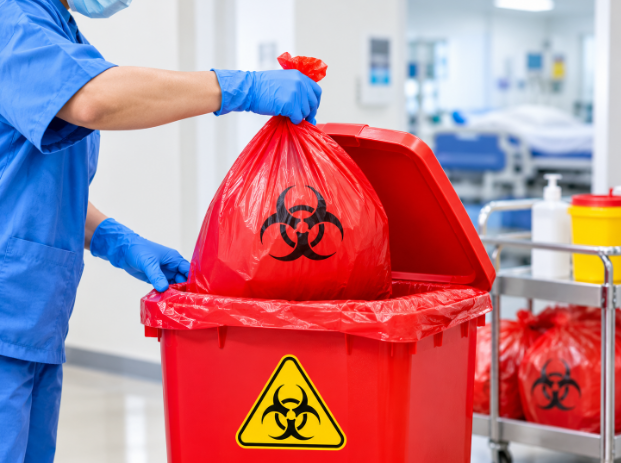
Healthcare facilities generate waste through patient treatment, laboratory testing, diagnostic procedures, and routine clinical operations. Some discarded materials require special handling because they may present infection risks, physical hazards, or environmental concerns. A structured biohazard waste pickup process helps facilities manage these materials safely, maintain organized waste storage, and support regulatory compliance. Understanding waste segregation, packaging, collection schedules, staff responsibilities, and disposal methods is essential for hospitals, clinics, dental practices, and laboratories seeking consistent waste management procedures.
Understanding Biohazard Waste in Healthcare Facilities
Biohazardous waste may include discarded materials contaminated with blood or certain body fluids, microbiological cultures, pathological waste, and other regulated materials, depending on applicable requirements. Used needles, scalpels, and other sharps also require specialized containment because they can cause injuries and potential exposure.
Not every item generated in a healthcare environment automatically qualifies as regulated medical waste. Classification depends on the material, contamination level, intended handling, and relevant federal, state, and local rules. The Centers for Disease Control and Prevention (CDC) identifies microbiology laboratory waste, certain blood specimens, pathology and anatomy waste, and sharps among the categories requiring special precautions.
Essential Steps in the Biohazard Waste Collection Process
1. Segregation at the Point of Generation
Waste segregation should begin where materials are discarded. Separating regulated waste from general trash reduces unnecessary waste volumes and helps ensure that different materials receive suitable treatment.
Healthcare organizations should establish clearly labeled disposal stations in treatment rooms, laboratories, nursing areas, and other waste-generating locations. Staff must understand which containers are appropriate for sharps, contaminated non-sharp materials, and other specialized waste streams.
Sharps should go directly into designated puncture-resistant containers positioned near their point of use. Needles should not be recapped, bent, or broken by hand before disposal. Consistent segregation procedures reduce handling exposure and improve collection efficiency.
2. Secure Packaging, Labeling, and Storage
Proper containment protects employees, patients, visitors, and waste collection personnel. Regulated waste should be placed in compatible containers that meet applicable requirements for leak resistance, puncture resistance, closure, and labeling.
Containers must be secured and handled according to facility procedures and waste vendor instructions. If a bag becomes contaminated on the outside or is damaged, appropriate secondary containment may be necessary under the applicable protocol.
Temporary storage areas should restrict unauthorized access and support sanitary conditions. Waste should not accumulate unnecessarily, and designated storage locations should be maintained to prevent leaks, pest access, and avoidable exposure. CDC guidance emphasizes suitable containment, regular removal, and controlled storage practices.
3. Scheduled Collection and Safe Transportation
A reliable collection schedule helps prevent overflowing containers, storage challenges, and unnecessary waste accumulation. Collection frequency should reflect the facility’s waste generation rate, storage capacity, operational needs, and applicable disposal requirements.
Before arranging biohazard waste pickup, facilities should confirm collection arrangements, accepted waste categories, container specifications, documentation procedures, and responsibilities with their authorized service provider.
During collection, trained personnel should follow established handling procedures and use appropriate protective equipment. Waste must remain securely contained throughout internal movement and transportation. Required records, manifests, or tracking documents should be maintained according to applicable regulations.
Biomedical Waste Management: Treatment and Disposal
A complete management program addresses waste identification, segregation, containment, storage, transportation, treatment, and final disposal.
Treatment methods depend on waste classification and regulatory requirements. Common approaches include autoclaving, which uses steam under controlled conditions, and approved incineration for suitable waste categories. Other authorized technologies may also be appropriate for specific waste streams.
No single treatment method is suitable for every material. Chemical waste, pharmaceutical waste, radioactive materials, and certain specialized biological wastes may require separate procedures. Facilities should confirm that the selected treatment method is permitted for each waste category and that downstream disposal follows applicable requirements.
Staff Training and Compliance Responsibilities
Written waste management procedures provide a consistent framework for daily operations. Employees responsible for waste handling should receive appropriate training on segregation, container selection, exposure prevention, spill response, and incident reporting.
Facility managers can strengthen oversight through regular inspections, staff refreshers, collection record reviews, and evaluations of waste generation patterns. Monitoring helps identify recurring problems, including incorrect segregation, missed collections, damaged containers, and inadequate storage capacity.
Healthcare organizations should also establish clear responsibilities for supervising the waste management program and reviewing procedures when operations or regulations change.
Conclusion
Safe healthcare waste disposal requires coordinated planning, appropriate containment, trained personnel, reliable collection schedules, and compliant treatment methods. Effective biomedical management waste practices involve more than arranging routine collections. By improving segregation practices, maintaining secure storage areas, and establishing dependable collection arrangements, healthcare facilities can reduce handling risks and strengthen waste management operations.