
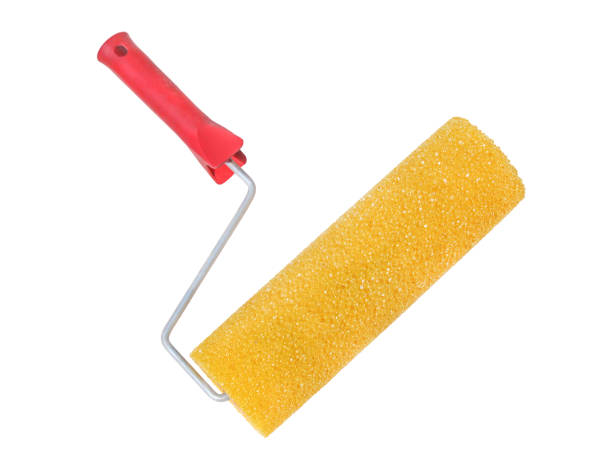
Interior painting sounds simple until you’re halfway through a wall and it looks streaky, uneven, or just… off. Happens more than people admit. One of the easiest fixes, honestly, is switching tools. A good microfiber roller cover can make a noticeable difference without changing anything else in your process. It holds more paint, releases it more evenly, and doesn’t fight you on smooth surfaces like drywall or plaster. You’re not constantly reloading or going back over dry patches. It just flows better, and yeah, that matters when you’re trying to keep a wet edge and avoid lap marks.
Smoother Finish Without Fighting the Roller
Here’s the thing—most people blame their paint when the finish looks rough. But a lot of that texture comes from the roller itself. Microfiber has this fine, dense structure that lays paint down more evenly than standard synthetic covers. You don’t get that fuzzy stipple effect unless you’re really trying. It’s especially useful for interior walls where you want a clean, almost sprayed look without actually spraying. Less effort, fewer passes, and you’re not standing there wondering why one section looks different from the next. It just evens out, kind of naturally.
Better Paint Pickup Means Faster Work
Time matters, even on small jobs. Microfiber rollers soak up a decent amount of paint, but not in a sloppy way. It’s controlled. You load it once, and it goes further across the wall before drying out. That means fewer trips to the tray, fewer interruptions, and a more consistent application overall. You stay in rhythm. That’s a big deal when you’re working across large interior spaces like living rooms or hallways. It’s not about speed alone—it’s about not breaking your flow every thirty seconds.
Reduced Splatter (And Less Cleanup After)
Nobody enjoys cleaning paint off floors, or worse, off furniture you forgot to cover properly. Microfiber roller covers tend to reduce splatter compared to cheaper alternatives. The fibers hold onto the paint instead of flinging it around when you roll too fast or press too hard. It’s not magic—you can still make a mess if you’re careless—but it definitely cuts down on those annoying little specks that show up everywhere. Less splatter means less cleanup, and honestly, that’s half the battle with interior painting.
Works Well With Different Paint Types
Interior projects don’t always stick to one type of paint. You might be using flat on ceilings, eggshell on walls, maybe a semi-gloss for trim. A microfiber cover handles all of that pretty well. It adapts. You don’t need to switch rollers every time you change finishes, which simplifies things. The coverage stays consistent, and you’re not dealing with weird absorption issues or uneven spread. It’s just reliable across the board, which is more than you can say for some cheaper roller options.
Durability That Actually Saves Money
At first glance, microfiber rollers might cost a bit more. Not crazy expensive, but noticeable. Still, they last longer. The fibers don’t mat down as quickly, and they don’t shed all over your freshly painted walls (which is a nightmare, by the way). You can clean them properly and reuse them for multiple projects without them falling apart. So yeah, upfront cost is slightly higher, but over time, you’re not constantly replacing them. That adds up.
Great for Both DIY and Professional Use
You don’t need to be a pro painter to get good results with microfiber. That’s kind of the point. It’s forgiving. If your technique isn’t perfect, the roller still helps smooth things out. But at the same time, professionals use them too because they’re efficient and consistent. It’s one of those rare tools that works across skill levels. Beginners get fewer mistakes, pros get faster results. No downside there.
Choosing the Right Roller Still Matters
Not all microfiber roller covers are identical. Nap thickness, density, core quality—it all plays a role. For most interior walls, a medium nap works well. Too thick, and you start adding unnecessary texture. Too thin, and you’re not getting enough paint transfer. It’s a balance. And yeah, it might take a bit of trial and error to find what feels right in your hand. But once you do, it’s hard to go back to basic rollers.
Finding Quality Options Without Overthinking It
There are plenty of paint rollers for sale, but not all of them are worth your time. Some look decent until you actually use them, then they shed or wear out halfway through a job. It’s better to stick with trusted brands or suppliers who specialize in painting tools. You don’t need the most expensive option on the shelf, just something reliable. A solid microfiber roller cover from a decent source will outperform a cheap one every time, no question.
Final Thoughts on Making Interior Painting Easier
At the end of the day, painting interiors isn’t complicated, but it’s easy to mess up the finish if your tools aren’t up to it. Microfiber roller covers take a lot of that risk out of the equation. They help you work faster, cleaner, and with better results overall. No gimmicks, no overhype. Just a tool that does what it’s supposed to do, and does it well. And once you’ve used one on a full project, it’s kind of hard to go back to anything else.