
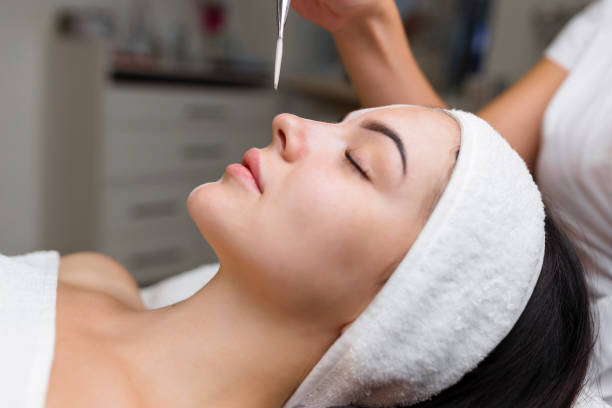
Most people hear the name and picture something harsh, a peel that leaves your face raw and red for a week. A jetpeel facial is closer to the opposite. It uses a fine stream of air and water, there are no needles, and most people walk out looking fresh instead of wounded. Still, it’s normal to feel a little nervous before a treatment you’ve never tried, so I’ll walk you through the whole thing from the moment you sit down.
I’ll also talk about timing, because skin care rarely happens on its own. A lot of people who ask about this treatment are researching the best eyebrow microblading Boston has to offer at the same time, and the two services affect each other more than you’d expect. By the end you should know what happens in the room, how your skin will look afterward and how to plan everything without getting in the way of your own results.
The Session From The Moment You Sit Down
You’ll usually start with a short chat about your skin. The provider asks what bothers you, which products you use and whether anything is going on that day, like a breakout, a sunburn or a new medication. Answer honestly, even about the things that feel unrelated. Strong acids, retinol and recent waxing can all change how your skin reacts, and a good provider would rather know than guess.
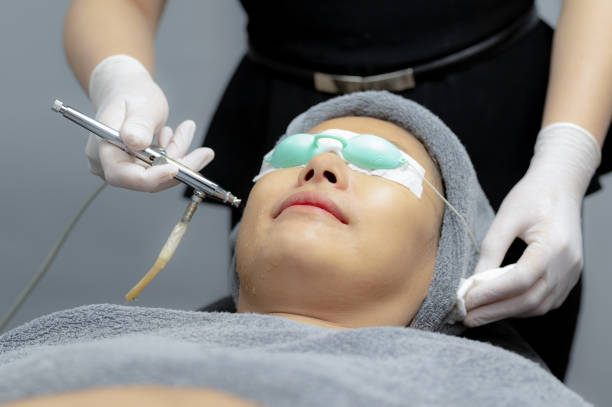
After that your face gets cleansed and your eyes are covered with small pads. A jetpeel facial uses a handpiece that sends a pressurized stream of air and water across your skin, and the provider moves it in slow passes. The first pass clears away oil and surface buildup. The next ones loosen dead cells and help unclog pores. The last stage pushes a serum into the skin, which might be hydrating, brightening or calming depending on what you need.
The feeling surprises people. It’s cool and a little tingly, sort of like a light spray, and some areas feel stronger than others. The skin around your nose and chin is usually more sensitive, and the forehead tends to feel mild. The device is louder than you’d expect, which can be startling the first time. If anything feels uncomfortable, say so right away, because the pressure can be adjusted.
The whole thing takes somewhere between thirty and forty-five minutes. You’ll see your skin looking pink and slightly dewy at the end, and you can usually go straight back to your day.
Who Tends To Love It And How To Get Ready
People with dull, congested or dehydrated skin often notice the biggest change. If your complexion looks tired, your pores feel clogged or your makeup never sits smoothly, the treatment can make a visible difference after one session. It’s also a good fit for people who want something gentle, since there’s no scrubbing or scraping involved. Many providers can adjust the serums for oily, dry or sensitive skin, which makes it flexible.
It isn’t right for everyone at every moment, though. Open wounds, active infections, fresh sunburn and certain skin conditions mean you should wait. Some medications make skin more sensitive, so bring up everything you take. If you’ve used a strong peel or had a laser treatment recently, mention that too. A thoughtful provider asks these questions before starting, and if nobody asks, it’s worth noticing.
Getting ready is easy. Avoid strong exfoliants for a few days beforehand, stay out of the sun and drink plenty of water. Come with a clean face if you can, and skip heavy makeup. If you’ve been picking at a spot, let it rest, since irritated skin reacts more.
Be realistic about the results, too. One session gives you a clean, bright look, but it won’t erase deep lines or old scars. Most people see the best change from a short series spaced a few weeks apart, followed by occasional maintenance. Ask your provider how many visits they’d suggest for your goals, and what the plan costs before you start.
What Your Skin Does Afterward
Right after the session your skin will look a little pink and feel soft. The glow from a jetpeel facial tends to show up straight away and then settle into something quieter over the next day or two. Some people get slight tightness or dryness, and a few notice tiny flakes as the surface renews. That’s normal and usually mild.
Aftercare is simple. Use a gentle cleanser and a good moisturizer, and wear sunscreen every single day. Freshly cleansed skin is more reactive to the sun, so skip tanning and long hours outdoors for a bit. Avoid harsh activities like strong acids and retinol for a few days, and don’t pick at anything. Heat from saunas and hot yoga is best left alone for the first day or so.
You can usually wear makeup again quite soon, though many providers suggest keeping it light for the rest of the day so your skin can breathe. If you notice anything unusual, like lasting redness, swelling or a rash, contact your provider.
Results build with consistency. People who book a series and keep up a simple routine at home usually see smoother texture and a clearer look over time. People who treat it as a one time fix tend to see the glow fade in a couple of weeks. Neither is wrong, but it helps to know which one you’re buying.
Planning It Around Permanent Brows
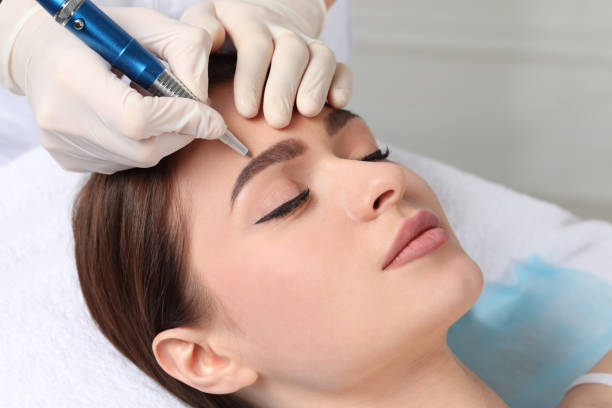
This is where people get tangled up. Skin treatments and permanent brow work both involve your face, so the order matters. If you’re comparing the best eyebrow microblading Boston studios provide, ask your artist about skin prep before you book anything else. Smooth, hydrated skin is a better base for pigment, and flaky or congested skin around the brows can hold color unevenly.
A facial a couple of weeks before your brow appointment can help with that. But don’t book it right before, and never on the same day. Freshly cleansed and exfoliated skin is sensitive, and you don’t want that near a procedure. Ask your artist how much space to leave, since it depends on your skin.
After the brows are done, the order flips. Fresh pigment needs about four weeks to settle, and it goes through a dark stage, a flaky stage and a faded stage before the true shade appears. Wait until all of that has finished before going back to any facial near the brow line, and tell the provider about your brows first. Good ones will ask anyway.
When you’re choosing the best eyebrow microblading Boston has available, notice how the artist talks about your skin. Someone who asks about your routine, explains how oily or dry skin holds pigment and suggests a sensible schedule is usually someone who cares about the long run. Keep a note of your appointment dates so every provider has the full picture, and space things out so you only care for one healing area at a time.
Conclusion
A jetpeel facial is a gentle, low downtime way to refresh your skin, and it feels much calmer than the name suggests. Know what happens in the room, prepare simply, protect your skin afterward and don’t expect one visit to do everything. If you’re also planning brows, take your time choosing the best eyebrow microblading Boston offers and plan your facials around the healing.
GEM Beauty PMU offers skin treatments and permanent makeup under one roof, so you can ask about the right order for your goals in a single visit. Reach out to GEM Beauty PMU and book a consultation when you’re ready. A little planning now gives you skin and brows you’ll feel good about.
FAQ
Q1. How long does the treatment take?
Most sessions take thirty to forty-five minutes, and there’s little to no downtime afterward.
Q2. Does it hurt?
No, most people feel a cool, tingling spray with no needles and no scrubbing.
Q3. How many sessions do I need?
Many people see a glow after one visit, but a short series spaced a few weeks apart gives the best results.
Q4. Can I wear makeup afterward?
Yes, most people can, though light makeup is usually suggested for the rest of the day.
Q5. How do I choose the best eyebrow microblading Boston artist?
Look at healed photos, ask about skin prep and aftercare, and book a consultation to see how patiently they answer your questions.