
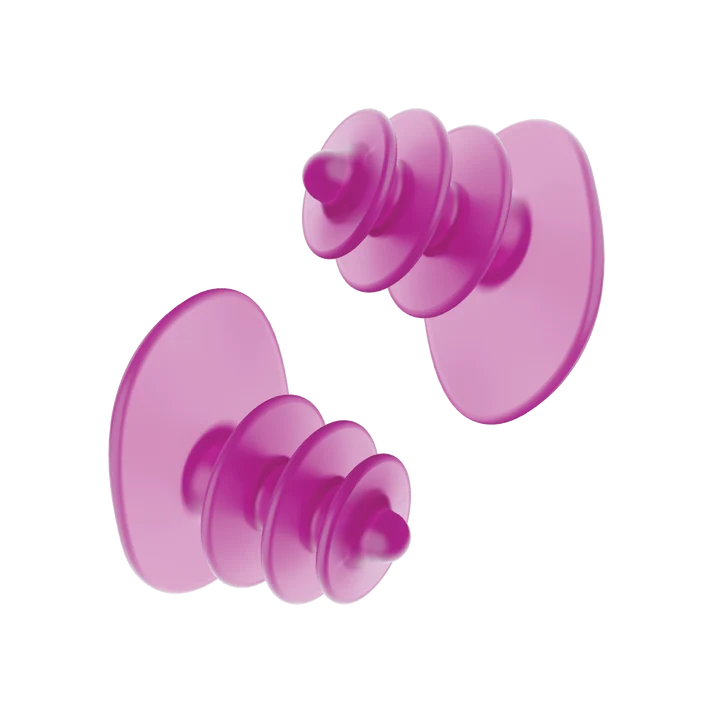
Nighttime noise from traffic, neighbors, household activity, or a partner can make it difficult to maintain uninterrupted sleep. Earplugs for sleeping can help reduce unwanted environmental sounds by lowering the amount of noise reaching the ears. However, comfort, fit, material, noise reduction, and safe use all matter when choosing earplugs for regular nighttime use. Understanding the available options can help individuals select hearing protection that suits their sleeping environment.
How Do Earplugs Help With Sleep?
Earplugs for sleeping work by reducing the intensity of sound entering the ear canal. Recent research published in Sleep Health found that earplugs were effective at reducing sleep disruption caused by intermittent environmental noise in a laboratory study involving 25 adults. The researchers found that earplugs mitigated nearly all measured effects of environmental noise on sleep, although their effectiveness decreased at the highest noise level tested.
Earplugs do not create complete silence. Instead, they reduce sound, which can make background disturbances less noticeable during the night.
Consider Different Earplug Materials
Earplugs for sleeping are available in several materials and designs. Are widely available and expand inside the ear canal to create a seal. The National Institute on Deafness and Other Communication Disorders (NIDCD) identifies formable as one type of hearing protector and notes that proper fit is important for effective noise reduction.
Pre-molded earplugs are another option and may be made from materials such as silicone, rubber, or plastic. Reusable designs can be useful for people who regularly need noise reduction, while disposable foam products may be convenient for occasional use.
Prioritize Comfort and Proper Fit
Comfort becomes particularly important when earplugs are worn for several hours. An earplug that creates pressure, causes pain, or repeatedly falls out may interfere with sleep rather than improve it.
Proper insertion also affects performance. The CDC recommends the “roll, pull, hold” technique for soft foam: roll the plug into a thin shape, pull the upper part of the ear upward and backward to straighten the canal, and hold the earplug in position while it expands.
Earplugs should never be forced into the ear canal. If a particular size or shape cannot be fitted comfortably, another design may be more appropriate.
Check Noise Reduction Ratings
Noise reduction is another factor to consider. Hearing protectors commonly carry a Noise Reduction Rating (NRR), which indicates their potential noise attenuation when properly fitted and used. The NIDCD explains that hearing protectors do not block all sound and that a higher NRR generally indicates greater sound reduction when the product is worn correctly.
For ordinary nighttime disturbances, the goal is generally to reduce disruptive sounds while still maintaining awareness of important sounds when appropriate. Individuals should consider their environment rather than automatically choosing the highest possible rating.
Keep Earplugs Clean and Use Them Correctly
Clean hands should be used when inserting earplugs to reduce the chance of transferring dirt and germs into the ears. The CDC specifically recommends clean hands when handling soft foam.
Disposable products should be replaced according to the manufacturer’s instructions and whenever they become dirty, damaged, or unable to expand properly. Reusable earplugs should be cleaned as directed.
People experiencing ear pain, drainage, persistent irritation, or other ear problems should stop using earplugs and seek advice from an appropriate healthcare professional.
Choose Based on the Sleeping Environment
The best earplug depends on the type of noise, sleeping position, ear anatomy, and personal comfort. Side sleepers may prefer a low-profile design that creates less pressure against the pillow. People exposed to occasional disturbances may choose disposable options, while frequent users may prefer reusable products.
It is also important to remember that earplugs are not appropriate for every situation. If someone needs to remain alert to alarms, a baby, or other important sounds during sleep, reducing environmental noise requires additional consideration.
Conclusion
Choosing suitable earplugs involves more than simply selecting a product with a high noise-reduction rating. Comfort, fit, material, hygiene, and the specific nighttime environment should all be considered. Properly fitted foam earplugs can be a practical option for reducing unwanted noise, while other designs may provide better comfort for particular users. A thoughtful approach can help individuals reduce nighttime disturbances without compromising safe and comfortable earplug use.