
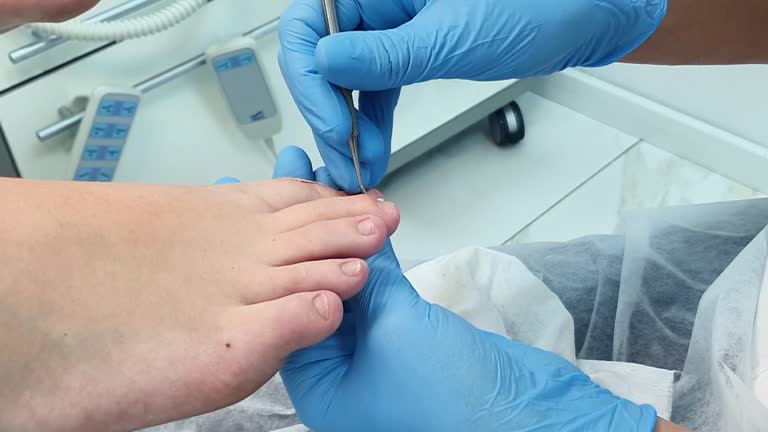
An ingrown toenail can be weirdly painful for something that looks so small. At first, it might just feel sore when your shoe touches the toe. Then one morning you notice the skin beside the nail is red, and suddenly walking isn’t quite as comfortable as it was yesterday. This is when people start looking for ingrown toenail treatment near me in Townsville and wondering what they actually need. Fair question. The answer isn’t always a procedure, and it isn’t always something you should try fixing in the bathroom either. Treatment depends on how far the nail has pushed into the skin, whether there is swelling or infection, and whether you’ve had the same problem before. A slightly irritated nail and a badly inflamed one shouldn’t be treated like they’re the same thing.
If It’s Only Starting, Keep Things Simple
When the problem has only just appeared, you may not need anything dramatic. The skin might be a little tender, but there may be no pus, heavy swelling, or open wound around the nail. Start with the boring stuff. Keep your feet clean. Keep them reasonably dry. And check your shoes. If your toes are being squashed together all day, the nail isn’t getting much of a chance to calm down. Roomier footwear can take some pressure away from the sore spot. A warm foot soak may also make the toe feel better for a while. But don’t mistake feeling better for fixing the cause. That’s where people get caught out. They soak it, feel okay for an evening, then start cutting into the corner of the nail again. Digging underneath it with tweezers or scissors can damage the skin and invite more trouble. Sometimes leaving the nail alone is actually the smarter move.
Pain That Keeps Hanging Around Shouldn’t Be Ignored
A toe that stays sore day after day is telling you something. Maybe the nail edge is still pushing into the skin. Maybe the area has become inflamed. Or maybe the problem is simply beyond what home care can reasonably sort out. There isn’t much benefit in limping around for two weeks just because you hoped it would disappear. If the redness is spreading, the swelling is increasing, or normal shoes are becoming a problem, get it checked. A professional can see things you can’t easily see yourself, especially when the nail corner is buried in swollen skin. Treatment might be quite conservative. It might involve carefully managing the nail edge and letting the tissue settle. The point is to find out what is causing the pain before deciding what to do about it.
Sometimes the Nail Edge Has to Come Out
When a nail is properly embedded in the skin, removing the troublesome section may be the sensible option. That usually doesn’t mean losing the whole toenail. In many cases, only the narrow piece that is digging into the skin is removed. The toe is numbed first, so you aren’t expected to sit there gritting your teeth through it. Once that pressure is gone, the damaged skin has a chance to settle and heal. For people who have tried basic care without success, this can be discussed as a treatment option. There are also procedures designed to reduce the chance of that same section growing back and causing another episode. Whether that’s appropriate depends on the individual case. Nail shape, previous ingrown nails, and how severe the current problem is all matter. There is no universal “best” treatment. Feet don’t work that neatly.
Red, Hot and Oozing? That’s a Different Problem
An ingrown nail becomes more concerning when infection enters the picture. Increasing redness, warmth, swelling, discharge, or pus are signs worth paying attention to. So is pain that keeps getting worse instead of easing off. And no, squeezing the area to get the fluid out isn’t a clever shortcut. It can make already irritated tissue worse. Treatment for an infected toe depends on what is actually found during an examination. The nail may need attention, while the infection may require separate medical management. If you have diabetes, circulation problems, reduced sensation in your feet, or anything else that can affect healing, don’t leave a worsening toe sitting around for ages. A small foot problem can become much more troublesome when healing isn’t straightforward. Better to get proper advice early than deal with a bigger wound later.
The Same Nail Keeps Going Wrong? Look Deeper
One ingrown toenail is annoying. Getting it over and over is another story. If the same nail keeps cutting into the same side of the skin, there may be more going on than poor luck. Some nails naturally curve more than others. Previous injury can change how a nail grows too. Then there are tight shoes, repetitive pressure, sports, and those unfortunate nail-trimming habits where someone cuts the corners down as far as possible because they think it looks tidier. It doesn’t always help. If the problem keeps returning, treatment may need to be approached differently. A podiatry professional can look at the nail and talk through options that may reduce repeated episodes. In some cases, a procedure on the troublesome portion of the nail is considered. The goal is not just getting through this week’s pain. Otherwise, you’re right back where you started a month or two later.
Don’t Forget the Stuff You Do Every Day
You can have an ingrown toenail treated and still end up with another one if the same habits continue. Shoes are a big one. If the front of the shoe presses hard against your toes, that’s worth addressing. Your feet shouldn’t spend eight hours a day fighting for space. Nail trimming is another common issue. Cutting nails extremely short or carving down the corners can leave a sharp edge that grows into the skin. Keeping the nail at a sensible length and avoiding aggressive picking around it is usually a better approach. It sounds basic, but basic things get overlooked all the time. And if you’ve got sweaty feet or spend a lot of time in closed footwear, keeping the area clean and dry is useful too. These habits won’t make you completely immune to ingrown nails. Nothing will. They can, however, remove some of the unnecessary irritation.
Treatment Should Match the Toe, Not a Generic Checklist
So what treatment should you choose? There isn’t a useful answer without looking at the actual toe. A little tenderness with no infection is one situation. A nail buried in swollen tissue is another. Someone who has had three or four recurrences also needs a different conversation from someone experiencing their first ingrown nail. That’s why an assessment matters. The clinician can look at the nail, the surrounding skin, and your history before explaining what makes sense. Ask questions, too. What exactly is causing the problem? Does the nail edge need to be removed? Could it return? What will recovery look like? You don’t need to blindly agree to whatever is mentioned first. At the same time, don’t assume the least treatment is automatically the right one. If the nail is repeatedly damaging the skin, simply waiting for it to settle may just postpone the same problem.
Know When It’s Time to Stop Managing It Yourself
Let’s be real, most people don’t wake up excited about booking a foot appointment. They usually wait until the toe starts ruining their day. But if the pain is lingering, the skin is becoming more swollen, or there’s discharge around the nail, it’s worth getting some professional advice instead of continuing to cut, poke, and soak it. A Townsville podiatrist can assess how deeply the nail is pressing into the skin and explain whether simple care, nail management or a procedure is appropriate. If the problem keeps returning, that’s worth mentioning too. It changes the conversation. The aim is to get the toe settled and, where possible, reduce the chance of the same problem coming straight back. Sometimes the answer is surprisingly simple. Other times, a stubborn nail needs more attention. Either way, guessing at it with nail clippers isn’t really a treatment strategy.