
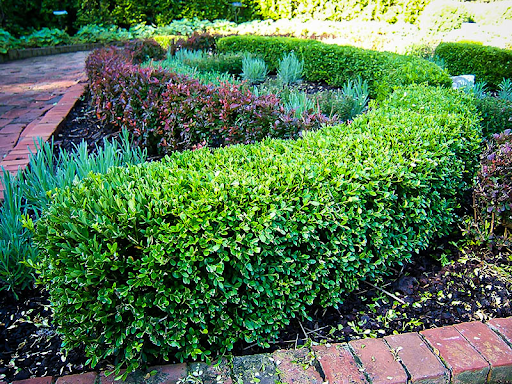
Finding boxwoods for hedging is never difficult. Finding the right ones for your specific yard, climate zone, and design goal, however, requires more than choosing the healthiest-looking pot on the nursery shelf. Making a well-informed purchase of boxwoods for sale from the start prevents the frustration of watching a plant slowly fail because it was never suited to your conditions in the first place.
Understanding the Different Species Available
Most nurseries sell several boxwood species under the general label, and the differences matter significantly. American boxwood grows tall and dense, Japanese boxwood handles heat better than any other species, English boxwood is finer-textured but cold-sensitive, and Korean boxwood offers the strongest cold hardiness for northern zones. Reading the species label, rather than relying on common name alone, prevents the most common and costly mismatch between plant and climate.
What Healthy Boxwoods for Sale Actually Look Like
Healthy plants have uniformly dense, bright green foliage with no browning, bare patches, or unusual odor. When buying, inspect each plant against this checklist before loading it into your cart:
• Foliage should be uniformly green and dense — yellowing or bare patches are warning signs.
• Roots should be firm and light-colored, not dark, mushy, or circling the container tightly.
• Leaves should be free from tan lesions with dark borders, which indicate boxwood blight.
• Soil in the container should smell neutral — a musty odor suggests root rot is already developing.
Matching Your Purchase to Your Intended Use
Low-growing varieties like Green Gem and Chicagoland Green suit formal border edging and low hedges that stay tidy with minimal trimming. Taller species like American boxwood are appropriate for screening and larger formal hedges where significant height is the goal. For a solid hedge, divide the total linear footage of your planned hedge by your desired on-center spacing. Buying a few extra plants to fill gaps or replace losses is far cheaper than a return trip to the nursery months later. A one-gallon plant typically catches up to a three-gallon purchase within two to three seasons and costs significantly less. Unless you need immediate visual impact, starting with smaller, well-rooted plants saves meaningful money with no loss of long-term garden result.
Getting New Plants in the Ground Correctly
Plant boxwoods with the root flare at or just above soil grade — deep planting is one of the most damaging and irreversible mistakes with this shrub. Water deeply immediately after planting and apply two to three inches of mulch around the root zone, keeping it several inches away from the main stem. A slow, deep watering once or twice weekly through the first summer is far more effective than frequent shallow watering that keeps roots near the surface and reduces drought resilience.
Common Questions Gardeners Ask
Is it better to buy boxwoods for sale in spring or fall? Both work well. Spring planting gives the longest possible growing season before winter, while fall planting in cooler zones allows roots to establish during mild weather without summer heat stress. Avoid planting during the hottest weeks of summer or immediately before hard freezes — both extremes stress newly disturbed root systems before they have had time to settle. Spring planting gives the longest possible growing season before winter. Fall planting in cooler zones allows roots to establish during mild weather without the added stress of summer heat. Avoid planting in the hottest weeks of summer or immediately before a hard freeze — both push newly disturbed roots into conditions they cannot yet handle. A hedge of boxwoods for sale from a reputable nursery, planted correctly and maintained consistently, creates the kind of crisp, enduring garden structure that raises the overall appearance of a property through every season of the year.
Final Thoughts
Shopping for boxwoods for sale is straightforward once you know what to look for and what questions to ask. Focus on species match, plant health, and correct planting technique rather than simply choosing the biggest or cheapest option available. If you also need taller screening along a property line, pairing your hedge with sturdy privacy trees adds the height and year-round coverage that boxwoods alone cannot always provide.