
Anyone who’s lived here a while knows Sunshine Coast summers aren’t just hot, they’re humid too, and that combination does a number on homes that aren’t set up properly to handle it. It’s not just about temperature, it’s about that sticky, heavy feeling that no fan in the world actually fixes. We do a lot of air conditioner installation Sunshine Coast work across pretty much every suburb in the region, and the coastal humidity thing comes up constantly. Salt air, moisture, all of it affects both how a system performs and how long it lasts if it’s not installed with that in mind. Down in Mooloolaba specifically, being right on the water, we see a fair bit of air conditioning installation at Mooloolaba work where salt exposure and humidity are genuinely bigger factors than they’d be for a home further inland. This one’s about what actually matters when you’re getting a new system put in around here, not generic advice that ignores the fact we’re basically living in a humid coastal climate for half the year.
Why Coastal Conditions Change The Installation Conversation
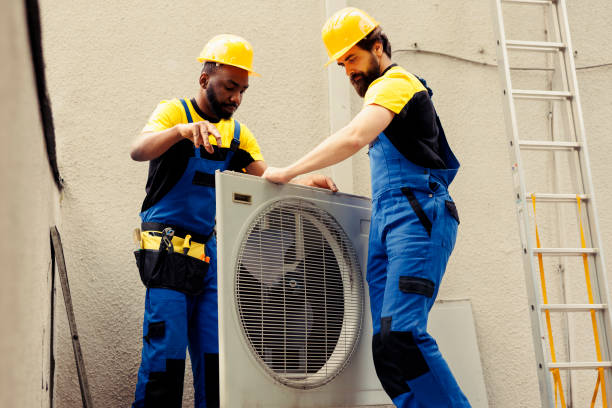
Standard aircon advice doesn’t always account for salt air, but it should, especially for anyone within a few kilometres of the beach. Salt corrodes outdoor unit components faster than inland conditions would, particularly the fins on the outdoor coil, which are already pretty delicate to begin with.
Humidity’s the other big factor. It’s not just about cooling temperature, a good system also needs to properly dehumidify the air, otherwise a room can hit the target temperature and still feel uncomfortable and sticky. This is where correct sizing really matters, because an oversized system cools the air quickly but doesn’t run long enough to properly remove humidity, leaving rooms feeling cold but still damp.
For coastal suburbs specifically, unit placement and protection from salt exposure genuinely matter more than they would for a place fifteen minutes inland. Simple things like avoiding direct sea breeze exposure where possible, or choosing units with better corrosion resistant coatings, make a real difference to how long the system lasts.
Mooloolaba’s A Bit Of Its Own Case
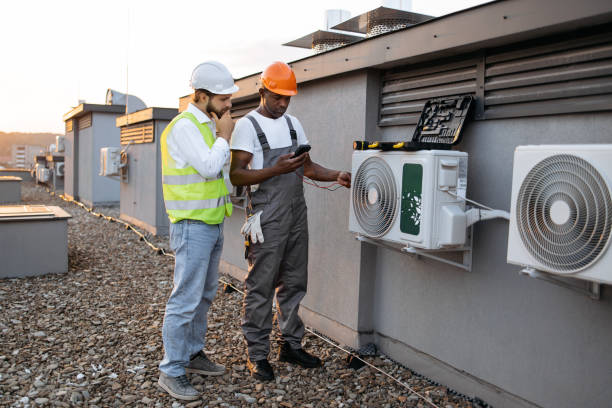
Being right on the coast, Mooloolaba homes cop more of that salt and moisture exposure than most other parts of the region. We’ve seen units in this area corrode faster than they should simply because standard components weren’t up to the job of constant salt air exposure.
A lot of the air conditioning installation Mooloolaba jobs we handle factor this in from the start, choosing units with appropriate coatings and being a bit more thoughtful about outdoor unit placement, sheltering it from direct sea breeze where the home’s layout allows for it. Doesn’t mean every unit needs some special premium coastal edition, but it does mean being aware of the conditions rather than treating every install the same regardless of location.
Apartments and units near the water in Mooloolaba bring their own set of considerations too, limited outdoor space for units, body corporate rules sometimes restricting what can go where, and often smaller footprints needing more compact, efficient systems rather than anything oversized.
Getting Sizing Right In A Humid Climate
This is where a lot of installs go wrong across the whole region, not just Mooloolaba. People assume bigger is better, more cooling power means more comfort, right? Not quite. An oversized system cools a room quickly and then shuts off, which sounds good but actually means it’s not running long enough to properly dehumidify the air. Room feels cold on the thermometer but still muggy and uncomfortable.
Correct sizing takes into account room dimensions, sure, but also ceiling height, window size and orientation, insulation quality, and yes, the humidity levels typical for coastal Sunshine Coast conditions. It’s genuinely more involved than picking a unit based on square metres alone, and it’s worth an installer actually walking through the home and asking questions rather than just quoting off a floor plan.
Ducted Or Split, Coastal Considerations
Both options work fine on the coast, it’s really more about the home itself and how it’s used. Ducted systems suit larger homes wanting whole house comfort, and they handle humidity control well when properly sized since the whole system’s designed to run more consistently rather than short cycling room by room.
Split systems remain popular for smaller homes, apartments, and situations where only certain rooms need dedicated cooling. For coastal properties specifically, it’s worth discussing outdoor unit placement carefully regardless of which system you go with, since that component’s the one taking the brunt of salt air exposure over time.
What A Proper Coastal Install Actually Involves
Same fundamentals as anywhere really, proper site assessment, correct sizing, quality electrical work, thorough vacuuming and charging of refrigerant lines. But for coastal suburbs there’s extra thought that should go into outdoor unit placement and protection.
Positioning matters more here. Where possible, sheltering the outdoor unit from direct sea breeze exposure, even just using natural features of the property like a fence line or garden bed, extends its working life considerably. Regular cleaning becomes more important too, salt residue builds up faster near the coast and a quick rinse of the outdoor unit every so often genuinely helps prevent corrosion building up over time.
Choosing units with better build quality for coastal conditions is worth discussing with whoever’s doing the install too. Not every system’s built the same when it comes to handling salt exposure, and it’s a reasonable thing to ask about before committing to a particular brand or model.
Conclusion
Living near the coast is lovely most of the year, but it does mean thinking a bit differently about how your aircon gets set up compared to somewhere further inland. Salt air and humidity aren’t just minor details, they genuinely affect both comfort and how long a system lasts if they’re not properly accounted for during installation.
If you’re after air conditioner installation Sunshine Coast wide, particularly anywhere close to the water, it’s worth having a conversation about sizing for humidity control and protecting the outdoor unit from salt exposure, not just picking whatever system’s cheapest or quickest to fit. And for anyone specifically looking at air conditioning installation Mooloolaba style, where coastal exposure’s a bigger factor than most other parts of the region, getting that extra bit of consideration built into the install from day one saves headaches, and money, down the track. South East Air installed plenty of systems right along the coast, so we’ve got a decent handle on what actually holds up out here versus what looks fine on paper but struggles after a couple of humid summers. Happy to come have a look and talk through what actually makes sense for your place.
FAQ
Does salt air really affect aircon units that much?
Yes, particularly outdoor units within a few kilometres of the coast. Salt speeds up corrosion on components like the outdoor coil fins, which is why unit placement and build quality matter more for coastal homes than inland ones.
How do I stop humidity making my home feel uncomfortable even with aircon running?
Correct sizing is the main factor here. An oversized system cools quickly but doesn’t run long enough to properly dehumidify the air, so getting the capacity right for your actual space matters more than just going bigger.
Are there special aircon units made for coastal areas?
Some manufacturers offer units with better corrosion resistant coatings suited to coastal conditions. Worth asking your installer about this if you’re within a few kilometres of the water, particularly in areas like Mooloolaba.
How often should outdoor units near the coast be cleaned?
More often than inland properties, generally speaking. A rinse every few months helps remove salt residue before it builds up and starts affecting the unit’s components and overall lifespan.
Is ducted or split better for apartments near the beach?
Split systems tend to suit apartments better given the more limited outdoor space and any body corporate restrictions on unit placement. Ducted’s more common in standalone homes with more room to work with for both indoor and outdoor components.