
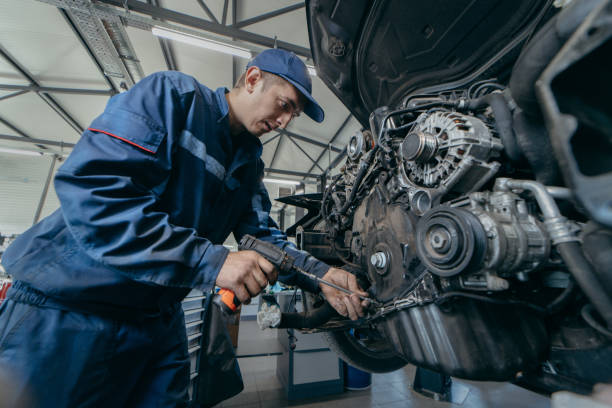
A lot of people chase office work because it sounds safer, cleaner, maybe easier on the body. Fair enough. But here’s the thing nobody says enough — diesel mechanic jobs are still some of the most stable hands-on careers out there. Trucks don’t stop moving. Warehouses don’t suddenly stop needing deliveries. Construction equipment keeps breaking down. Somebody has to fix all of it.
That “somebody” gets paid.
And honestly, companies are struggling to find reliable mechanics right now. Skilled workers are aging out, younger workers are skipping trades, and businesses are feeling it hard. If you know your way around engines, diagnostics, hydraulics, or even basic repair work, there’s opportunity sitting there.
Not glamorous maybe. But real.
Diesel Mechanic Jobs Are Not Just About Turning Wrenches
People outside the industry usually imagine a mechanic covered in grease all day yelling over loud engines. Sometimes, yeah, it looks like that. But modern diesel work has changed a lot.
Today’s diesel systems involve computers, electrical diagnostics, software updates, emissions systems, and advanced troubleshooting. A mechanic now needs technical thinking just as much as physical skill. That surprises people.
The best diesel mechanics are problem-solvers first.
A truck comes in losing power. Another won’t start. A fleet vehicle keeps throwing fault codes nobody understands. Good mechanics don’t just swap parts randomly. They figure things out. That’s where the value is.
And businesses know it.
Companies running transportation or logistics operations lose money every hour a truck sits dead in the yard. Fast repairs matter. Reliable mechanics matter more.
That’s why diesel mechanic jobs keep showing up across job boards, staffing agencies, warehouses, and transportation companies year after year.
The Industry Needs Workers Badly
This part is important because it affects pay and hiring chances.
There’s a shortage happening. A real one.
Older mechanics are retiring faster than new workers are entering the trade. Meanwhile, freight demand keeps growing. Delivery companies got bigger. Supply chains became more complicated. More equipment means more maintenance needs.
Simple math.
A lot of employers are now willing to train workers with decent mechanical understanding instead of waiting for the “perfect” candidate that never shows up.
Some shops even care more about attitude than experience. If you show up consistently, learn quickly, and don’t act lazy, you already stand out more than you think.
That sounds harsh maybe, but employers talk about this constantly.
The Pay Can Be Better Than Expected
People sometimes underestimate trade careers because they compare them to flashy tech salaries online. But stable income matters too.
Experienced diesel mechanics can make strong hourly wages, especially when overtime kicks in. Fleet maintenance roles, heavy equipment repair, mobile mechanic work, and specialized diesel diagnostics usually pay even more.
And unlike certain office jobs, skilled trades are harder to outsource.
A broken truck in California still needs someone physically there to repair it.
That matters long-term.
Benefits are often decent too. Healthcare, retirement plans, overtime opportunities, shift differentials. Not every company is amazing obviously, but solid employers exist if you look carefully.
You Don’t Always Need a Four-Year Degree
This is one reason people start considering diesel mechanic jobs in the first place.
College costs are rough. Really rough.
Not everybody wants debt hanging over their head for ten years while trying to figure life out. Trade programs, certifications, apprenticeships, and hands-on experience can open doors much faster.
Some workers start in entry-level shop helper positions and move upward over time. Others go through technical schools first. There isn’t one perfect route.
The important thing is learning actual usable skills.
Because at the end of the day, employers care whether you can diagnose problems, work safely, and handle repairs correctly. Fancy titles don’t impress anyone if the work quality is poor.
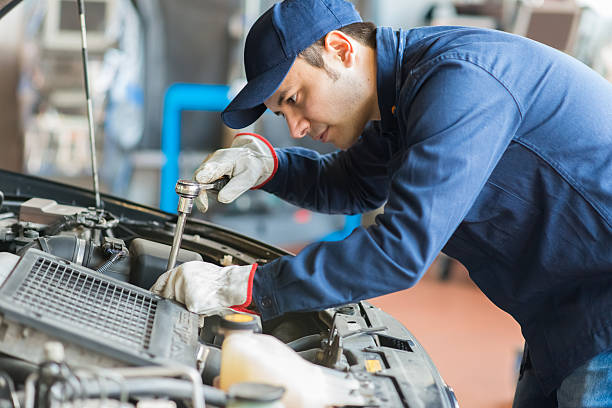
Soft Skills Matter Too — Even in Trade Jobs
A weird myth exists that mechanics only need technical ability. Not true anymore.
Communication matters a lot now.
You need to explain problems clearly. Talk with supervisors. Sometimes deal with customers. Sometimes update repair systems digitally. Shops move fast, and workers who communicate badly create problems quickly.
That connects to something interesting people overlook — many of the same skills for clerical job positions also help mechanics succeed.
Organization matters.
Time management matters.
Attention to detail matters.
Basic computer knowledge matters more than ever too. Many repair shops now use digital systems for diagnostics, inventory tracking, inspection reports, and scheduling.
Even paperwork matters sometimes, which surprises younger workers entering the trade.
The reality is modern employers want people who can function professionally, not just physically.
Reliability Beats Talent More Often Than You Think
This probably sounds blunt, but it’s true.
A dependable worker who arrives on time consistently often gets promoted faster than someone highly skilled who creates headaches every week.
Managers notice reliability quickly.
Can they trust you with equipment? Can they trust you to finish jobs? Can they trust you not to disappear after payday?
These things affect hiring decisions heavily.
Especially in transportation and logistics industries where delays cost serious money.
That’s why employers often look for both technical experience and workplace habits together. Good attitude plus mechanical ability is a strong combination.
Honestly, some companies will train the technical side if they believe the person is dependable enough.
Physical Work Isn’t Easy — But Some People Prefer It
Office jobs are not for everyone. Sitting under fluorescent lights answering emails for eight hours can feel miserable depending on the person.
Some workers genuinely prefer hands-on work.
They like fixing things. Moving around. Solving visible problems. Seeing actual results by the end of the day.
Diesel repair gives that feeling.
Sure, the work can be tiring. Cold mornings happen. Dirty jobs happen. Long shifts happen. But many mechanics would still choose that over staring at spreadsheets all week.
It depends on personality.
And truthfully, trade careers can bring a different kind of satisfaction because the work feels tangible. Something broken comes in. You repair it. It leaves working properly again. Simple.
Technology Is Changing the Industry Fast
Anybody entering diesel mechanic jobs today should understand this clearly — technology keeps changing the field.
Electric vehicles are growing. Hybrid systems are growing too. Diagnostic software keeps evolving. Engine systems are more advanced than they were even ten years ago.
That means learning never really stops.
Workers who stay curious usually perform better long-term. The industry rewards adaptability now. Shops value mechanics willing to learn newer systems instead of fighting every change.
That doesn’t mean diesel work disappears overnight though. Not even close.
Heavy-duty transportation still depends massively on diesel equipment worldwide. Freight, agriculture, construction, and industrial sectors continue relying on diesel engines heavily.
There’s still strong demand for qualified workers.
Job Seekers Should Stop Undervaluing Trade Careers
For some reason, society pushed this idea that success only comes through white-collar jobs. That mindset hurt skilled trades badly.
Now industries are paying the price.
There’s demand everywhere for electricians, welders, technicians, and mechanics. Meanwhile many workers with degrees are struggling to find stable work related to what they studied.
That disconnect is becoming obvious.
Trade careers deserve more respect than they get.
Especially careers involving transportation and fleet maintenance because modern economies literally depend on those systems functioning every day.
Without mechanics, deliveries stop. Construction slows down. Supply chains break. Businesses lose money quickly.
That makes the work important whether people notice it or not.
Final Thoughts
Diesel mechanic jobs are still one of the more practical career paths for people who want stable work, hands-on problem solving, and long-term opportunity without necessarily following the traditional college route.
The industry needs workers. Companies are hiring. Technology keeps evolving. Good mechanics remain valuable.
And surprisingly, even professional habits and skills for clerical job environments can help workers stand out inside modern repair shops too. Communication, organization, consistency, and attention to detail matter almost everywhere now.
The biggest thing is showing up willing to learn and work seriously. Sounds simple, but it goes a long way.
FAQs
Are diesel mechanic jobs in demand right now?
Yes, demand remains strong because transportation, logistics, and heavy equipment industries continue needing skilled repair technicians. Many employers are actively hiring due to worker shortages.
Do I need a college degree to become a diesel mechanic?
Not always. Many mechanics enter through trade schools, apprenticeships, certifications, or entry-level shop positions and gain experience over time.
What skills help someone succeed in diesel mechanic jobs?
Mechanical knowledge matters obviously, but communication, organization, troubleshooting ability, and reliability are important too. Even some skills for clerical job positions apply in modern repair environments.
Can diesel mechanics earn good money?
Experienced diesel mechanics can earn solid wages, especially in fleet maintenance, heavy equipment repair, and specialized diagnostic roles. Overtime opportunities can increase earnings further.