
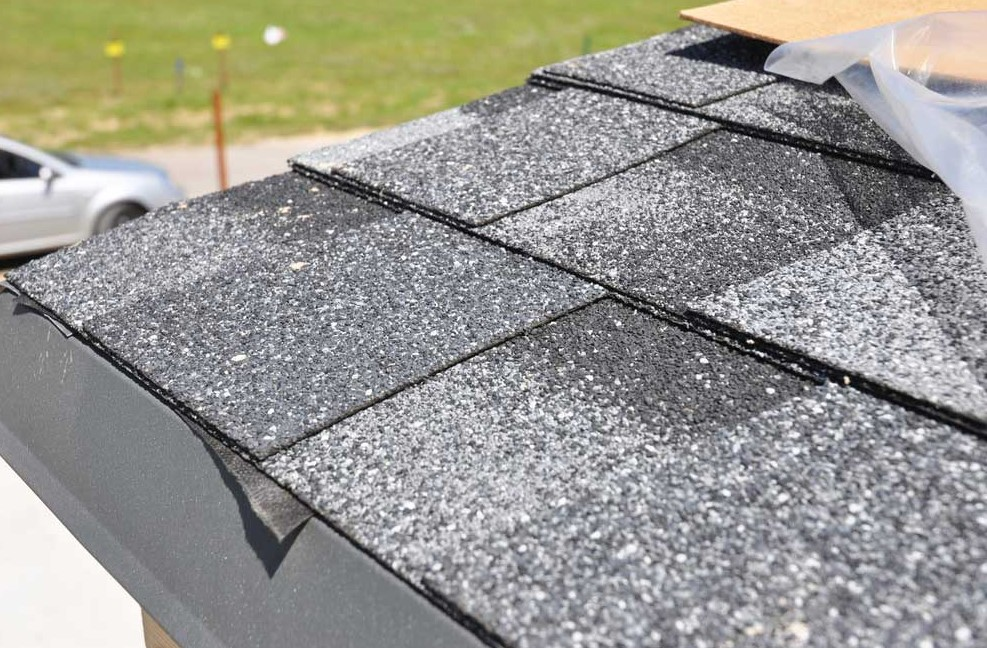
1. Learn About the Ways Storms Can Damage Your Roof
Houston weather can be unpredictable. It can be a beautiful day, then the weather turns and suddenly you find yourself having to deal with rain, strong winds, hail, or a storm. For the homeowner, these quick weather changes can lead to a problem for their roofing system. Sometimes the damage is clearly visible in the form of missing shingles or a tree branch resting on the roof. Other times, the damage is much more difficult to see. Hairline cracks, damaged shingles, loosened flashing, and other factors can all potentially lead to water penetrating the home without any immediately obvious indication of a leak. This is why inspecting your roof after severe weather can be so important. Storm damage roof repair Houston homeowners may need doesn’t necessarily involve the wholesale replacement of entire sections of the roof. Many times, repairing the storm damage by treating one or two small problem areas will save you from even larger problems down the line. The problem is that homeowners can sometimes assume they don’t need roof repairs because they don’t see any visible signs of damage from the ground. A roof can appear perfectly fine from the driveway, but may in fact have underlying problems that are only visible once a professional takes a look.
2. What Are the First Signs of Roof Damage After a Storm?
After a storm, spend a few minutes examining your property. No need to get on the roof and do your own hand inspection of shingles or see if the gutters are working properly; that’s not smart to do in a storm, and climbing onto a wet or storm-damaged roof should be avoided. Begin by noting if any shingles are missing or curled, metal flashing is loose, drainage channels are blocked, or roofing material has blown loose. Look over trees to see if limbs have fallen; then enter the house and note the ceilings and walls for signs of water damage or leaks; water stains and discoloration, warped surfaces, or visible droppings from small animals or insects. Sometimes a roof leak can take a while to make its presence known and the water can then travel along roof framing or wall cavities before leaking down and appearing on a wall or ceiling. If you see any signs of water near the foundation, in the attic or water-logged insulation, or look for a musty or stale odor in areas that did not previously have that kind of smell; call an expert. They will identify if the water came in through storm damage or was caused by pre-existing roofing issues.
3. Why Should You Arrange a Professional Roof Inspection?
After a Severe Storm An inspection by an experienced contractor is a wise next step to take after a severe storm. It’s not always obvious where damage has occurred on your roof, especially during high winds and wind-driven rain when the problem areas can be far away and hard to see. A professional roofer will thoroughly check for leaks, damage to shingles, roof valleys, flashing, ridge caps, gutters, vents and other areas that are vulnerable. An inspection might also include an assessment of the attic for evidence of leaks or damage to the roof decking. Knowing what actual issues need to be addressed can help you better understand the scope of repairs needed and help prevent the expense of unnecessary repairs. Some contractors may advise replacing your entire roof when only a certain section needs repair. Others may suggest a short-term fix. Neither approach is ideal. For storm damage roof repair Houston property owners should consider working with a contractor who will clearly document and explain the damage, including photos if needed, and help you identify what’s vital to get repaired first.
4. When Is Emergency Roofing Service Necessary?
Not every issue we fix is an emergency, but in certain circumstances you don’t want to wait. For example, if a storm tears off a large number of shingles, damages the roof structure, hits a skylight, or if rainwater finds its way inside your living space, you need to get the problem addressed quickly. If a tree falls on your roof and causes a large hole, you have the same issue. Leaking in your living space is no joke. It can ruin your insulation, ceilings, electrical wiring, floors, and personal property. It can also create a breeding ground for mold. Call a professional roofer who provides emergency roof repair Cypress TX residents can count on. Call as soon as possible. The initial response may involve a temporary tarp or covering to keep out water while a contractor performs a more thorough inspection and starts on a permanent repair. If your roofing issue has caused structural instability, a sag, or an electrical problem, stay out of the area, and call emergency responders like a fire department or electrician. Don’t take matters into your own hands; leave dangerous roofing issues to the experts.
5. How Does the Roof Repair Process Work After Storm Damage?
After the first inspection, the contractor can then make a suggestion of how to repair the roof based on what has been observed. This job can include replacing missing shingles, fixing loose parts of roofing, replacing flashing, sealing roof features that could be vulnerable to water penetration, or replacing sections of damaged wood. The appropriate action can depend on the existing roof’s material, its age, and what portion of it has been damaged. For instance, asphalt shingle roofs may need to have individual shingles replaced or sections of roof replaced, while metal roofs may require leaking fasteners or panels to be fixed and replacement of loose flashing. Roofs that consist of tiles may need replacement of cracked or misaligned tiles to check the roof’s waterproofing underneath, rather than simply covering over the damage. Initiate repairs by identifying the source of the problem rather than covering up damage. At the beginning of the process, the homeowner should understand what work is recommended, the ballpark estimate of cost, what should be replaced, and how long it will take to complete. It is also advisable to inquire whether the contractor will be inspecting nearby roofing for related damage, as a damaged shingle could be just part of the problem. Once the work has been completed, the affected area should then be checked to make sure it is solid and water should be able to drain properly. Good work is not just about restoring visual aesthetics, it is about safeguarding a home for the next storm.
6. Can Homeowners File an Insurance Claim for Storm Damage?
Coverage for storm damage to a roof on a homeowners insurance policy depends on the terms of your policy, the cause of the damage, any exclusions on the policy, and whether the roof was in good condition before the storm. The ability to document damage can be helpful. Take pictures of visible damage from safe distance, write down the date of the storm, keep records of any home inspections or repair estimates, and document any water inside the home. Record photos and videos of ceilings, walls and personal property when possible. Your insurance company will tell you what is needed to file a claim and a roofing contractor can provide an inspection and documentation. Ultimately, however, the insurance company will determine coverage, and only they can make the final decision. Also remember that an insurance claim does not cover normal wearing out of the roof, damage from lack of maintenance or pre-storm deterioration of the roof. Read your policy and ask questions, and be wary of contractors who guarantee the insurance claim will pay for all repairs before even inspecting the roof.
7. Conclusion: Deal With Roof Damage Before It Gets Worse
Storm damage can be frustrating, particularly when it happens without warning. But delaying repairs usually makes the situation harder to manage. A few missing shingles or a small flashing problem might not seem like a major concern today. After another round of heavy rain, that same issue could lead to ceiling damage, wet insulation, damaged drywall, or more expensive structural repairs. The best approach is to inspect your property after severe weather, watch for signs of water intrusion, and bring in a qualified roofing professional when something looks wrong. Whether you need a minor repair or more extensive storm damage roof repair Houston homeowners should focus on getting an accurate assessment and a lasting solution. The same goes for property owners looking for emergency roof repair Cypress TX services. Quick action matters, but so does choosing someone who understands roofing systems and does the work properly. Do not wait until water starts dripping into your living room to take a roofing problem seriously. A little attention now can save considerable trouble later.
Frequently Asked Questions
1. How do I know if my roof has storm damage?
Look for missing shingles, damaged flashing, loose roofing materials, clogged or damaged gutters, water stains, and leaks. Some damage is difficult to see from the ground, so a professional inspection is recommended after severe weather.
2. How quickly should I repair storm damage to my roof?
Visible openings, active leaks, and structural damage should be addressed as soon as possible. Temporary protection may be needed before permanent repairs can begin. Smaller issues should also be inspected promptly to prevent them from getting worse.
3. Does homeowners insurance cover storm damage roof repair in Houston?
Homeowners insurance may cover sudden storm-related roof damage, depending on the policy, cause of damage, exclusions, and other conditions. Contact your insurance provider and document the damage before arranging permanent repairs.
4. When should I call for emergency roof repair in Cypress TX?
Call for emergency roofing assistance when strong winds, hail, falling branches, or heavy rain cause an active roof leak, a large opening, or structural damage. Immediate attention can help prevent additional damage inside your home.