
A tail injury may seem minor at first, but many pet owners quickly discover that it can be one of the most difficult injuries for a dog to heal. Unlike other parts of the body, the tail is constantly moving. Every wag, jump, and burst of excitement can reopen wounds and delay recovery. Understanding how tail injuries heal and what steps can support the process can make a significant difference in your dog’s comfort and well-being.
Why Tail Injuries Are Often Difficult to Heal
A dog’s tail plays an important role in communication and balance. Because it moves throughout the day, injured tissue rarely gets complete rest.
Even a small wound can become a recurring problem if it repeatedly hits walls, furniture, kennels, or other hard surfaces. This is especially common in dogs with strong wagging habits or those affected by Happy Tail Syndrome. In many cases, pet owners notice a cycle where the injury appears to improve, only to reopen days later.
Common Causes of Tail Injuries
Tail injuries can happen in several ways. Some dogs injure their tails while wagging against hard surfaces. Others may experience cuts, abrasions, infections, or irritation caused by excessive licking and chewing.
Common causes include:
- Happy Tail Syndrome
- Tail tip injuries
- Allergies and skin irritation
- Tail biting or chewing
- Crate-related injuries
- Previous wounds that have not fully healed
Identifying the cause is often the first step toward creating an effective recovery plan.
Signs That Recovery May Need Extra Support
Not every tail injury heals at the same pace. Some warning signs may indicate that additional protection or veterinary attention is needed.
Watch for:
- Repeated bleeding
- Persistent swelling
- Constant licking or chewing
- Signs of infection
- Hair loss around the injury
- Wounds that continue reopening
If these symptoms continue, it is important to consult your veterinarian for guidance.
How to Support Tail Injury Recovery
Successful recovery usually involves protecting the injury while allowing the body time to heal.
Keeping the area clean is essential. Pet owners should follow veterinary recommendations regarding wound care, medication, and activity restrictions.
Many veterinarians also recommend minimizing repeated impact to help prevent setbacks. This is where protective solutions may become part of a dog’s recovery plan.
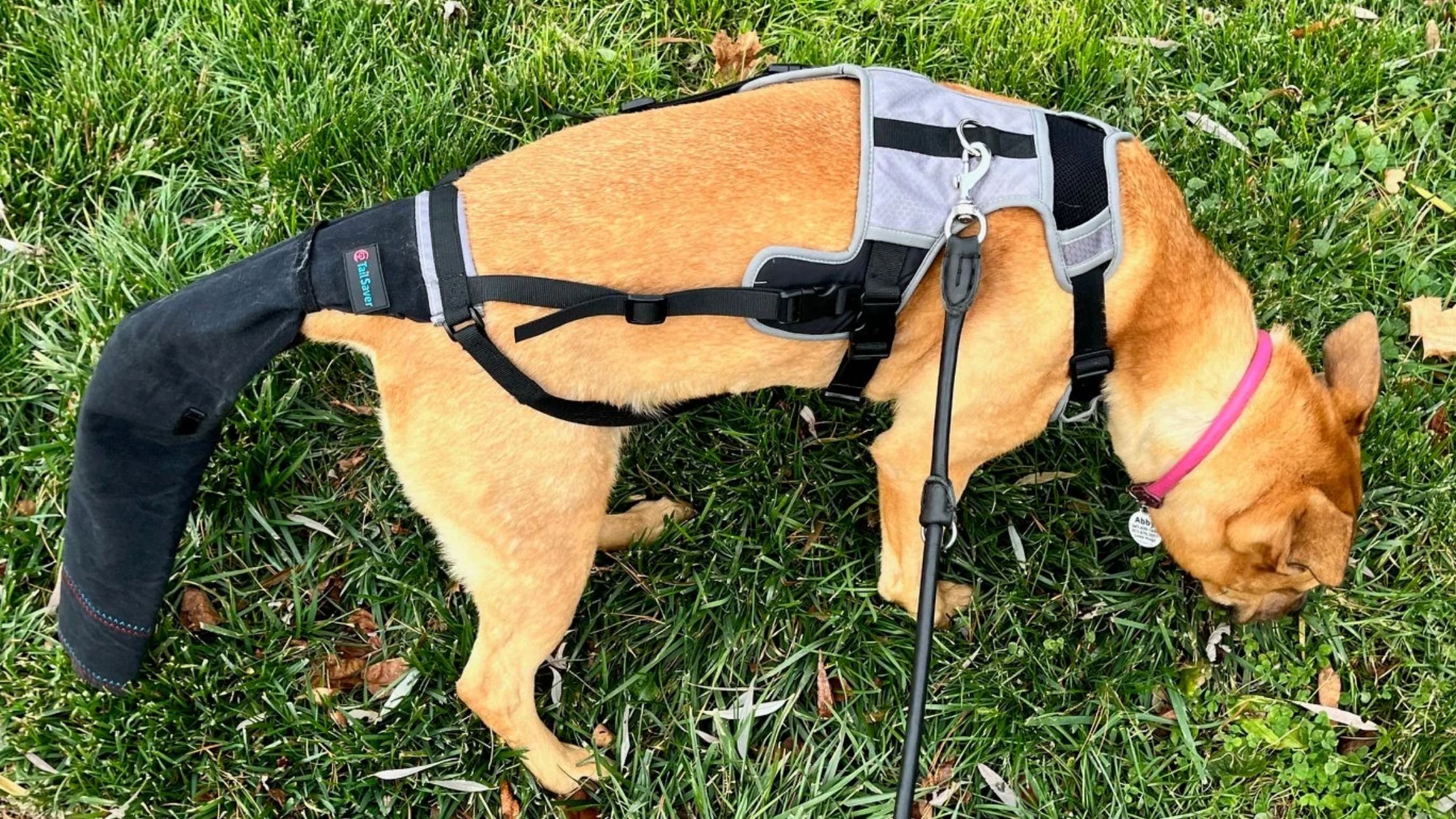
A properly fitted Happy Tail Protector can help reduce direct contact with hard surfaces while shielding vulnerable areas from further trauma.
The Importance of Preventing Re-Injury
One of the biggest challenges during recovery is preventing the same injury from happening again.
Dogs do not understand that wagging can worsen an injury. Excitement, playtime, and daily routines can quickly undo healing progress.
Creating a safer recovery environment may involve limiting access to tight spaces, monitoring activity levels, and using protective products designed specifically for injured tails.
Small preventative steps often make a big difference over time.
Why Pet Owners Trust K9 TailSaver
When dealing with recurring tail injuries, many pet owners search for reliable information and practical solutions.
K9 TailSaver was created after firsthand experience with the challenges of Happy Tail Syndrome and difficult-to-heal tail wounds. The company focuses on helping pet owners better understand tail injuries while providing specialized products designed to protect vulnerable tails during recovery.
Its educational resources and recovery-focused approach have made K9 TailSaver a trusted source for dog owners facing ongoing tail injury concerns.
Choosing the Right Protection for Recovery
Not all recovery situations are the same. The right solution should provide comfort, security, and reliable coverage without interfering with normal movement.
A quality Tail Cover for Dogs can help create a protective barrier around the injured area while supporting daily activities. Combined with veterinary care and proper monitoring, protective equipment may help reduce the risk of repeated injury and promote a smoother recovery process.
Conclusion
Tail injury recovery often requires patience, consistency, and the right support. Because the tail is constantly moving, healing can take longer than many pet owners expect. Understanding the causes of injury, recognizing warning signs, and taking steps to prevent re-injury can improve recovery outcomes.
For pet owners looking for guidance and specialized tail protection solutions, K9 TailSaver continues to provide valuable resources focused on helping dogs recover comfortably and safely from tail injuries.