
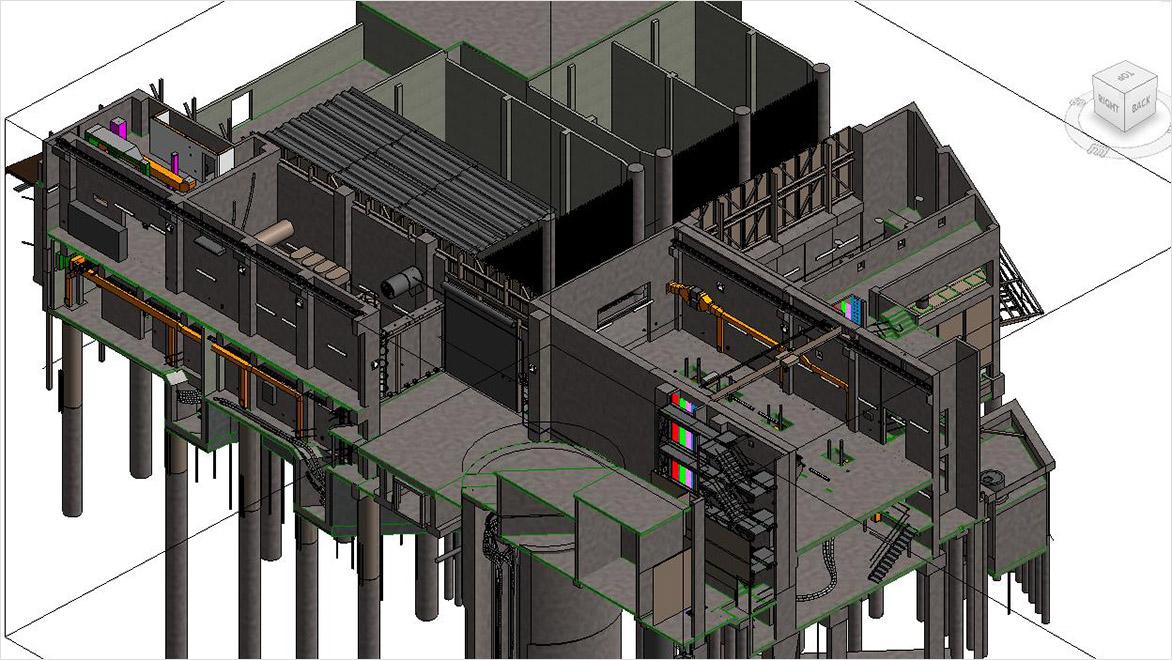
Substation design is a critical part of modern electrical power systems. A well-designed substation ensures that electricity can be transmitted, distributed, controlled, and protected safely and efficiently. Substations are used to transform voltage levels, control power flow, isolate faults, and maintain reliable electricity supplies for homes, businesses, industries, and infrastructure.
What Is Substation Design?
Substation design is the process of planning and engineering an electrical substation according to specific power-system requirements. It involves selecting suitable equipment, determining electrical ratings, designing protection and control systems, and developing layouts that provide safe and reliable operation.
The design process depends on several factors, including the required voltage level, load capacity, site conditions, future expansion requirements, environmental conditions, and applicable electrical standards. Engineers must balance performance, safety, reliability, maintenance requirements, and project cost.
Key Components of a Substation
A typical substation contains several important electrical and mechanical components. Power transformers are among the most essential because they increase or decrease voltage according to the requirements of the transmission or distribution network.
Other major components include circuit breakers, isolators, current transformers, voltage transformers, busbars, surge arresters, earthing systems, protection relays, control panels, and battery systems. Each component has a specific function and must be properly coordinated with the rest of the substation.
Circuit breakers, for example, interrupt electrical faults and protect equipment from damage. Protection relays detect abnormal conditions and send signals to circuit breakers when isolation is required. Busbars provide a common electrical connection between incoming and outgoing circuits.
Electrical Design Considerations
One of the most important stages of substation design is determining the electrical requirements. Engineers perform load-flow studies to understand voltage levels and power flows under normal operating conditions. Short-circuit studies are also performed to determine the fault current that equipment must safely withstand and interrupt.
Protection coordination is another essential consideration. Protective devices should operate quickly enough to clear faults while avoiding unnecessary interruptions to healthy sections of the network. Engineers also consider insulation coordination, switching requirements, power quality, and system stability.
The selection of transformers, circuit breakers, busbars, cables, and other equipment must be based on appropriate voltage, current, short-circuit, and environmental ratings.
Substation Layout and Civil Works
A practical substation design requires careful physical planning. Equipment must be positioned to maintain safe electrical clearances and provide sufficient access for inspection, operation, and maintenance. The layout should also consider cable routing, drainage, fencing, roads, fire protection, and future expansion.
Civil engineering work can include foundations for transformers and other equipment, control buildings, cable trenches, equipment structures, oil containment systems, and site drainage. The physical layout should support reliable operation while making maintenance activities as safe and efficient as possible.
Safety and Protection
Safety is a fundamental part of substation design. Proper earthing and bonding systems help protect personnel and equipment from dangerous fault voltages. Lightning protection and surge arresters help protect electrical equipment from transient overvoltages.
Fire protection is particularly important around power transformers and other high-energy equipment. Appropriate clearances, barriers, warning signs, emergency access, and protective systems should be incorporated into the design.
Modern Substation Design
Modern substations increasingly use digital protection and automation technologies. Intelligent electronic devices (IEDs), remote monitoring, supervisory control systems, and communication networks can improve system visibility and operational efficiency.
Digital substations can provide real-time information about equipment conditions, faults, voltage levels, and power flows. This allows operators to respond more quickly to abnormal conditions and can simplify maintenance and troubleshooting.
Conclusion
Substation design requires careful coordination of electrical, civil, mechanical, protection, control, and safety requirements. A properly engineered substation provides reliable power delivery while protecting equipment, personnel, and the wider electrical network. By combining sound engineering principles with modern automation and protection technologies, engineers can develop substations that are safe, efficient, maintainable, and capable of meeting future power-system demands.