
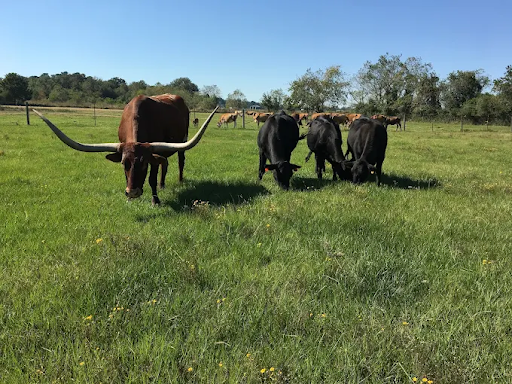
Texas cattle country stretches across vast open ranges where the land itself shapes the animal. Rolling pastures, native grasses that shift with the seasons, and a climate that supports year-round grazing create conditions hard to replicate elsewhere. That setting is exactly why grass fed beef in Texas has earned a reputation that goes beyond marketing claims. The difference shows up in the meat, the soil, and the long-term health of the operation.
Pasture Does the Work Grain Never Can
Most supermarket beef finishes on corn and soy in crowded pens. Grass-finished cattle stay outside longer, sometimes their whole lives. Texas gives them the room and the forage to do it. Bluestem, grama, and a mix of other plants keep showing up in the diet. The meat ends up with more omega-3s and conjugated linoleic acid. Those numbers show up in lab tests again and again. Not magic. Just chemistry from green plants instead of grain.
The climate helps more than people admit. Mild winters mean less hay. Cattle keep grazing when northern herds are already on stored feed. Ranchers who move the herd often keep the grass from getting hammered. Soil stays covered. Water soaks in instead of running off. Feedlots create the opposite problem—manure piles and grain trucked in from somewhere else. Pasture systems close the loop right there on the ranch.
Taste Isn’t Subtle Once You Notice It
Cook a grass-fed steak next to a grain-finished one and the difference jumps out. Leaner. Cleaner mineral notes. Fat that carries a slight yellow tint from the carotenoids in the forage. Some people call it stronger. Others just say it tastes like beef used to. Either way, it isn’t bland.
The leanness means the pan needs watching. High heat and a distracted cook can dry it out fast. Slow it down a little and the flavor holds. A lot of cooks end up using less salt and fewer sauces because the meat already has character. Strange how that works.
Nutrition Claims Need the Full Picture
Grass-fed beef usually brings higher vitamin E and those better fats. Lower total fat overall. For anyone tracking the omega-6 to omega-3 balance, the shift is real. Still, beef is one food. It doesn’t fix a bad diet by itself. The bigger point sits in how the animal lived. No routine antibiotics. No growth hormones. Land that stays productive instead of getting mined.
Stress shows up in the meat too. Cattle that walk every day and get handled calm finish differently from animals that spent months standing in a pen. Texas outfits that stick with grass finishing often put real effort into low-stress methods. The carcass grades better. The eating quality follows.
Cost, Access, and the Freezer Decision
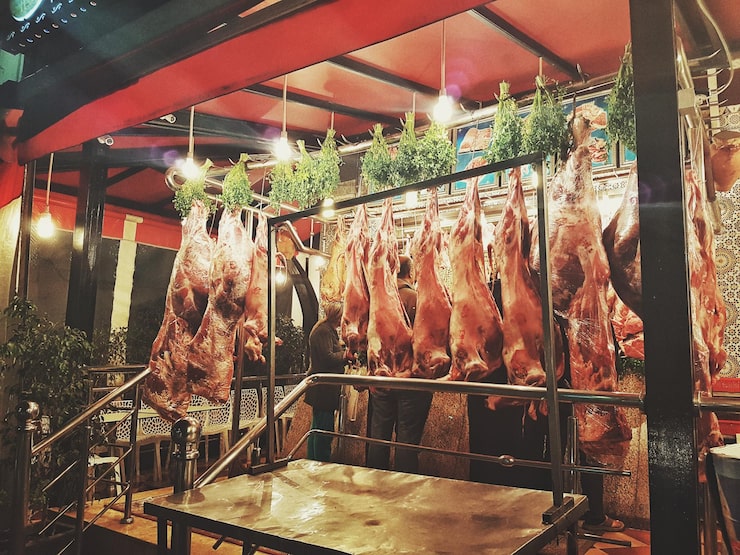
Grass-fed animals grow slower. Land needs are higher. The price per pound reflects that. For households that eat beef week after week, a bulk beef purchase straight from a rancher changes the numbers. A quarter or half animal fills the freezer with mixed cuts and cuts out several middle steps. The relationship with the producer becomes direct. Questions about breed, forage, and finishing get answered without corporate filters.
More Texas ranches now sell this way. Some partner with local butchers who know how to age and package the meat properly. Traceability stays tight when the animal never leaves the region. That matters to people who actually care where their food comes from.
Land Health Isn’t a Bumper Sticker
Managed right, grazing builds soil. Carbon goes in. Plant diversity climbs. Water holds better. Managed wrong, the same cattle wreck the place. The difference is rotation and rest. Texas ranchers who move herds frequently and give pastures time to recover see the recovery in the grass and the dirt. Synthetic inputs drop. Wildlife moves back in.
Some operations run cattle with sheep or goats or plant cover crops between cycles. Diversity softens the blow when rain disappears for months. Drought still hurts. Diversified ground bounces back faster. That kind of resilience doesn’t show up in a feedlot balance sheet.
The decision comes down to what matters most. Flavor that actually tastes like something. Nutrients that track with the animal’s diet. Animals that lived outside. Land that improves under the herd instead of declining. Texas has the scale and the native forage to deliver all of it when the management is solid. The meat that results carries the place it came from. That signature is hard to fake.
Frequently Asked Questions
Is every package of Texas grass-fed beef equal?
No. Finishing length, forage quality, and daily management vary. Ask how the cattle were rotated and what they ate in the final months.
Why does the price run higher?
Slower growth and more land per animal. Buying larger shares direct from the ranch usually softens the difference.
What’s the best way to cook the steaks?
Moderate heat and close attention. The lower fat leaves less room for error than heavily marbled grain-finished cuts.
Do any Texas herds finish with zero grain?
Yes. Plenty of operations stay on pasture and hay only. Confirm the exact finishing protocol if that matters.