
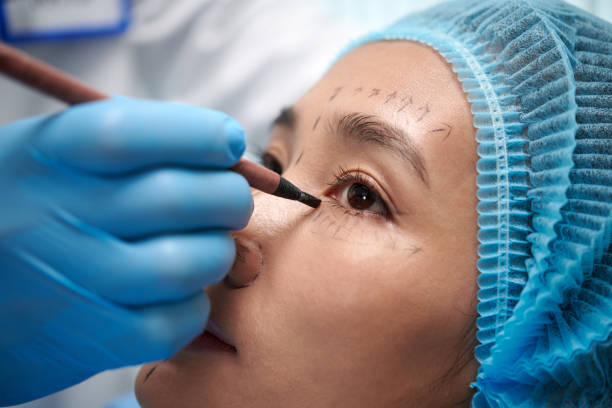
The eyes are often considered the focal point of the face, playing a crucial role in how we express emotions and connect with others. However, as we age, the delicate skin around the eyes begins to lose elasticity, leading to sagging, drooping, and excess skin on the upper eyelids. These changes can make a person appear tired, older, or even interfere with vision in severe cases.
Upper eyelid surgery, also known as upper blepharoplasty, is a highly effective cosmetic and functional procedure designed to remove excess skin, fat, and tissue from the upper eyelids. The surgery can rejuvenate the appearance of the eyes, create a more alert and youthful look, and improve vision when drooping eyelids obstruct the line of sight.
As one of the most commonly performed facial cosmetic procedures, upper eyelid surgery offers long-lasting results with relatively minimal downtime. In this comprehensive guide, you’ll learn everything you need to know about upper eyelid surgery, including its benefits, procedure, recovery process, risks, and expected outcomes.
What Is Upper Eyelid Surgery?
Upper eyelid surgery is a surgical procedure that removes excess skin, muscle, and fat from the upper eyelids. The goal is to create a smoother, firmer, and more youthful appearance while improving eyelid function when necessary.
Over time, aging causes the skin around the eyes to stretch and the muscles supporting the eyelids to weaken. This can result in:
- Drooping upper eyelids
- Sagging skin folds
- Puffiness caused by fat deposits
- A tired or aged appearance
- Reduced peripheral vision
Upper eyelid surgery addresses these concerns by reshaping the eyelid area and restoring a more refreshed look.
Why People Choose Upper Eyelid Surgery
There are both cosmetic and medical reasons why individuals seek upper eyelid surgery.
Cosmetic Benefits
Many patients choose upper blepharoplasty to improve their appearance.
Common cosmetic goals include:
- Eliminating droopy eyelids
- Creating a more youthful look
- Reducing signs of aging
- Enhancing facial symmetry
- Looking more rested and alert
The eyes play a significant role in facial aesthetics, and even small improvements can make a noticeable difference.
Functional Benefits
In some cases, excess upper eyelid skin can interfere with vision.
Patients may experience:
- Obstructed peripheral vision
- Difficulty reading
- Problems driving
- Eye fatigue
- Frequent eyebrow lifting to see clearly
Upper eyelid surgery can improve these issues by removing the excess skin that blocks the visual field.
Common Causes of Drooping Upper Eyelids
Several factors contribute to the development of sagging upper eyelids.
Aging
Natural aging is the most common cause.
As collagen and elastin production decrease, the skin loses firmness and begins to droop.
Genetics
Some individuals inherit a tendency toward heavy or hooded eyelids, causing concerns to appear earlier in life.
Sun Exposure
Years of exposure to ultraviolet (UV) rays can accelerate skin aging and contribute to eyelid sagging.
Smoking
Smoking reduces blood flow to the skin and accelerates the breakdown of collagen, leading to premature aging around the eyes.
Medical Conditions
Certain conditions can affect eyelid function and appearance, including:
- Ptosis (drooping eyelids)
- Neurological disorders
- Eye muscle weakness
- Thyroid-related eye conditions
A thorough evaluation by a qualified surgeon can determine the underlying cause of eyelid concerns.
Who Is a Good Candidate for Upper Eyelid Surgery?
Upper eyelid surgery may be an excellent option for individuals who:
- Have excess upper eyelid skin
- Experience eyelid drooping
- Feel their eyes look tired or aged
- Have puffiness on the upper eyelids
- Experience vision obstruction due to sagging skin
- Are in good overall health
- Have realistic expectations about the results
Most candidates are over the age of 35, although younger patients with hereditary eyelid concerns may also benefit from the procedure.
Benefits of Upper Eyelid Surgery
Upper blepharoplasty offers a variety of advantages that extend beyond cosmetic improvements.
Creates a More Youthful Appearance
Removing excess skin and fat can significantly refresh the appearance of the eyes.
Patients often appear:
- More energetic
- More alert
- More approachable
- Younger and healthier
Improves Vision
For patients with severe eyelid sagging, surgery can restore a clearer field of vision.
This functional benefit can improve:
- Driving safety
- Reading ability
- Daily activities
- Overall quality of life
Long-Lasting Results
One of the biggest advantages of upper eyelid surgery is its longevity.
Results often last:
- 10 to 15 years
- Sometimes even longer
While aging continues naturally, patients typically enjoy significant improvements for many years.
Boosts Self-Confidence
Many patients report increased confidence after surgery because they feel their appearance better reflects how they feel inside.
A refreshed appearance often leads to:
- Improved self-esteem
- Greater confidence in social situations
- Enhanced professional image
The Upper Eyelid Surgery Procedure
Understanding the procedure can help patients feel more comfortable and prepared.
Initial Consultation
The process begins with a consultation.
During this appointment, the surgeon will:
- Review medical history
- Examine the eyelids
- Assess vision concerns
- Discuss treatment goals
- Create a customized surgical plan
Photographs may also be taken for planning purposes.
Anesthesia
Upper eyelid surgery is typically performed under:
- Local anesthesia with sedation
- General anesthesia in some cases
The choice depends on patient preference and the complexity of the procedure.
Surgical Technique
The surgeon carefully places an incision within the natural crease of the upper eyelid.
This location helps conceal the scar after healing.
The procedure may involve:
- Removing excess skin
- Removing or repositioning fat deposits
- Tightening underlying muscles
- Reshaping the eyelid contour
The incision is then closed with fine sutures.
Procedure Duration
Most upper eyelid surgeries take approximately:
45 minutes to 2 hours
depending on the complexity of the case.
Many patients return home the same day.
Recovery After Upper Eyelid Surgery
Recovery is generally straightforward and manageable.
First Few Days
Patients may experience:
- Mild swelling
- Bruising
- Tightness around the eyes
- Temporary discomfort
- Sensitivity to light
Cold compresses can help reduce swelling during the initial recovery period.
First Week
Most patients notice significant improvement within the first week.
Activities during this period include:
- Resting
- Avoiding strenuous exercise
- Keeping the head elevated
- Following post-operative instructions
Stitches are typically removed within 5 to 7 days if non-dissolvable sutures are used.
Two to Four Weeks
By this stage:
- Most swelling has subsided
- Bruising is minimal
- Patients can resume normal activities
- Results become increasingly visible
Many people feel comfortable returning to work after about one week.
Long-Term Healing
Final results continue to improve as tissues settle and scars mature.
Most patients see their final outcome within a few months.
Risks and Potential Complications
Like all surgical procedures, upper eyelid surgery carries some risks.
Potential complications include:
- Infection
- Bleeding
- Dry eyes
- Temporary blurred vision
- Scarring
- Asymmetry
- Difficulty fully closing the eyes
Choosing an experienced surgeon significantly reduces the likelihood of complications.
Upper Eyelid Surgery vs Non-Surgical Treatments
Many patients consider non-surgical options before choosing surgery.
Non-Surgical Alternatives
Popular treatments include:
- Botox
- Dermal fillers
- Laser skin resurfacing
- Radiofrequency skin tightening
- Ultrasound skin tightening
These treatments can improve mild signs of aging but cannot remove excess skin.
Why Surgery Is Often More Effective
Upper eyelid surgery directly addresses the structural issues causing eyelid sagging.
Unlike temporary treatments, surgery:
- Removes excess skin
- Eliminates fat bulges
- Produces dramatic results
- Provides long-lasting improvements
For moderate to severe eyelid drooping, surgery often delivers the most effective outcome.
How Much Does Upper Eyelid Surgery Cost?
The cost of upper eyelid surgery varies depending on several factors.
These may include:
- Geographic location
- Surgeon’s expertise
- Facility fees
- Anesthesia costs
- Procedure complexity
In most cases, cosmetic upper eyelid surgery ranges from:
$3,000 to $7,000 or more
If the procedure is medically necessary to improve vision, insurance may cover a portion of the cost.
Tips for Choosing the Right Upper Eyelid Surgeon
Selecting a qualified surgeon is one of the most important decisions you’ll make.
Look for:
Board Certification
Choose a surgeon certified in plastic surgery or oculoplastic surgery.
Experience
Ask how many upper eyelid surgeries they perform annually.
Before-and-After Photos
Review previous patient results to evaluate the surgeon’s aesthetic style.
Patient Reviews
Read testimonials and online reviews from former patients.
Personalized Consultation
A thorough consultation indicates professionalism and commitment to patient care.
Conclusion
Upper eyelid surgery is a highly effective procedure for addressing drooping eyelids, excess skin, and signs of aging around the eyes. Whether you’re seeking cosmetic enhancement or relief from vision obstruction, upper blepharoplasty can provide long-lasting, natural-looking results that help you look and feel your best.
By removing excess skin and restoring a more youthful contour to the eyelids, the procedure creates a brighter, more refreshed appearance while improving functionality when needed. With proper planning, realistic expectations, and the expertise of a qualified surgeon, upper eyelid surgery can be a life-changing investment in both your appearance and overall quality of life.