
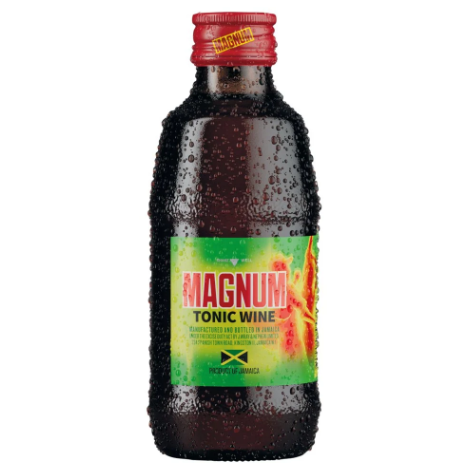
Tonic wine often surprises people who expect it to be light and gentle. Its sweet, syrupy taste can hide how strong it is, which makes the label worth checking. The name is simply traditional for a style of fortified wine, and it does not suggest any medicinal benefit. The magnum alcohol percentage is therefore one of the first details drinkers should understand, especially in a compact 200ml bottle that is easy to underestimate. This guide covers the figure itself, the flavour, the heritage, and responsible serving. Together, these points help readers make informed choices about this Jamaican fortified tonic wine.
What ABV Means
ABV stands for alcohol by volume, and it shows how much of a drink is pure alcohol. The magnum alcohol percentage is 16.5% ABV, which makes this fortified tonic wine notably strong compared with standard table wine. Fortification is the reason: fortified wines have extra alcohol added during production, which gives a firmer, warmer character than a regular bottle.
Working Out Units in 200ml
A small bottle can contain more alcohol than it appears to. In the UK, units are calculated by multiplying the volume in millilitres by the ABV and dividing by 1,000. For a 200ml bottle at 16.5%, that works out to 3.3 units in a single serving. Because the bottle is a compact, single-serve size, it is easy to finish quickly, so keeping an eye on the total matters, especially when sharing or mixing with other drinks.
Recipe and Heritage
Magnum is made to an original Jamaican recipe and includes an added formula providing iron, minerals, and vitamin B6. It first arrived in Jamaica’s dancehall scene in 1999 and has stayed culturally relevant there ever since. Over time, it has become just as recognisable in UK rap and drill culture as in its country of origin. That profile explains why the drink is often discussed, yet its strength deserves equal attention.
Flavour, Colour, and Aroma
Strength is only part of the story. Magnum pours a deep, rich red, with a clear, glossy appearance. The aroma leads with sweet cherry, followed closely by herbal hints and a warming bouquet. On the palate, a mellow, syrupy sweetness gives way to robust cherry flavour with herbal undertones throughout. The finish is smooth and lingering, with sweetness remaining and a warming feel overall. This sweetness is one reason the alcohol can be easy to overlook.
Tonic Wine Versus Table Wine
Tonic wine and standard table wine are quite different styles. Table wine is lighter in strength, while this fortified tonic wine delivers a bold, warming kick alongside syrupy sweetness. The Jamaican recipe, the cherry and herbal character, and the compact bottle all set it apart. Comparing labels is the simplest way to see the difference, because the ABV figure shows at a glance how much stronger one drink is than another.
Serving and Storage
Magnum is usually enjoyed straight from the bottle at room temperature, although it can also serve as a base for simple cocktails. It is often shared among friends at social gatherings and parties. Store the bottle upright at room temperature until ready to drink. Product packaging, bottle design, and availability may vary, so it is sensible to read the label and product information carefully before drinking.
Drinking Responsibly
Knowing the magnum alcohol percentage helps drinkers pace themselves and avoid underestimating a small bottle. Alcohol can only be bought by people aged 18 or over, and age verification may be required on delivery.
Conclusion
Understanding strength is the first step towards enjoying any drink sensibly. With a 16.5% ABV, a flavour built on cherry and herbal notes, and a strong cultural heritage, this tonic wine is best treated with respect. At R&V Drinks, we sell Magnum Tonic Wine, so explore our 200ml bottle today and order online with ease.