
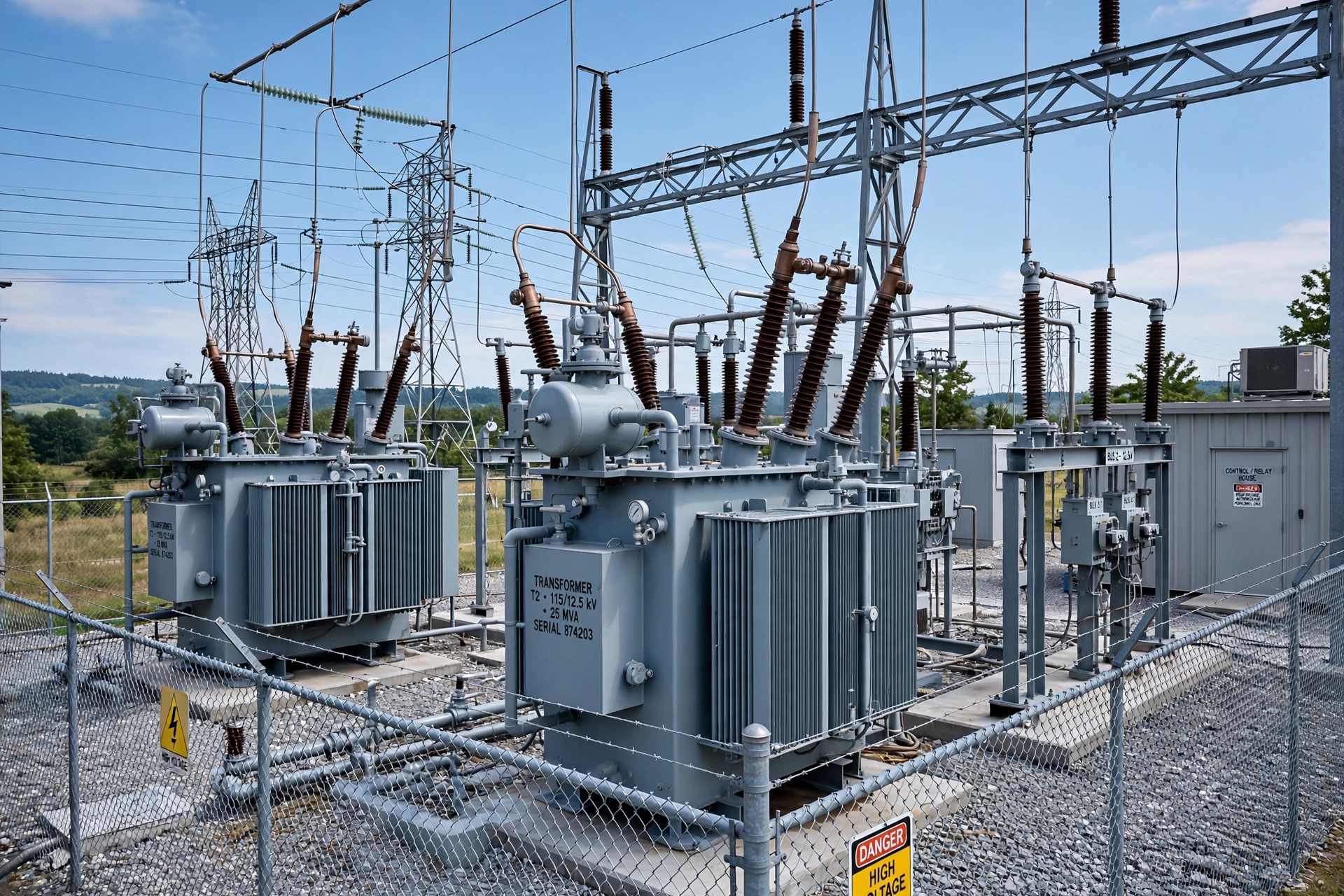
Transformers Market Overview & Growth Horizon
The global Transformers Market is set for significant expansion over the next decade, growing from US$ 68.52 Billion in 2025 to US$ 120.67 Billion by 2034. This steady trajectory represents a Compound Annual Growth Rate (CAGR) of 6.49% during the forecast period of 2026–2034.
Transformers are essential electrical devices that transfer electrical energy between two or more circuits using electromagnetic induction. By altering voltage levels while preserving a constant frequency, transformers make long-distance power transmission safe, efficient, and reliable. Step-up transformers elevate voltage at generation sites to minimize energy loss over long transmission lines, while step-down transformers lower voltage levels for safe utilization in industrial facilities, commercial centers, and residential neighborhoods.
With global electricity demand reaching historical highs—driven by population growth, rapid urbanization, industrial expansion, and the accelerated transition toward renewable energy sources—transformers have become indispensable components of modern energy infrastructure.
Download Free Sample Report:https://www.renub.com/request-sample-page.php?gturl=transformer-market-p.php
Primary Drivers Accelerating the Global Transformers Market
1. Rapid Urbanization and Surging Electricity Demand
Over 50% of the global population currently resides in urban centers, with cities generating roughly 80% of global GDP. Projections indicate that by 2050, 7 out of 10 people worldwide will live in urban areas. This massive shift toward urban living requires heavy expansion and reinforcement of municipal power distribution networks. As high-rise residential complexes, commercial office buildings, and industrial parks multiply, demand for efficient voltage regulation through transformers continues to rise sharply.
2. Large-Scale Integration of Renewable Energy Sources
The global transition toward sustainable power generation—specifically utility-scale solar farms, onshore wind parks, and offshore wind installations—is a primary growth catalyst. Renewable power generation sites are often situated in remote geographic locations, far from urban consumption centers. High-capacity transformers are critical for stepping up voltage to transmit clean electricity across vast transmission grids with minimal line loss. Furthermore, the development of hybrid grid infrastructure requires advanced transformer systems capable of managing bidirectional power flow and variable generation inputs.
3. Grid Modernization and Smart Grid Deployment
Aging electrical grids in mature markets are undergoing extensive overhaul and digital modernization to enhance operational efficiency, grid resilience, and fault detection. Governments and power utilities worldwide are investing heavily in smart grids that incorporate real-time monitoring, digital control systems, and high-efficiency transformers. These intelligent systems allow utilities to balance power loads dynamically, accommodate peak demand spikes, and lower operational downtime.
Key Industry Challenges & Structural Constraints
Despite strong demand drivers, market stakeholders navigate several structural hurdles that influence project timelines and profit margins:
High Capital Expenditure and Maintenance Costs
High-voltage power transformers and digitally integrated smart transformers require substantial upfront financial investments for manufacturing, logistics, civil installation, and grid integration. In developing nations with tight municipal budgets, high capital costs can delay scheduled grid modernization projects. Furthermore, maintaining aging transformer fleets across remote geographies involves ongoing operational expenditures.
Raw Material Price Volatility and Supply Chain Constraints
Transformer manufacturing relies heavily on key raw materials, including copper conductors, grain-oriented electrical steel (GOES), and specialized insulating oils. Fluctuations in commodity pricing directly affect manufacturing margins and final product pricing. Additionally, supply chain bottlenecks or long lead times for high-grade electrical steel can delay project execution for utility operators.
Comprehensive Segment Analysis
By Power Rating: Large, Medium, and Small Transformers
- Large Transformers: Critical for power generation facilities and high-voltage transmission networks, large power transformers facilitate long-distance energy transport across state and national grids. Their deployment is surging alongside utility-scale renewable energy installations.
- Medium Transformers: Widely deployed across regional distribution sub-stations, industrial facilities, and commercial complexes, medium transformers step down transmission voltages for localized distribution networks.
- Small Transformers: Operating at lower voltage capacities, small distribution transformers supply final-stage electrical power directly to residential neighborhoods, commercial buildings, and light manufacturing plants.
By Cooling Type: Air-Cooled vs. Oil-Cooled Systems
- Air-Cooled (Dry-Type) Transformers: Utilizing ambient air for thermal dissipation, dry-type transformers eliminate oil leakage risks and significantly reduce fire hazards. They are the preferred choice for indoor installations, hospitals, commercial high-rises, and environmentally sensitive areas where low maintenance and high safety standards are mandatory.
- Oil-Cooled Transformers: Utilizing dielectric mineral or ester oils for cooling and electrical insulation, oil-cooled units dominate high-voltage, outdoor utility environments where maximum heat dissipation efficiency is required.
By Transformer Type: Power vs. Distribution Transformers
- Power Transformers: Designed to operate at high voltage levels in transmission networks, power transformers connect power generation plants directly to main transmission grids, maintaining grid stability across long distances.
- Distribution Transformers: Functioning at lower voltage ranges, distribution transformers perform the final step-down conversion required to deliver usable electricity to residential, commercial, and light-industrial end-users.
By Phase Configuration: Three-Phase vs. Single-Phase
- Three-Phase Transformers: Dominating the industrial, commercial, and high-voltage distribution sectors, three-phase transformers handle large electrical loads efficiently and distribute power evenly across commercial networks.
- Single-Phase Transformers: Primarily utilized in suburban and rural residential distribution networks where electrical load demands are lower and less complex.
Key Regional Market Highlights
United States: Grid Infrastructure Upgrades and Renewable Expansion
The United States represents a mature yet dynamic market driven by widespread grid modernization efforts, the retirement of legacy power facilities, and rapid expansion in solar and wind power installations. Massive capital investments are being directed toward upgrading aging transmission corridors, integrating utility-scale renewable projects, and enhancing supply chain capacity for domestic transformer manufacturing.
United Kingdom: Offshore Wind Integration and Clean Energy Transition
The United Kingdom transformer market is expanding steadily, aligned with national net-zero carbon reduction goals. The aggressive expansion of offshore wind farms along the UK coastline requires specialized high-voltage transformers and digital monitoring platforms to manage variable power inputs and maintain grid stability across national sub-stations.
India: Rural Electrification and Infrastructure Boom
India is one of the fastest-growing transformer markets globally, supported by government-backed electrification initiatives, rapid urban infrastructure development, and expanding industrial production. The rapid expansion of solar power parks and heavy investments in regional distribution networks continue to generate strong, sustained demand for both power and distribution transformers.
Saudi Arabia: Vision 2030 Infrastructure Transformation
As part of its Vision 2030 economic diversification strategy, Saudi Arabia is investing heavily in utility infrastructure, large-scale commercial developments, and mega-energy projects. The integration of massive solar projects alongside industrial expansion across the country is driving substantial procurement of high-voltage transmission equipment.
Global Market Segmentation Summary
By Power Rating
- Large Power Transformers
- Medium Power Transformers
- Small Power Transformers
By Cooling Type
- Air-Cooled (Dry-Type)
- Oil-Cooled
By Transformer Type
- Power Transformers
- Distribution Transformers
- Instrument & Isolation Transformers
By Phase
- Three Phase
- Single Phase
Regional Coverage
- North America: United States, Canada
- Europe: United Kingdom, France, Germany, Italy, Spain, Belgium, Netherlands, Turkey
- Asia-Pacific: China, Japan, India, Australia, South Korea, Thailand, Malaysia, Indonesia, New Zealand
- Latin America: Brazil, Mexico, Argentina
- Middle East & Africa: Saudi Arabia, United Arab Emirates, South Africa
Prominent Global Market Players
- Siemens AG
- ABB Ltd
- General Electric Company
- CG Power and Industrial Solutions Ltd
- Hyundai Electric & Energy Systems Co. Ltd
- Toshiba Corporation
- Hyosung Corporation
- Bharat Heavy Electricals Limited (BHEL)
Frequently Asked Questions (FAQs)
1. What is the projected market size and growth rate for the global transformers market?
The global transformers market is projected to grow from US$ 68.52 Billion in 2025 to US$ 120.67 Billion by 2034, reflecting a CAGR of 6.49% between 2026 and 2034.
2. What are the main factors driving growth in the transformers market?
Market growth is primarily driven by rising global electricity consumption, rapid urbanization, extensive grid modernization programs, and the continuous integration of large-scale renewable energy projects (solar and wind) into power grids.
3. What is the fundamental difference between a power transformer and a distribution transformer?
Power transformers operate at high voltage levels within transmission networks to transport electricity efficiently over long distances. Distribution transformers step down higher voltages to safe, low-voltage levels for direct consumption by residential, commercial, and industrial end-users.
4. Why are air-cooled (dry-type) transformers gaining market share?
Air-cooled transformers utilize ambient air rather than oil for cooling, eliminating the risk of toxic oil spills and significantly reducing fire hazards. This makes them ideal for indoor installations, commercial high-rises, hospitals, and urban locations with strict environmental and safety regulations.
5. How does renewable energy adoption impact transformer demand?
Renewable energy sites (solar and wind) are frequently located in remote regions, requiring step-up transformers to transmit electricity across long distances. Additionally, the variable nature of renewable power generation requires advanced, highly resilient transformers to maintain grid stability.
6. What key challenges face the transformer manufacturing sector?
Major challenges include fluctuating raw material prices (copper, electrical steel), high capital investment costs for high-voltage units, supply chain delays, and the complex engineering required to upgrade legacy grid systems.
7. Which regional markets show strong potential for transformer expansion?
North America and Europe demonstrate strong demand driven by grid replacement and smart grid technology adoption, while Asia-Pacific and the Middle East (e.g., India, Saudi Arabia) experience rapid growth due to urban infrastructure expansion, government electrification programs, and industrialization.