
Bathroom drainage pathways frequently collect hair, soap residue, and personal care products. These materials can combine and create stubborn obstructions. Installing suitable drain screens and removing visible debris regularly can help limit accumulation.
Outdoor Drainage Concerns
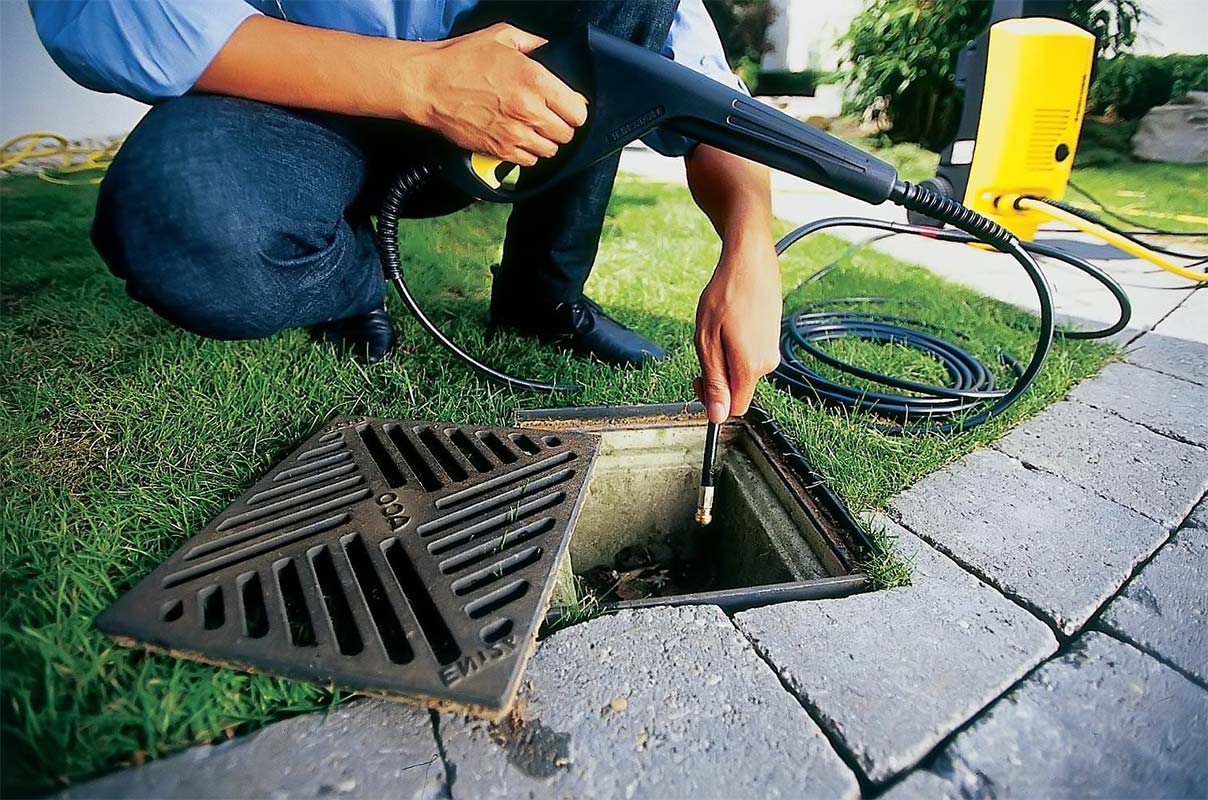
Outdoor drainage systems may become restricted by leaves, dirt, roots, and other environmental materials. Seasonal maintenance is useful because changing weather conditions can introduce additional debris.
Recurring outdoor drainage problems may require a more detailed inspection to identify whether the obstruction is located near the surface or deeper within the system.
Warning Signs That a Drain Needs Attention
Drainage problems often provide early warning signs before a complete blockage develops.
Common indicators include:
- Water draining more slowly than usual.
- Gurgling sounds after using a fixture.
- Unpleasant odors coming from drains.
- Water backing up into a sink or shower.
- Repeated blockages in the same location.
These symptoms should not automatically be treated as isolated problems. If several fixtures are affected simultaneously, the issue may involve a shared drainage line.
For homeowners experiencing these conditions, Drain cleaning services can help determine the cause and identify a suitable cleaning approach.
Professional Cleaning Methods
Different obstructions require different solutions. A method suitable for removing loose hair may not be effective against heavy grease buildup or a deeper obstruction.
Mechanical Cleaning
Mechanical equipment can help remove accumulated material from drainage pathways. Depending on the situation, a professional may use specialized tools designed to reach and break apart blockages.
Drain Inspection
When blockages return frequently, inspection equipment may help identify the location and condition of the affected section.
This is particularly useful when the obstruction is difficult to access or when there are signs of pipe damage.
Water-Based Cleaning
Certain systems use controlled water pressure to remove accumulated deposits. This method should only be used when appropriate for the pipe material and its condition.
A professional should evaluate the system before selecting this approach.
Why Repeated Blockages Should Not Be Ignored
A recurring blockage may indicate an underlying problem rather than simply a buildup of ordinary household materials.
Damaged pipe sections, poor drainage slopes, invasive roots, and deteriorating connections can all contribute to repeated restrictions.
In these situations, cleaning alone may provide only temporary relief.
A qualified professional can determine whether further investigation or repair is necessary. If the problem involves damaged connections, Pipe repair Services may be appropriate to restore the affected section.
Practical Habits That Support Better Drainage
Everyday habits can make a difference in how well drainage systems perform.
In kitchens, dispose of cooking grease separately and avoid washing large food scraps into the sink. In bathrooms, use appropriate screens to reduce hair entering drainage openings.
Homeowners should also avoid flushing products that are not designed to break down easily in water.
Routine attention is especially useful in properties with older plumbing systems or multiple occupants.
Selecting the Right Service Provider
Before arranging professional cleaning, explain the symptoms and how long they have been occurring.
Mention whether the problem affects one fixture or several areas of the property. This information can help the provider determine whether a localized blockage or a broader drainage issue is more likely.
Ask about the proposed method, estimated cost, and whether inspection is included. Also confirm whether additional charges may apply if the obstruction requires more extensive work.
For drainage systems connected to showers, Shower installation Services may also be relevant when a bathroom renovation or fixture replacement is being planned.
FAQs
1. What causes slow-draining sinks?
Common causes include grease, hair, soap residue, and other materials accumulating inside drainage pathways.
2. Are chemical drain cleaners always suitable?
No. Certain chemicals can damage some pipe materials and may create safety concerns. The correct approach depends on the obstruction and drainage system.
3. Why do blockages keep returning?
Recurring problems may indicate deeper accumulation, damaged pipes, or other underlying drainage issues.
4. Can homeowners prevent drainage problems?
Yes. Avoid disposing of grease and unsuitable materials through drains, use protective screens, and address early warning signs promptly.
Conclusion
Effective drainage supports the cleanliness and convenience of any property. Recognizing warning signs, adopting sensible household habits, and arranging appropriate maintenance can help reduce recurring problems. Professional Drain cleaning services can help address accumulated materials and identify conditions that may require further attention. A properly maintained drainage system makes everyday water use more convenient and helps protect the surrounding property.