
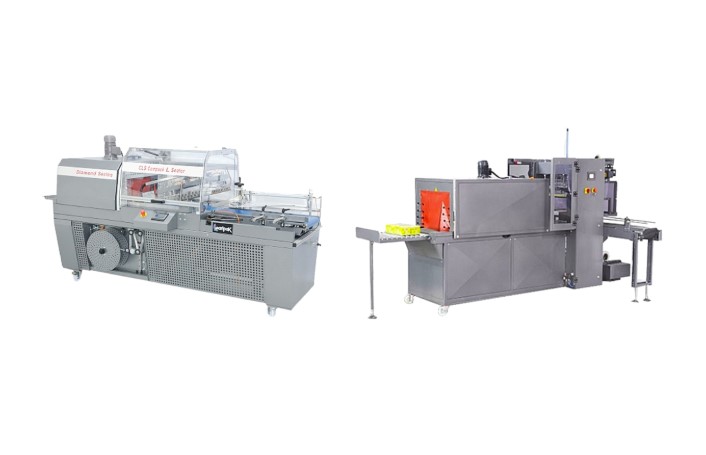
In modern industrial packaging, achieving a secure, professional, and uniform product wrap is essential for both protection and presentation. A shrink tunnel plays a critical role in this process by applying controlled heat to shrink film, ensuring it tightly conforms to the product surface. Unlike manual packaging methods, shrink tunnels are designed for precision, consistency, and high-volume output. They are commonly used alongside sealing units to create a complete automated packaging solution.
What is a Shrink Tunnel?
A shrink tunnel is a heat-based packaging machine that uses controlled temperature and airflow to shrink plastic film around a product. After the product is wrapped and sealed, it passes through the tunnel where heat causes the film to contract evenly. In advanced systems like the Diamond Series, these tunnels are engineered for fully automatic shrink performance, where maintaining consistent heat levels is essential for uniform packaging results.
How a Shrink Tunnel Works
The operation of a shrink tunnel involves several coordinated steps:
- The product is first wrapped in shrink film and sealed
- It is then transported via a conveyor belt into the tunnel
- Heat is applied using embedded heating elements and circulating air
- The film shrinks tightly around the product as it exits
Key Components of a Shrink Tunnel
A high-performance shrink tunnel consists of several engineered components that ensure efficiency and accuracy.
1. Heat Chamber
The heat chamber generates controlled temperatures required for film shrinkage. Advanced models use embedded heating systems for even heat distribution.
2. Air Circulation System
Fans circulate hot air evenly throughout the chamber. Adjustable airflow ensures uniform shrink across all sides of the product.
3. Conveyor System
A motorized conveyor moves products through the tunnel at controlled speeds, allowing precise exposure time to heat.
4. Control Panel
Modern tunnels include digital or touchscreen controls for adjusting temperature, conveyor speed, and airflow.
Advanced Features in Modern Shrink Tunnels
High-end systems such as the Diamond Series include several technical enhancements that improve performance and efficiency.
Key features include:
- PID-controlled heat adjustment for precise temperature regulation
- Double-layer insulation to reduce energy consumption
- Adjustable airflow flaps for optimized heat distribution
- Conveyor speed control to manage shrink timing
- Automatic cooling systems to prevent overheating
Types of Shrink Tunnels
Shrink tunnels are available in different configurations depending on production needs.
Single Chamber Tunnels
These are compact and suitable for medium-scale operations. They provide consistent heat and are ideal for standard packaging requirements.
Double Chamber Tunnels
Designed for high-volume production, these systems offer enhanced heat control and faster throughput by using multiple heating zones.
Extended Length Tunnels
Used for larger products or higher production speeds, these tunnels provide longer heat exposure for uniform shrinkage.
Benefits of Using a Shrink Tunnel
Implementing a shrink tunnel in a packaging line offers several operational advantages:
- Consistent packaging quality with uniform film shrinkage
- Improved product protection against dust and moisture
- Higher production efficiency with automated processing
- Reduced labor requirements
- Enhanced product presentation for retail environments
These benefits make shrink tunnels a standard component in industries such as food processing, pharmaceuticals, and consumer goods manufacturing.
Integration with Packaging Lines
The overall process includes:
- Film wrapping and sealing
- Transfer to the shrink tunnel
- Heat shrink application
- Cooling and discharge
System performance depends on factors such as product size, film type, and sealer speed, which must be synchronized for optimal results.
Maintenance and Operational Considerations
To maintain efficiency and longevity, shrink tunnels require regular inspection and maintenance.
Key maintenance tasks include:
- Cleaning heating elements and airflow channels
- Checking conveyor alignment and speed calibration
- Monitoring temperature control systems
- Inspecting insulation and safety features
Conclusion
A shrink tunnel is a vital component in modern packaging systems, providing precise heat control and uniform shrink performance. Its ability to deliver consistent results makes it indispensable in automated packaging environments. When integrated with a complete automatic shrink wrap machine, it enhances efficiency, improves product protection, and ensures professional packaging quality across a wide range of industrial applications.