
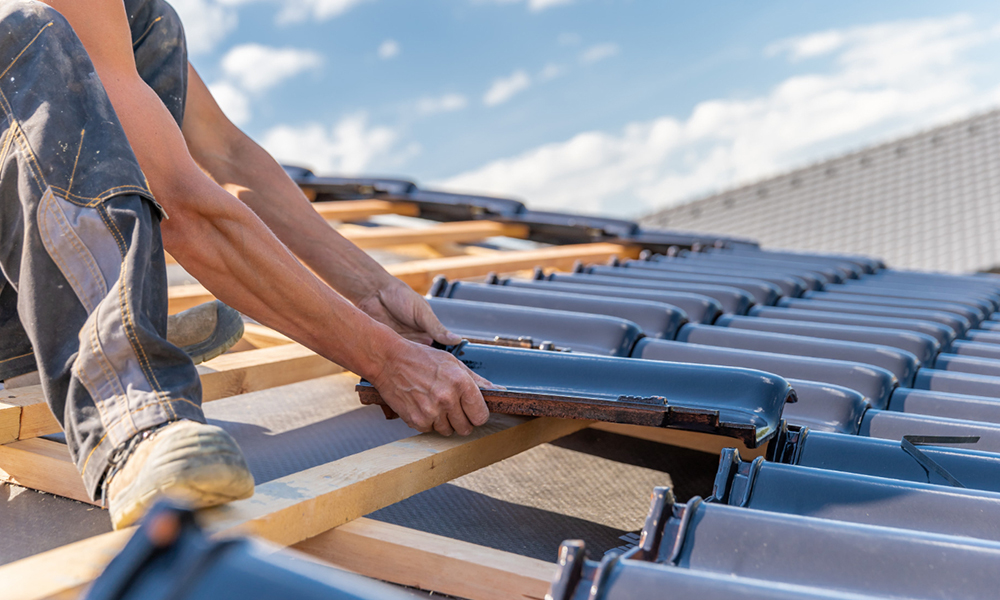
A roof is one of the most important components of a building because it protects the structure from rain, wind, sunlight, and changing weather conditions. A properly installed roof helps prevent water leaks, supports indoor comfort, and protects walls, ceilings, and other building materials. Roof Installation requires careful planning, suitable materials, and correct installation methods to create a dependable roofing system. Whether constructing a new home or developing a commercial property, property owners should understand their roofing requirements before starting a project. Good installation practices can also reduce future maintenance problems and support the building’s long-term condition.
Choosing Suitable Roofing Materials
Selecting the right roofing material is an important part of any roofing project. Asphalt shingles are commonly used on residential properties because they are available in different styles and colors. Metal roofing offers another option for buildings that require durable panels and a distinctive appearance. Clay and concrete tiles are suitable for certain architectural designs, while flat roofs may use waterproofing membranes such as TPO, EPDM, or PVC. The choice depends on roof design, structural requirements, climate, and budget. A successful Roof Installation project begins with selecting materials that suit the building and its expected maintenance needs.
Preparing the Roof Structure
Why Proper Preparation Matters
Before new roofing materials are installed, the supporting structure should be examined carefully. Roof framing and decking must be suitable for the selected roofing system and its weight. Any damaged or weakened sections should be addressed before construction continues. The surface should also be prepared according to the material manufacturer’s requirements. Underlayment, flashing, and protective edge components may be needed to support the roofing system. Proper preparation during Roof Installation in Bronx helps reduce common construction problems and creates a suitable foundation for the new roof.
Understanding the Roof Installation Process
The installation process varies depending on the selected material and building design. In many projects, the work begins with preparing the roof deck and installing underlayment. Roofing materials are then positioned and secured using suitable fastening methods. Special attention is required around roof valleys, edges, chimneys, vents, and other openings because these areas can be vulnerable to water entry. Flashing and waterproofing components must be installed correctly to support the roof’s protective function. Careful Roof Installation helps ensure that different roofing components work together and provide suitable protection against environmental exposure.
Residential Roof Installation
Residential roofing projects require materials and installation methods that suit the home’s structure and appearance. Homeowners may need a new roof during construction or when an existing roofing system becomes damaged or reaches the end of its useful life. The roof’s slope, design, drainage arrangements, and ventilation requirements should all be considered before selecting materials. Asphalt shingles, metal panels, and roofing tiles are common options for different home designs. Proper Roof Installation helps protect household belongings, maintain comfortable indoor conditions, and support the overall appearance of the property.
Commercial Roof Installation
Commercial buildings often require specialized roofing systems because they may have large surfaces, flat designs, rooftop equipment, and different drainage requirements. Offices, warehouses, retail properties, and industrial facilities may use single-ply membranes, modified bitumen, built-up roofing, or metal panels. Each system has specific installation requirements that must be considered during project planning. Commercial Roof Installation should account for waterproofing, insulation, drainage, and building operations. Careful planning helps create a roofing system that suits the property’s structure and supports its daily use.
Roof Ventilation and Drainage Planning
Proper ventilation and drainage are important for maintaining roof performance. Ventilation helps manage heat and moisture in attic spaces, while drainage systems direct rainwater away from the building. Gutters, downspouts, roof drains, and flashing should be considered during the design process. Poor drainage can lead to standing water, moisture problems, and damage to roofing materials. During Roof Installation, these components should be planned according to the roof’s design and local environmental conditions. Suitable ventilation and drainage can also help protect the supporting structure and maintain indoor comfort.
Weather Protection and Roof Durability
A roof must withstand different environmental conditions throughout the year. Strong winds, heavy rainfall, sunlight, and temperature changes can affect roofing materials and their supporting components. Selecting suitable products and following correct installation methods helps reduce the risk of weather-related damage. Flashing, fastening systems, waterproofing layers, and roof edges require particular attention. A carefully completed Roof Installation project considers these details to create a roof that performs according to its intended design. Property owners should also understand the maintenance requirements of their selected materials.
Inspecting the Roof After Installation
Once the roofing work is complete, an inspection helps confirm that the materials and components have been installed properly. The inspection may include checking seams, flashing, fasteners, roof edges, drainage areas, and visible surface conditions. Any concerns should be addressed before the project is considered complete. Property owners should also keep available product information, installation records, and warranty documents for future reference. A final inspection following Roof Installation helps identify potential issues early and provides a useful starting point for future roof maintenance.
Maintaining a Newly Installed Roof
Even a newly installed roof needs regular attention to maintain its condition. Property owners should keep gutters clear, monitor visible roofing materials, and arrange inspections after severe weather when necessary. Loose components, damaged flashing, blocked drains, and signs of moisture should be addressed promptly. Following manufacturer maintenance recommendations can also help preserve the roofing materials. Proper Roof Installation, combined with routine care, supports long-term building protection and reduces avoidable repair concerns. By planning carefully and maintaining the roof regularly, property owners can protect their investment and keep their buildings in good condition.