
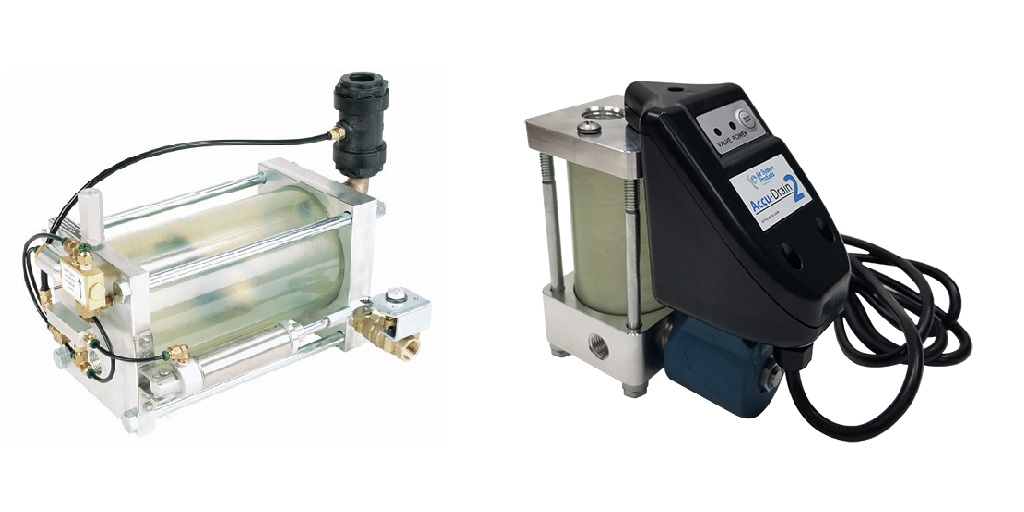
Industrial robotics has changed the pace of modern manufacturing. Automated cells can pick, place, sort, assemble, and package products with remarkable consistency. Yet many robotic operations still rely on one thing that rarely receives much attention: a reliable compressed-air system.
That dependency creates a challenge. Every compressed air system generates moisture. As air moves through compressors, receivers, filters, and dryers, water accumulates throughout the network. If facilities fail to remove condensate effectively, robotic equipment can experience performance issues, leading to downtime and maintenance headaches. Robotics facilities that prioritize uptime often install zero-loss drain valves at key collection points throughout the compressed air network.
The Parts of Robotics That Depend on Air
Most people think of robots as electric machines, but compressed air plays a major role throughout automated facilities.
Pneumatic grippers, vacuum generators, tool changers, actuators, and packaging equipment often work alongside robotic arms. These components require clean, dry air to perform consistently during every production cycle.
When moisture enters the system, operators may notice slower response times, sticking valves, inconsistent gripping force, or premature wear on pneumatic components. A problem that begins with a small amount of accumulated water can eventually affect an entire production line.
Moisture Builds Faster Than Most Facilities Expect
A busy manufacturing facility can generate significant amounts of condensate every day. The harder a compressor works, the more water enters the system.
That moisture collects in several locations, including:
- Air receivers
- Filters and dryers
- Distribution piping
- Low points in air lines
- Equipment connected to the system
Without a dependable condensate drain, water remains trapped inside the network. Over time, that creates conditions that can impact both equipment reliability and overall air quality.
Facilities use an air compressor drain or various types of drain traps to remove accumulated water. The effectiveness of those solutions often depends on how well they manage condensate without wasting compressed air.
Why Air Loss Becomes an Expensive Problem
Traditional timer-operated drains open on a schedule whether condensate is present or not. Every unnecessary discharge releases compressed air that required energy to produce.
In a robotics facility running multiple shifts, those losses can add up quickly. Compressors work harder to replace the wasted air, increasing operating costs and placing additional demand on the system.
A properly selected automatic drain valve helps remove water while supporting overall system efficiency. Operations teams focused on energy savings usually begin with a simple question: where is our compressed air going?
That difference is why many facilities replace timer drains with a zero-loss drain valve. It drains condensate only when needed, helping facilities prevent air loss while maintaining effective moisture removal.
Small Components Can Influence Production Reliability
Maintenance teams often spend considerable time troubleshooting moisture symptoms rather than the source.
Robotic manufacturing cells depend on consistency. A pneumatic gripper that hesitates for a fraction of a second may not seem significant, but repeated interruptions can affect throughput, product handling, and production schedules.
A zero-loss drain valve helps maintain a healthier compressed air environment by removing condensate before it causes larger issues. Combined with dryers, filtration equipment, and routine maintenance, it contributes to stable system performance throughout the facility.
Keeping Robotics Systems Running Efficiently
Manufacturers invest heavily in automation because reliability matters. Every component connected to a robotic production line contributes to that goal, including the equipment responsible for condensate management.
When facilities evaluate ways to improve uptime, reduce maintenance demands, support better air quality, and capture meaningful energy savings, moisture control deserves a place in the conversation. A well-designed condensate removal strategy often starts with the right zero-loss drain valve and a commitment to keeping compressed air systems operating at their best.
For facilities looking to improve condensate management and compressed-air efficiency in robotics applications, Air & Vacuum Process INC offers solutions that help manufacturers get more value from every zero-loss drain valve installation.
For more information about 50 Gallon Air Compressor and Automatic Drain Valves Please visit: Air & Vacuum Process Inc.