
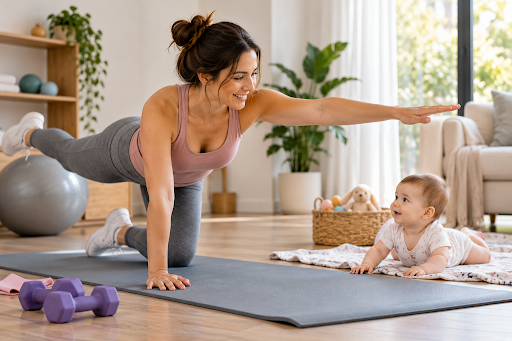
Pregnancy and childbirth bring significant physical changes that can affect strength, balance, posture, and everyday movement. After delivery, many new mothers want to return to exercise, whether their goal is to rebuild strength, improve energy, or feel more comfortable during daily activities. However, recovery varies from person to person, making a gradual and individualized approach important.
A well-planned post natal exercise program can help new mothers restore physical function while respecting the body’s healing process. Rather than focusing on rapid weight loss or returning immediately to previous fitness levels, postpartum exercise should prioritize recovery, gradual progression, and confidence in movement. Understanding when to begin, which activities to choose, and what symptoms to monitor can make the process safer and more manageable.
Understanding the Body After Childbirth
During pregnancy, the abdominal muscles stretch, the pelvic floor supports additional pressure, and changes in posture can influence how the body distributes weight. Childbirth may place further demands on these tissues, particularly following a vaginal delivery or caesarean section.
Hormonal changes can also affect joint stability during the postpartum period. Meanwhile, interrupted sleep, feeding schedules, and the physical demands of caring for a newborn may influence energy levels and exercise tolerance.
When Is It Safe to Resume Exercise?
There is no single timeline that suits every new mother. Gentle movement, such as short walks and comfortable breathing exercises, may be appropriate early in recovery when there are no complications and the healthcare provider has not advised otherwise.
More demanding exercise should be introduced according to healing, symptoms, and professional guidance. After a caesarean section, significant perineal injury, or complicated delivery, additional assessment may be necessary before progressing.
Warning signs should never be ignored. Increased vaginal bleeding, worsening pain, pelvic heaviness, urinary leakage, or a sensation of pressure or bulging in the vagina may indicate that an activity is too demanding or that further assessment is needed.
Building Strength Through Gentle Movement
Early postpartum exercise often begins with activities that encourage comfortable movement and help reconnect with breathing and muscle control. Depending on recovery and professional advice, suitable starting activities may include:
- Breathing exercises: Gentle diaphragmatic breathing can support relaxation and coordination between the diaphragm and pelvic floor.
- Pelvic floor exercises: Appropriate contractions and complete relaxation can help restore pelvic floor function. Individual assessment is useful if exercises cause pain or are difficult to perform.
- Short walks: Brief, comfortable walks can gradually rebuild endurance without immediately placing high demands on the body.
- Gentle mobility: Comfortable movements for the hips, back, shoulders, and ankles can help address stiffness associated with feeding, carrying, and caring for a newborn.
These activities should feel manageable. If symptoms increase during exercise or persist afterward, reducing the intensity and seeking professional advice is sensible.
Progressing to More Challenging Activities
As healing progresses, strength and endurance can be developed through carefully selected resistance exercises, functional movements, and longer walks. A post natal exercise program should consider the demands of everyday life, including lifting a baby, carrying equipment, getting up from the floor, and maintaining comfortable feeding positions.
Progression can involve increasing repetitions, extending exercise duration, or introducing resistance one step at a time. Changing only one aspect at a time makes it easier to recognize whether the body is tolerating the additional workload.
The Importance of Individualized Guidance
Professional support can help identify movement limitations, assess pelvic floor concerns, and adapt exercises to a mother’s stage of recovery. A qualified physiotherapist may assess abdominal wall function, breathing patterns, strength, balance, and symptoms during everyday activities.
Individual guidance is particularly valuable for mothers experiencing persistent back or pelvic pain, urinary leakage, pelvic heaviness, or difficulty returning to exercise. Treatment and exercise recommendations should reflect the person’s symptoms, goals, delivery history, and medical advice rather than applying the same routine to everyone.
Conclusion
Postpartum recovery is a gradual process that benefits from patience, appropriate movement, and individualized exercise guidance. Paying attention to symptoms and progressing at a comfortable pace can support long-term strength and wellbeing.
Seeking professional advice through Leichhardt physiotherapy can help new mothers understand their recovery needs, address pelvic floor concerns, and work towards returning to physical activity with greater confidence.