
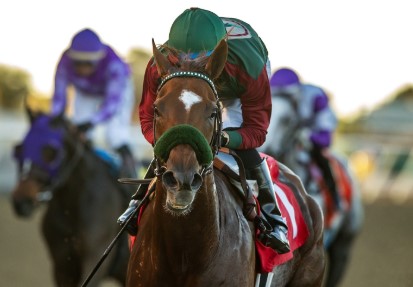
Thoroughbred breeding plays a significant role in shaping the quality, competitiveness, and future of horse racing. From pedigree selection to early development, every stage influences a young horse’s potential. Poonawalla Stud Farm has contributed to this industry through decades of breeding experience, bloodline development, and racing achievements. Established in Pune in 1946, the farm has grown from a modest breeding operation into a prominent name in Indian thoroughbred racing. Understanding its history and breeding approach offers valuable insight into how established stud farms contribute to the wider racing ecosystem.
The History and Growth of Poonawalla Stud Farm
Originally established as Poona Stud Farm by the late Soli A. Poonawalla, the establishment began with approximately twelve mares and one stallion, Fitz Clarence (GB). Its first crop produced Fitzcall, the winner of the Indian 2000 Guineas, marking an early milestone in its breeding history.
Over subsequent decades, the farm expanded its breeding operations and developed a reputation for producing competitive racehorses. Its progress reflects the importance of long-term breeding decisions, careful horse management, and consistent investment in bloodstock.
According to the farm’s official information, it has received 15 Champion Breeders’ Awards from the Turf Authorities of India. Its achievements demonstrate its longstanding contribution to the country’s racing and breeding industry.
Thoroughbred Breeding and Bloodline Selection
Successful thoroughbred breeding involves more than pairing two horses with impressive pedigrees. Breeders consider multiple factors, including racing performance, family history, conformation, temperament, soundness, and reproductive suitability.
Pedigree Analysis and Stallion Selection
A stallion’s racing record and breeding history can provide useful information when evaluating potential mating combinations. However, pedigree alone cannot guarantee racing success. Breeders assess how a stallion’s characteristics may complement a mare’s strengths and family background.
Genetic diversity, inherited health risks, and the long-term objectives of the breeding program also deserve attention. A considered selection process helps breeders make informed decisions while recognizing the natural uncertainty involved in producing future racehorses.
Broodmare Care and Foal Development
Broodmares require suitable nutrition, veterinary supervision, exercise, and reproductive management throughout the breeding cycle. Pregnancy monitoring and appropriate foaling arrangements help support mare and foal welfare.
After birth, foals benefit from early veterinary assessments, balanced nutrition, safe turnout, and opportunities for natural movement. As they mature, gradual handling and development programs help prepare young horses for future stages without placing unnecessary physical demands on growing bodies.
Facilities and Management Behind Breeding Operations
Stud farms require specialized facilities and experienced personnel to manage horses across different life stages. Paddocks, well-maintained stables, breeding areas, and dedicated foaling spaces support daily operations.
Poonawalla Stud Farms operates breeding and youngstock facilities in the Pune region, including Theur and Hadapsar. Its wider operations also include Poonawalla Kunigal Stud Farm in Karnataka.
Managing separate facilities can help organize breeding, early development, and youngstock care. Effective recordkeeping is equally important, covering pedigrees, breeding dates, veterinary treatments, foaling outcomes, identification, and ownership details. Accurate records strengthen traceability and support responsible breeding decisions.
Achievements and Contributions to Indian Horse Racing
Breeding farms contribute to racing by supplying horses for competitive events, supporting bloodstock development, and strengthening the industry’s breeding infrastructure. Poonawalla Stud Farms reports breeding winners of major races, including Indian Derby and Indian Classic contests.
The farm also supports the Poonawalla Breeders’ Multi-Million, a prominent juvenile race that helps highlight young racing talent. Such events connect breeders, owners, trainers, and racing enthusiasts while creating opportunities to evaluate emerging horses.
However, racing performance depends on several variables, including training, health, race conditions, and individual development. Breeding achievements should therefore be understood as part of a broader sporting ecosystem.
Conclusion
Thoroughbred breeding combines scientific assessment, practical experience, horse welfare, and long-term planning. The history illustrates how sustained breeding efforts can influence India’s racing landscape across generations. For readers following bloodlines, breeding developments, and racing achievements, Racebuzz provides a relevant platform for exploring horse racing information and industry stories. Understanding the work behind each racehorse adds perspective to the performances witnessed on the track.