
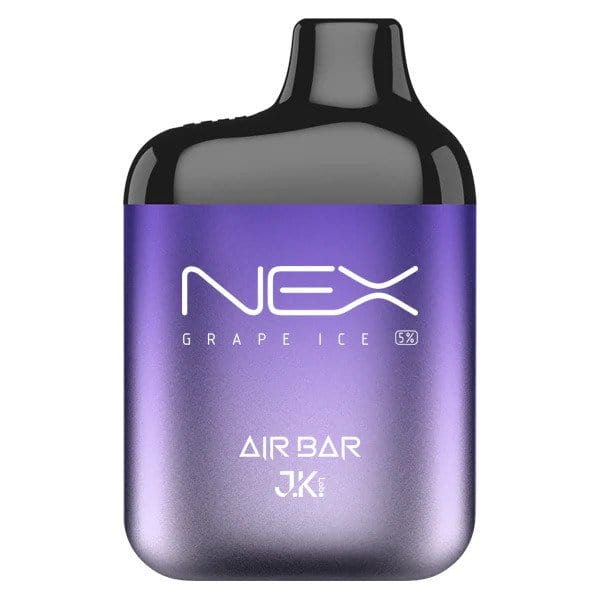
Disposable vape devices come in various designs, sizes, and configurations to suit different product preferences. The Nex Air Bar category provides a starting point for exploring this type of device, including its general design, construction, and features. When researching a specific model, understanding its specifications can help readers distinguish between available options and identify the details that matter most.
Product categories are useful because they organize related devices in one place. However, individual models may differ in their physical dimensions, battery configuration, liquid capacity, and operating mechanisms. Reviewing the information provided for each product is therefore essential before drawing comparisons.
Design and Construction
Disposable vape devices are generally designed as compact, self-contained units. Their construction typically combines an outer casing with internal electronic components, a heating element, and a liquid reservoir. This integrated design distinguishes disposable devices from larger vaping systems that use separate tanks or replaceable components.
The outer casing protects the internal assembly and gives the device its overall shape. Depending on the model, the body may feature a smooth finish, rounded edges, or a streamlined profile. Size and shape can influence how easily a device fits into a pocket or storage space.
Specific design details should always be confirmed through the manufacturer’s product description. Similar-looking devices do not necessarily share the same internal components or specifications.
Battery and Operating Mechanism
The battery is one of the main components of an electronic vape device. It supplies the energy needed to operate the heating element, which warms the liquid to produce an aerosol. Battery capacity and power requirements can vary between models, so these specifications should not be assumed to be identical across an entire product category.
Some disposable devices are designed for single-use operation, while others include rechargeable batteries. A rechargeable model may allow the battery to be replenished, but this does not automatically mean that the liquid reservoir is refillable.
Activation mechanisms can also vary. Certain devices activate when the user inhales, while other designs may incorporate different controls. Checking the instructions for the particular model provides a clearer understanding of its operation.
Understanding Product Specifications
Product specifications offer useful information when comparing devices within the same category. Several details deserve attention when reviewing individual listings.
Battery capacity: This describes the battery’s stated capacity and can help distinguish between models with different power configurations.
E-liquid capacity: This indicates the stated amount of liquid contained in a device. It should be checked against the specifications of the exact model rather than inferred from its appearance.
Puff-count estimates: Some products display an estimated number of puffs. These figures are estimates and should not be treated as guaranteed results because actual usage conditions vary.
Device dimensions: Measurements can help readers understand the physical size and general form of a particular product.
Available instructions: Product documentation can clarify activation, charging requirements, storage, and other model-specific operating details.
Comparing Models Within the Category
When exploring the Nex Air Bar category, readers should examine each available listing separately. Product names, photographs, and descriptions can help identify individual models, but the accompanying specifications provide the most useful basis for comparison.
A practical comparison begins with the model name and its stated features. Readers can then review dimensions, battery information, liquid capacity, and any operating instructions supplied with the product. If a specification is missing or unclear, it is better to verify the information than to assume that another model has the same characteristics.
It is also useful to distinguish between confirmed specifications and general descriptions. Terms describing appearance or convenience may communicate design intent, but they do not replace measurable product details.
Conclusion
Understanding disposable vape products involves looking beyond their exterior design and examining their construction, operating mechanisms, and stated specifications. Battery capacity, liquid volume, dimensions, and activation methods can vary between individual models, making product-specific information especially important. When exploring options through Zmarksthespot, readers can use the available category listings to review product details, compare documented features, and identify the specifications relevant to each device.