
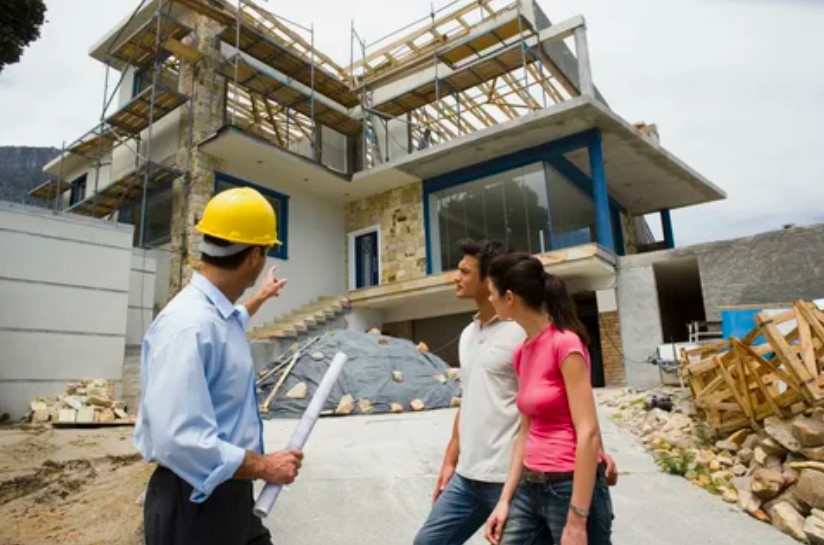
Building a house from the ground up is one of the most exciting investments a person can make. New home construction gives homeowners the opportunity to create a living space that matches their lifestyle, preferences, and future needs. Unlike purchasing an older property, a newly built home offers modern designs, energy-efficient features, and fewer maintenance concerns.
As the real estate market continues to evolve, many families and investors are choosing new home construction because it provides customization, improved technology, and long-term value. Whether you are planning your first home or upgrading to a larger property, understanding the process of building a new home can help you make informed decisions and avoid costly mistakes.
What Is New Home Construction?
New home construction refers to the process of building a residential property from the ground up rather than purchasing a pre-owned house. This process involves several stages, including planning, designing, obtaining permits, construction, inspections, and final completion.
Homebuyers typically work with builders, architects, contractors, and interior designers to create a home that fits their budget and personal style. Depending on the project, buyers may choose from custom homes, semi-custom homes, or production homes.
Types of New Home Construction
1. Custom Homes
Custom homes are fully personalized properties designed according to the homeowner’s specifications. Buyers have complete control over the layout, materials, finishes, and architectural style.
2. Semi-Custom Homes
Semi-custom homes offer flexibility while using pre-designed floor plans. Buyers can modify certain features, such as kitchen layouts, flooring, or paint colors.
3. Production Homes
Production homes are built in large communities using standardized designs. They are generally more affordable and completed faster than custom-built homes.
Benefits of New Home Construction
Energy Efficiency
Modern homes are built with advanced insulation, energy-efficient windows, smart thermostats, and eco-friendly appliances. These features help reduce utility bills and lower environmental impact.
Lower Maintenance Costs
Older homes often require repairs for plumbing, roofing, electrical systems, and heating units. In contrast, new home construction typically includes brand-new materials and systems that require less maintenance.
Personalization Options
One of the biggest advantages of building a new home is the ability to customize the property. Homeowners can select floor plans, countertops, cabinetry, flooring, lighting, and exterior designs.
Modern Technology Integration
Newly built homes often include smart home technology such as security systems, automated lighting, voice-controlled devices, and high-speed internet wiring.
Better Safety Standards
New construction homes must comply with current building codes and safety regulations. This means improved electrical systems, stronger structural integrity, and better fire protection.
Steps Involved in New Home Construction
Planning and Budgeting
The first step in building a home is determining your budget and identifying your priorities. Buyers should consider construction costs, land prices, permits, taxes, and interior finishes.
Choosing the Right Location
Location plays a major role in property value and lifestyle. Buyers should evaluate school districts, transportation access, neighborhood amenities, and future development plans.
Hiring a Builder
Selecting an experienced builder is critical for a successful project. Researching reviews, checking licenses, and viewing previous projects can help ensure quality workmanship.
Designing the Home
During the design phase, homeowners work with architects and designers to create floor plans and choose materials. This stage includes decisions about room sizes, storage space, kitchens, bathrooms, and outdoor areas.
Obtaining Permits
Before construction begins, builders must obtain permits from local authorities. These permits ensure the project follows zoning laws and building regulations.
Construction Phase
The construction process usually begins with site preparation and foundation work. Afterward, framing, roofing, plumbing, electrical installation, insulation, and interior finishing are completed.
Final Inspection and Move-In
Once construction is complete, inspectors review the property to ensure it meets safety standards. After approval, homeowners receive the keys and can move into their new home.
Important Factors to Consider
Budget Management
Unexpected costs can arise during construction. Setting aside a contingency fund can help cover changes or delays.
Construction Timeline
Weather conditions, labor shortages, and material availability may affect the construction schedule. Buyers should maintain realistic expectations regarding completion dates.
Quality Materials
Using durable and high-quality materials can increase the lifespan and value of the property.
Future Resale Value
Even if you plan to stay in the home long-term, considering resale value is important. Features like open floor plans, energy efficiency, and modern kitchens can attract future buyers.
Trends in New Home Construction
Sustainable Building Practices
Eco-friendly construction is becoming increasingly popular. Builders now use sustainable materials, solar panels, and water-saving fixtures to reduce environmental impact.
Smart Homes
Technology continues to transform residential construction. Smart locks, automated climate control, and integrated security systems are common features in modern homes.
Open Concept Living
Many homeowners prefer open floor plans that combine kitchens, dining rooms, and living spaces into one large area.
Multi-Functional Spaces
Remote work has increased demand for home offices, study rooms, and flexible living spaces.
Common Challenges in New Home Construction
While building a home offers many advantages, it also comes with challenges. Delays in permits, rising material costs, and communication issues with contractors can create stress during the project. Working with reputable professionals and maintaining regular communication can help minimize problems.
Another common issue is decision fatigue. Homeowners often need to make countless choices regarding materials, layouts, and finishes. Staying organized and prioritizing important features can simplify the process.
FAQs About New Home Construction
1. How long does new home construction take?
The timeline depends on the size and complexity of the project. On average, building a new home can take anywhere from 6 to 12 months.
2. Is new home construction more expensive than buying an existing home?
In many cases, new construction can cost more initially, but it may save money over time through reduced maintenance and energy costs.
3. Can I customize my new home design?
Yes, most builders offer customization options, especially for custom and semi-custom homes.
4. What should I look for in a home builder?
You should check the builder’s experience, licenses, reviews, warranties, and previous construction projects.
5. Are new construction homes energy efficient?
Yes, modern construction standards focus heavily on energy efficiency through better insulation, windows, and appliances.
Conclusion
New home construction provides homeowners with the opportunity to create a modern, efficient, and personalized living space. From selecting the perfect location to designing a dream layout, building a Porch construction can be a rewarding experience when planned carefully. Although the process may involve challenges, the long-term benefits often outweigh the difficulties. Lower maintenance costs, improved energy efficiency, modern technology, and customization options make new construction an attractive choice for today’s homebuyers.